Banner

Supportive Care for Every Step of Your Oral Cancer Treatment

From your first decision to your final treatment session, experience care that considers your physical comfort, nutrition, emotional wellbeing and ongoing oncology plan.

Book a Consultation

About

About Oral Cancer

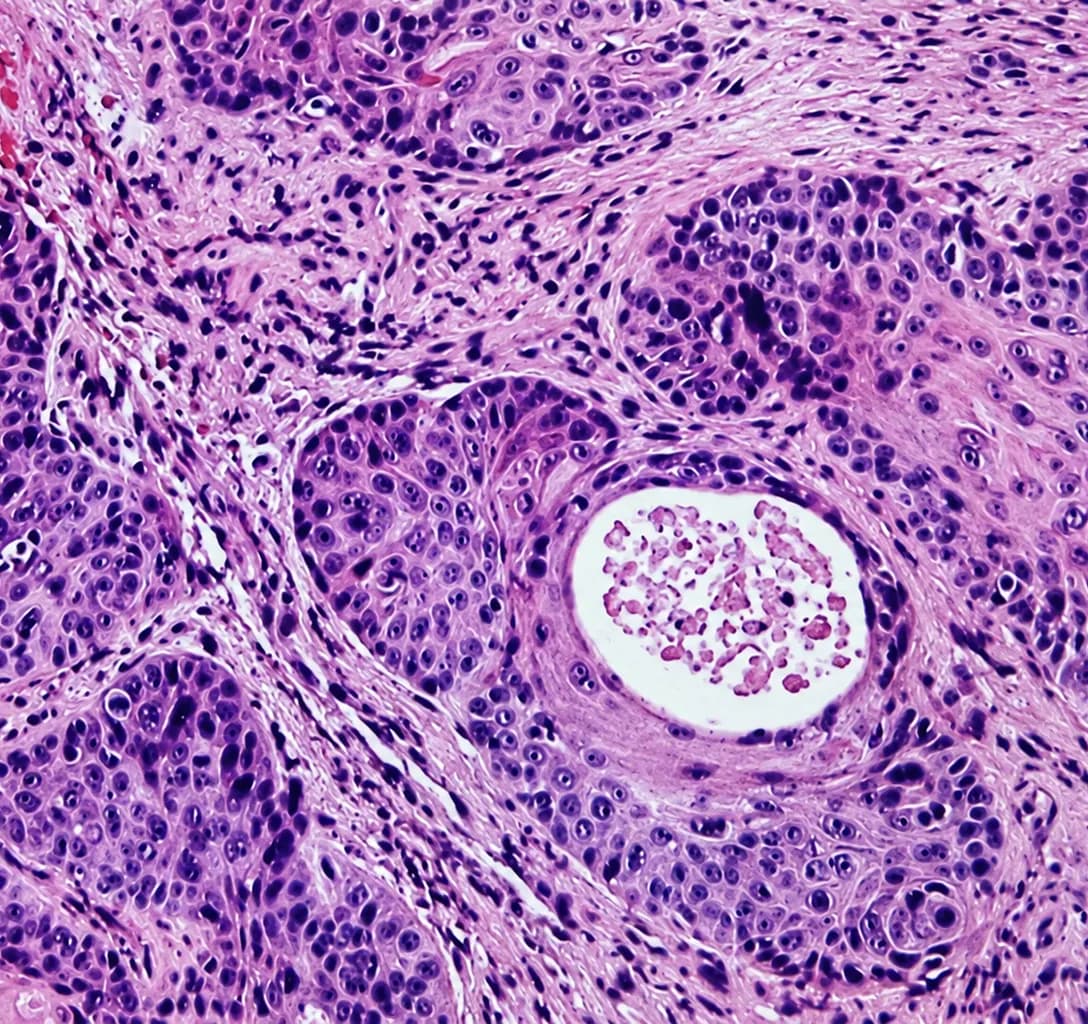
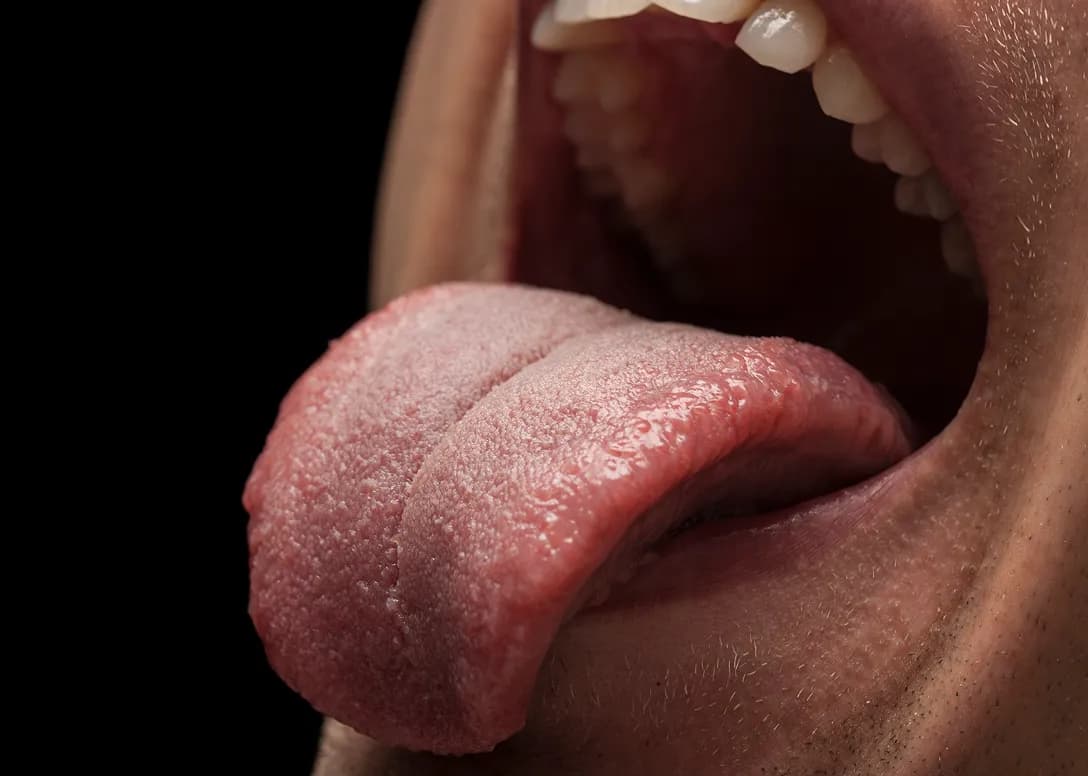
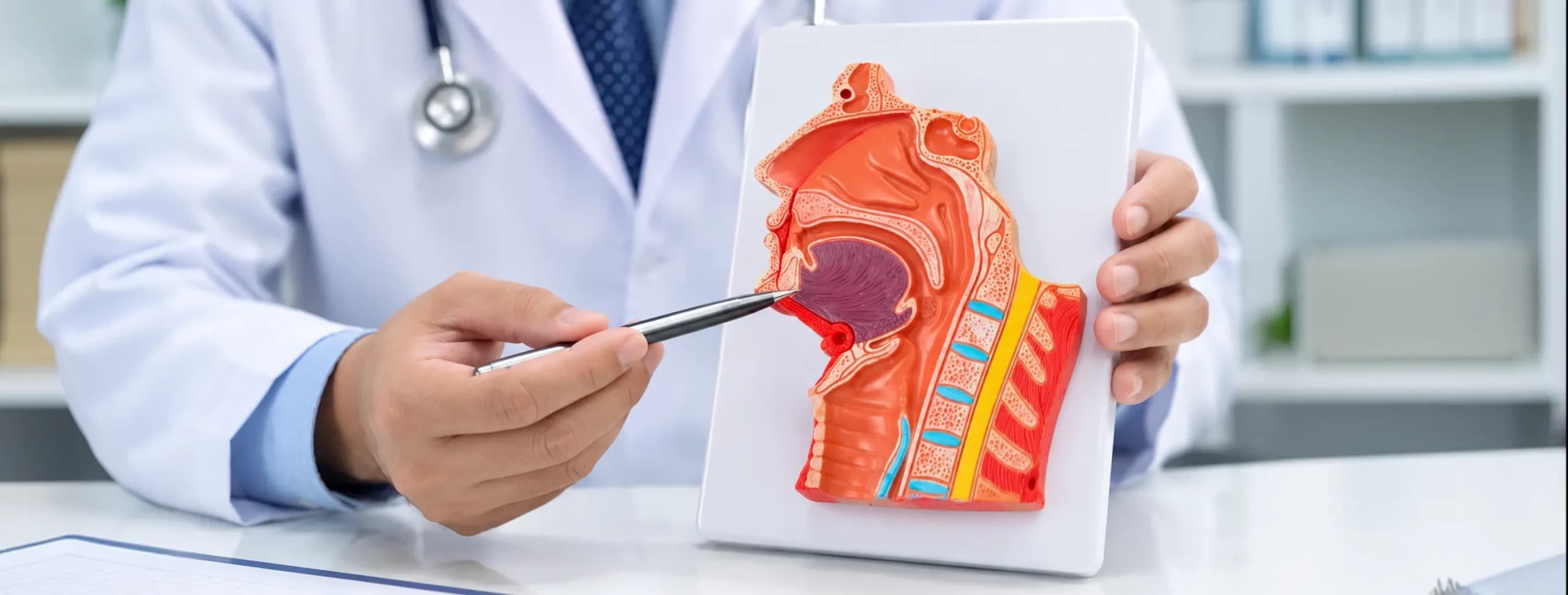
A diagnosis of oral cancer can bring many questions. Oral cancer develops in the lips or tissues of the mouth, including the tongue, gums, inner cheeks, floor of the mouth and hard palate. Most begin in squamous cells and are called squamous cell carcinomas.
Signs include a mouth ulcer that does not heal, persistent red or white patches, a lump, unexplained bleeding, numbness or difficulty chewing and swallowing. Some cases are found during a routine dental examination.
Oral cancer is often more treatable when detected early. Treatment may include surgery, radiation therapy or other treatments, depending on the tumour’s location, size, stage and lymph node involvement.
Understanding your diagnosis and treatment plan can help you feel prepared for next steps.

Book a Consultation

Understanding Conventional Oral Cancer Treatments

Your oncologist may have discussed surgery, radiation therapy, chemotherapy or immunotherapy with you. It is completely normal to feel overwhelmed, particularly when treatment may affect eating, swallowing, speech or appearance.

Rectangle 55

Surgery

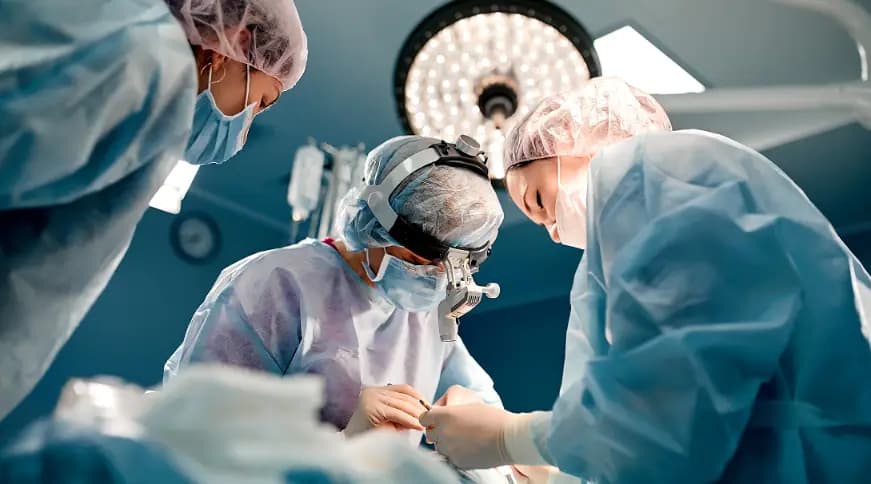
Surgery is a common treatment for oral cancer and may involve removing the tumour with a margin of surrounding tissue. If the cancer involves the jaw or has spread to lymph nodes, part of the bone or lymph nodes in the neck may also need to be removed. Reconstructive surgery may be recommended after larger operations.
Rectangle 59

Radiation Therapy

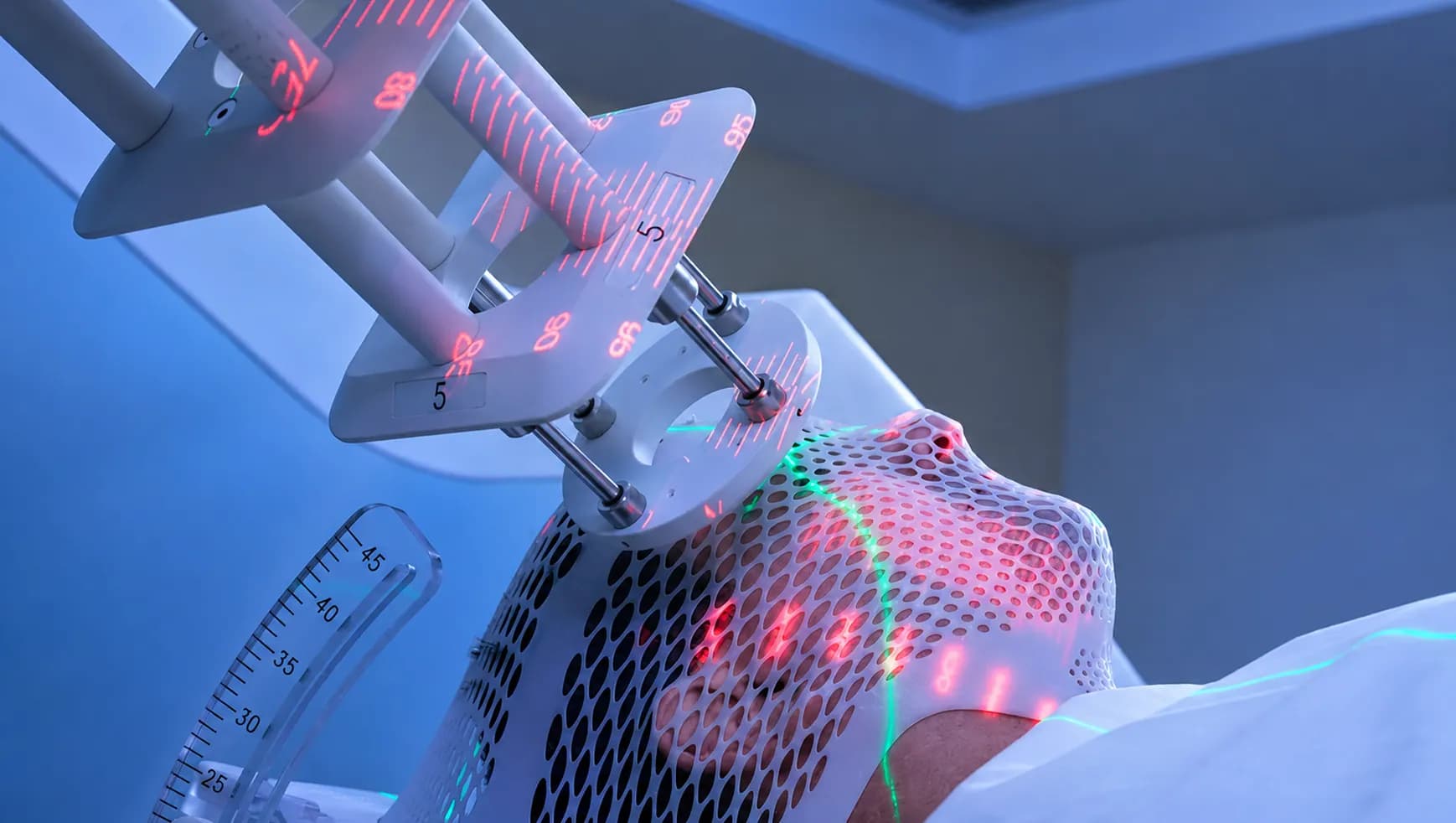
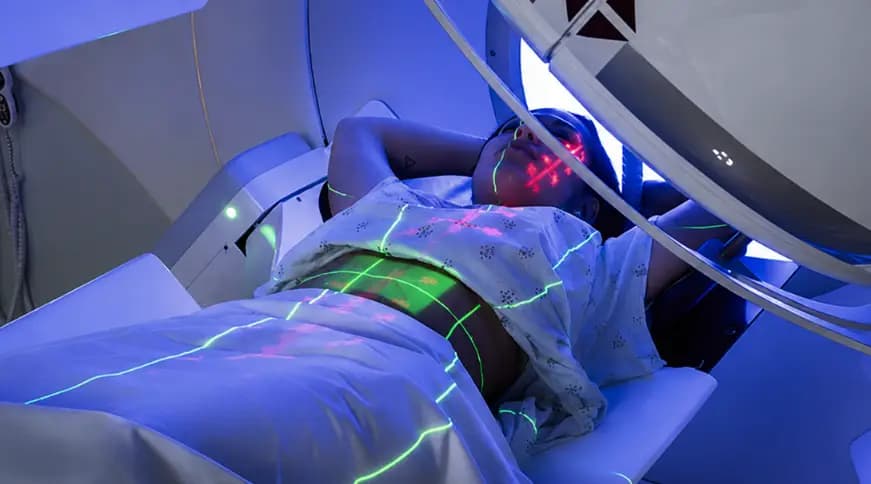
Radiation therapy may be used as the main treatment in selected cases or after surgery to reduce the risk of cancer returning. A dental assessment is important before radiation begins because treatment to the head and neck can affect the teeth, gums, salivary glands and oral tissues.

Rectangle 56

Chemotherapy

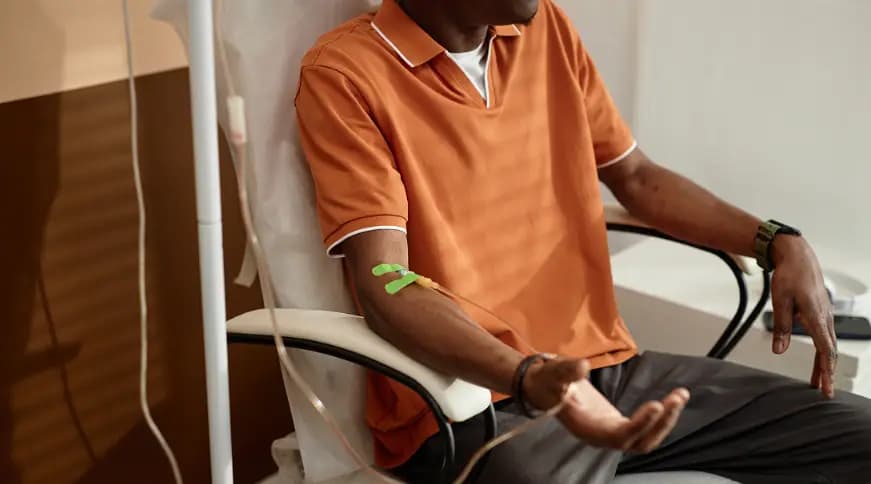
Chemotherapy may be given with radiation therapy or after surgery in patients with higher-risk disease. The medicines used and their timing depend on the stage, pathology, surgical findings and overall treatment plan.

Rectangle 56

Immunotherapy

Immunotherapy may be considered for certain oral squamous cell cancers that have returned or spread to other parts of the body. Biomarker testing may help the oncology team determine whether a particular immunotherapy is suitable.

Rehabilitation and Supportive Care

Rehabilitation and Supportive Care

Oral cancer treatment may affect chewing, swallowing, speech, dental health, nutrition and appearance. Care may therefore involve a head and neck surgeon, radiation oncologist, dentist, dietitian, speech and swallowing therapist, rehabilitation specialist and reconstructive surgeon.

Cancer Healer Center

How Cancer Healer Therapy (CAM) Supports You

Cancer Healer Therapy (CAM) is positioned as supportive integrative care used alongside the treatment prescribed by your oncologist, not instead of it.

The supportive plan may consider concerns such as appetite, nutrition, fatigue, oral discomfort, emotional wellbeing and the practical difficulties that can arise during oral cancer treatment.

Because herbal products and dietary supplements can interact with chemotherapy, immunotherapy and other anticancer medicines, every product must be reviewed with the treating oncologist, oncology pharmacist or qualified healthcare professional before it is started.

Support may begin before surgery, chemotherapy or radiation therapy, with attention to your current nutrition, oral health, symptoms, medicines and overall treatment plan. Patients preparing for head and neck radiation should also complete any dental evaluation recommended by their oncology team before treatment begins.

Not every oral cancer is identical. The pathology and exact site help determine treatment.

  • Squamous cell carcinoma: The most common type, beginning in cells lining the lips and oral cavity.
  • Tongue cancer: Develops in the front two-thirds of the tongue. Cancer at the base is classified as oropharyngeal cancer.
  • Buccal mucosa cancer: Begins in the inner lining of the cheeks.
  • Floor-of-mouth cancer: Develops beneath the tongue.
  • Gum cancer: May involve the upper or lower gums and nearby jawbone.
  • Hard palate cancer: Develops in the bony front portion of the roof of the mouth.
  • Retromolar trigone cancer: Begins in the area behind the wisdom teeth.

Less common cancers may arise from other oral tissues.

Rectangle 62
Rectangle 53

Your Journey With Cancer Healer Center

Here’s exactly what happens from your first conversation with us to ongoing support during treatment.

01

Initial Consultation

We discuss your diagnosis, biopsy report, scans, symptoms and current or planned oncology treatment.

02

Comprehensive Assessment

The team reviews the location and stage of the cancer, planned surgery or radiation, current medicines, nutrition, oral symptoms and any existing complementary products.

03

Personalised Cancer Healer Therapy (CAM) Plan

The supportive plan is developed around the conventional treatment you are already receiving or preparing to begin.

04

Safety and Coordination Review

All herbal products, supplements and supportive practices should be disclosed to the treating oncologist so that potential interactions or contraindications can be reviewed.

05

Active Monitoring and Adaptation

The plan is reviewed as treatment progresses and may be adjusted according to symptoms, appetite, oral comfort, medical updates and changes made by the oncology team.

06

Dedicated Coordinator

You receive one point of contact for appointments, follow-up discussions and communication related to your supportive-care plan.

Cancer Healer Center

Why Choose Cancer Healer Center

Meet Dr. Tarang Krishna, MD - Cancer Healer Center

Dr. Tarang Krishna has spent over two decades developing and refining Cancer Healer Therapy, working with a multidisciplinary team across 30+ centres in India.

His work has been recognised for innovative cancer care and brings a coordinated, supportive approach to every patient journey.

Dr Tarang Krishna
Patient Experiences

Stories Shared by Patients and Families

Every cancer journey is personal. Read experiences shared by patients and families about the consultations, communication, follow-up and support they received at Cancer Healer Center.

Google

4.9 Stars | 5479 Reviews

Rated 5 out of 5 stars
  • Patient iconPancreatic Cancer

    I'm incredibly grateful to the team at Cancer Healer Center! 🌟 Their compassionate approach, cutting-edge treatments, and personalized care made all the difference in my uncle's journey. The doctors and staff were supportive, transparent, and truly invested in my well-being. Thanks to their expertise, I'm on the road to recovery.

    ASAshish SinhaChandigarh
  • Patient iconBlood Cancer

    Cancer Healer Center is one of the best cancer treatment clinic in Chandigarh. The staff is compassionate, the doctors explain everything clearly, and the environment is very comforting for patients and families. Their unique treatment approach focuses on strengthening immunity along with medical support. I have deep respect for the entire team, and I’m extremely satisfied with the care and professionalism here.

    AWAbhishek WaliaChandigarh
  • Patient icon

    I visited Cancer Healer Center at Juhu. I had a very good experience regarding my patient doubts. The doctor professionally explained all my concerns and clarified all the reports clearly. The staff was also polite and supportive. Highly recommend this center.

    AAAnsari AqsaMumbai
FAQs

Frequently Asked Questions

No. Oral cancer begins in areas such as the lips, front portion of the tongue, gums, inner cheeks, floor of the mouth and hard palate. Oropharyngeal cancer begins farther back, including the tonsils, soft palate and base of the tongue. They have different staging considerations and risk-factor patterns.