
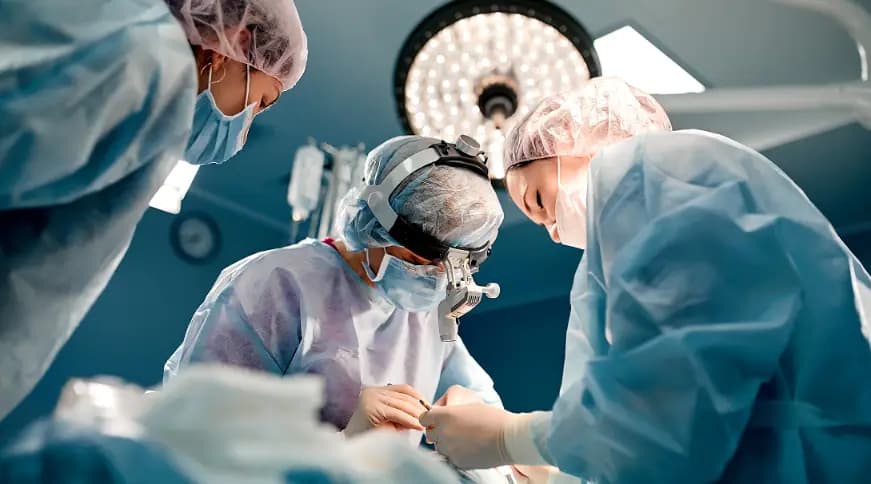
Surgery:
Removal of the tumour and surrounding tissue, often the primary treatment for early-stage colon cancer.

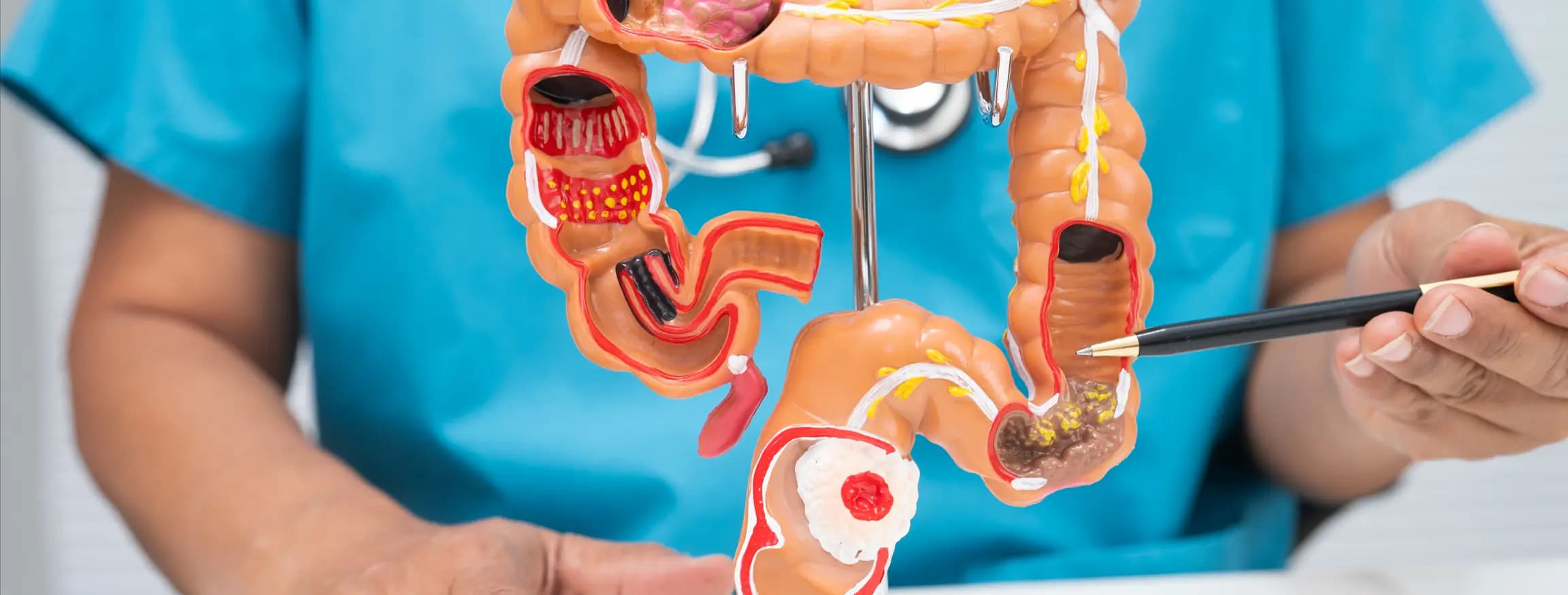
From your first decision to your last session, experience care that's truly holistic
A diagnosis brings a hundred questions at once. Let’s start with the basics.
Colon cancer develops in the large intestine, usually beginning as a small growth called a polyp that can slowly turn cancerous over several years. It’s one of the more common cancers diagnosed in India, and cases have been rising, particularly among younger adults in recent years. It’s closely linked to diet, lifestyle, and, in some cases, family history or inherited genetic conditions.
The good news is that colon cancer is often more treatable when found early. Regular screening can detect precancerous polyps, which can often be removed before they develop into cancer.
Your oncologist has likely already spoken to you about surgery, chemotherapy, or radiation therapy, depending on your specific case. It's completely normal to feel overwhelmed by everything on that list.
Removal of the tumour and surrounding tissue, often the primary treatment for early-stage colon cancer.
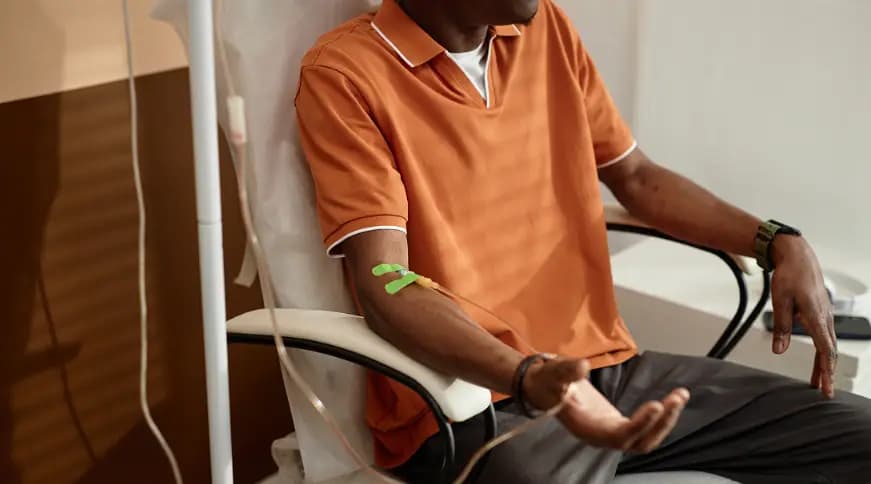
Medication to destroy or slow the growth of cancer cells, commonly used after surgery to lower the risk of recurrence.
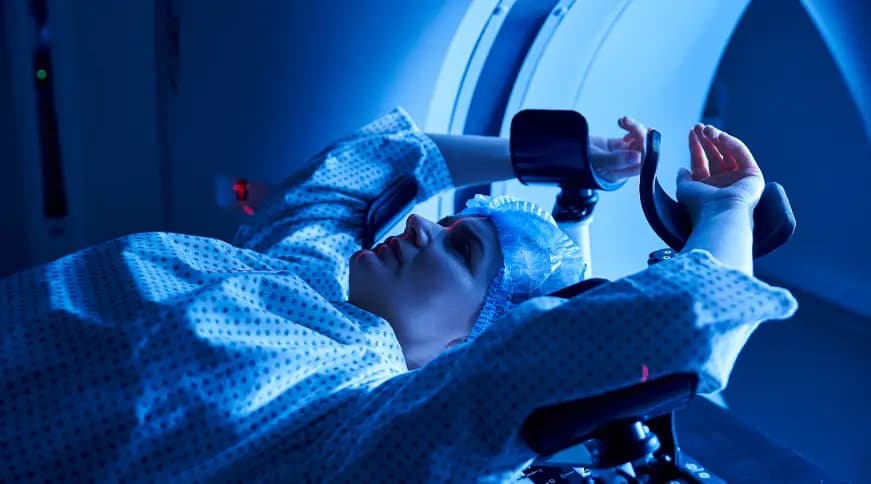
Less commonly used for colon cancer than for rectal cancer, but sometimes recommended for specific cases.
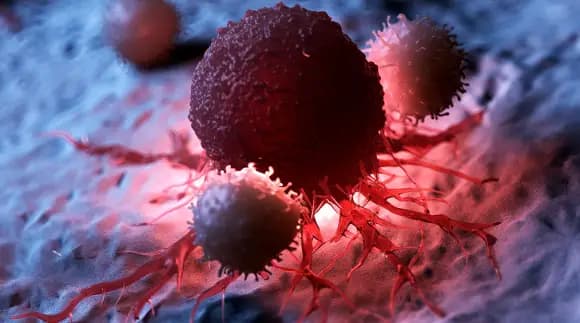
Drugs designed to act on specific genetic changes within the tumour, used for more advanced cases.
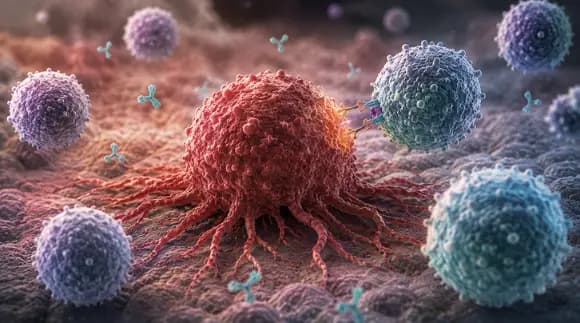
An option for a subset of colon cancers with particular genetic markers, used when standard chemotherapy isn't effective enough on its own.
Cancer treatment can affect people in different ways, and some patients may experience fatigue, appetite changes or other treatment-related challenges. Supportive care can help address day-to-day wellbeing while you continue the treatment plan recommended by your oncology team.
At Cancer Healer Center, Cancer Healer Therapy (CAM) provides personalised supportive integrative care designed around your individual needs throughout your colon cancer journey. It is intended to complement your prescribed cancer treatment while supporting your overall wellbeing and supportive-care needs.
Your supportive-care plan can be adapted according to where you are in your treatment journey, with attention to areas such as nutrition, appetite, sleep, fatigue, emotional wellbeing and day-to-day concerns.
Supportive care may consider your nutrition, appetite, sleep, current health and general wellbeing as you prepare for surgery, chemotherapy or other recommended treatment.
Support can be adapted as your needs change, with attention to concerns such as nutrition, appetite, fatigue, sleep and general wellbeing throughout your treatment journey.
Cancer Healer Center can provide personalised supportive care based on your individual needs while you continue with the diagnostic and treatment plan recommended by your medical team.
Cancer Healer Therapy is designed to complement your prescribed cancer treatment, not replace or delay it. Patients can continue their recommended treatment while Cancer Healer Center provides supportive care alongside their broader medical care.
Not all colon cancers are the same, and understanding your specific type helps make sense of your treatment plan.
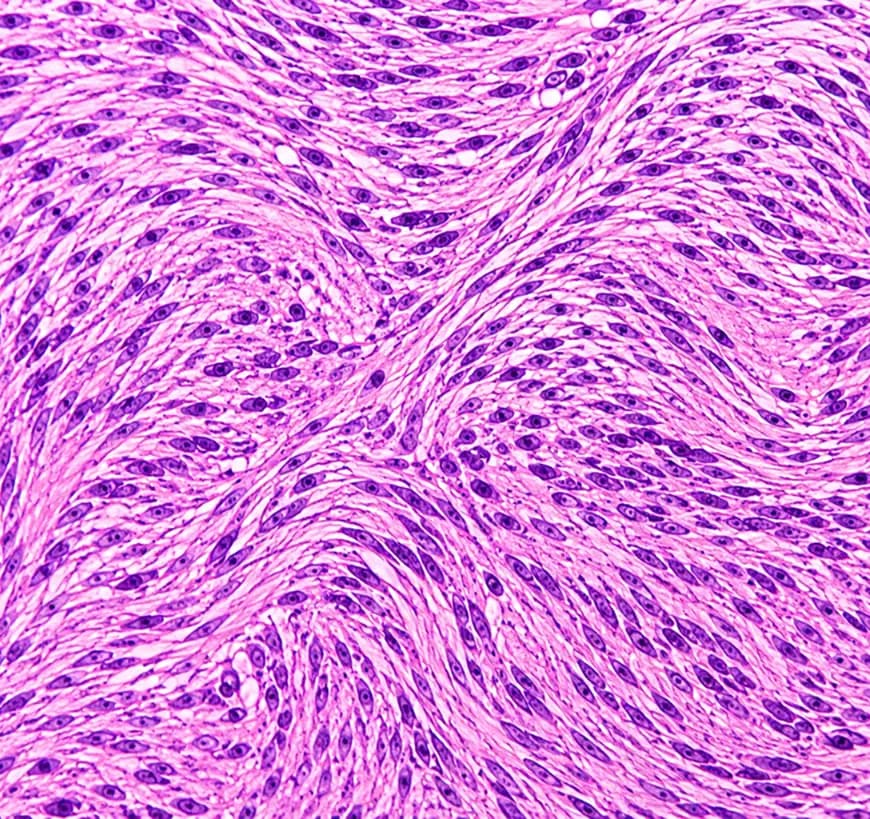
Your oncologist’s staging determines your treatment path. Cancer Healer Therapy (CAM) is designed to support patients across all stages, including advanced-stage cases where quality of life becomes a central priority.
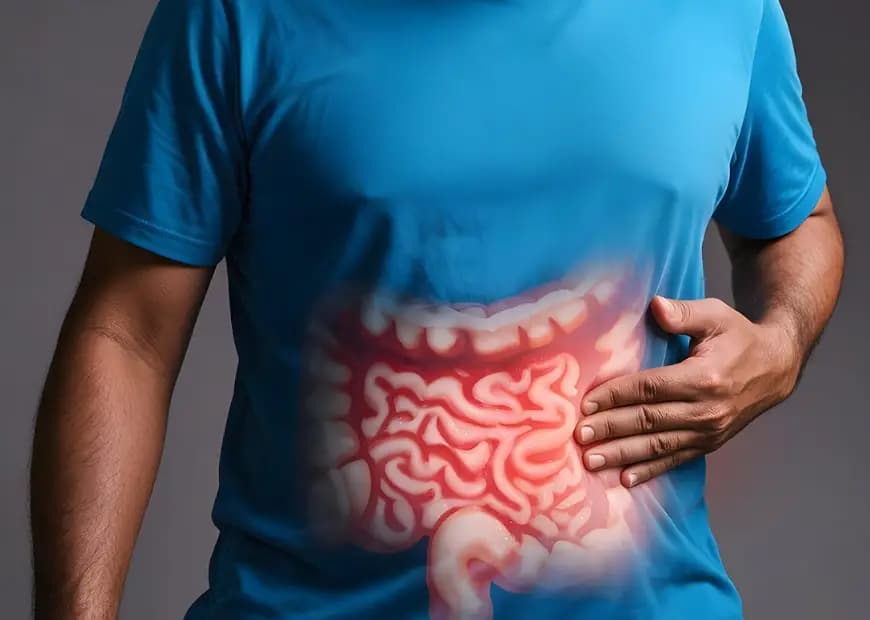
If you’re noticing any of these, the next step is a clinical evaluation with a doctor, not a delay.

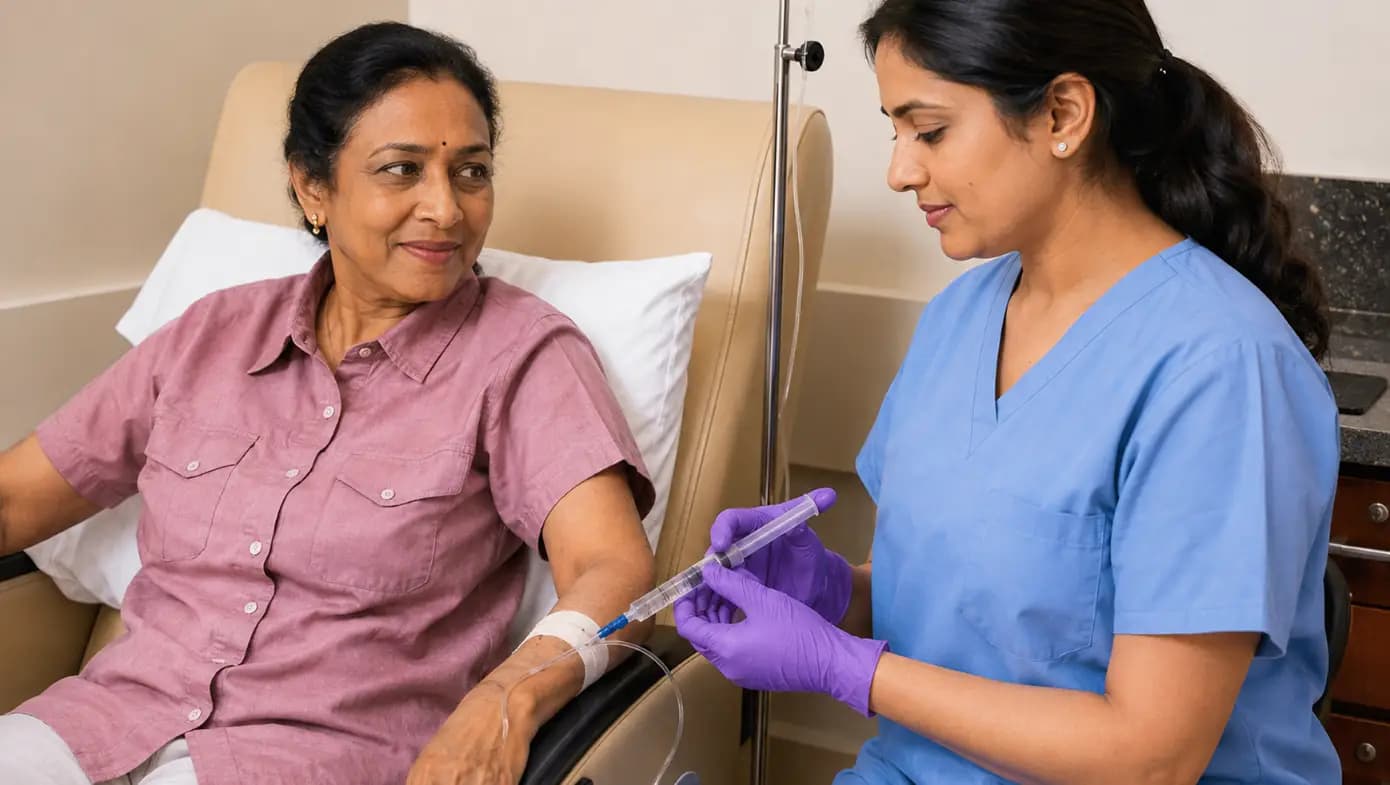
Here’s exactly what happens from your first conversation with us to ongoing support during treatment.
We talk through your diagnosis, reports, and current or planned treatment.
Understanding your specific case, stage, and treatment stage.
Built around what you're already undergoing or about to start.
Your plan adjusts as your treatment progresses.
One point of contact throughout

Meet Dr. Tarang Krishna, MD - Cancer Healer Center
Dr. Tarang Krishna has spent over two decades developing and refining Cancer Healer Therapy, working with a multidisciplinary team across 30+ centres in India.
His work has been recognised for innovative cancer care and brings a coordinated, supportive approach to every patient journey.

Every cancer journey is personal. Read experiences shared by patients and families about the consultations, communication, follow-up and support they received at Cancer Healer Center.

4.9 Stars | 5479 Reviews

 Pancreatic Cancer
I'm incredibly grateful to the team at Cancer Healer Center! 🌟 Their compassionate approach, cutting-edge treatments, and personalized care made all the difference in my uncle's journey. The doctors and staff were supportive, transparent, and truly invested in my well-being. Thanks to their expertise, I'm on the road to recovery.
Blood CancerCancer Healer Center is one of the best cancer treatment clinic in Chandigarh. The staff is compassionate, the doctors explain everything clearly, and the environment is very comforting for patients and families. Their unique treatment approach focuses on strengthening immunity along with medical support. I have deep respect for the entire team, and I’m extremely satisfied with the care and professionalism here.
I visited Cancer Healer Center at Juhu. I had a very good experience regarding my patient doubts. The doctor professionally explained all my concerns and clarified all the reports clearly. The staff was also polite and supportive. Highly recommend this center.
Great place with amazing facilities like a homey environment. Cancer Healer Centre's team is great and I really appreciate them. There is a lot of positivity among staff members, and the patients are always taken care of well.
I m feeling very pleased n thankful to all staff they guided us very gud...n provide me very positive guidence to fight wid cancer......thankyu so much for all staff n cancer healer center bhopal...very satisfied
Trustable medicine and Doctor and other staff are all very cooperative and helpful
I feels like a this treatment is extreme level of treatment or cancer and doctors behaviour is too good
I had a very positive experience at the cancer centre. The doctors and staff were extremely supportive, caring, and professional throughout the treatment journey. They explained everything patiently and made us feel comfortable and hopeful during a difficult time. The facilities were well-managed, and the overall environment was clean and compassionate. Truly grateful for the dedication and care provided by the entire team.
Our experince was so good.Doctor mam behaviour was so excellent .She discussed with us very politely .She also discussed with our patient on video call and motivated him for recovery. All the staff was so good and cooperative. I thank to all of them for their supporative behaviour
I have visited the cancer healer center chennai couple of days back the consultation was very good and the front office people are very cooperative I got complete information about treatment. Thanks to Cancer healer center and team.
Recently visited center, Consultation was good cleared all doubts about diseases. Front desk people were supportive through all process.
Visited for my father's treatment and had a great experience with Dr. Nimmy. She explained everything in detail and answered all our questions with so much kindness. Her warm approach and clear guidance gave us complete peace of mind. Highly recommended! May God bless them!....
Feeling comfortable and happy with the staff service. Really good care taken by them
As a new patient, I wasn’t sure what to expect, but the visit felt structured and well-organized. My questions were addressed with patience, and I didn’t feel dismissed at any point. The overall atmosphere was calm, which made it easier to talk openly.
My father having cancer tissue in hand. We visit this centre in Dehradun.This is very peaceful and satisfactory. Dr nature and behaviour was very good and satisfactory.
I visited nfc center for my relative. And consultation with doctor is very good. Staff ne kafi acha samjhaya hme....pre consultation bhi staff ne kafi kuch btaya .. information di about disease. Over all good experience.
I visited NFC CENTER. Doctor and the staff is very humble and knowledgable. My query were resolved. My friend's have a blood cancer so I searched on internet then I found about Cancer healer center. I started treatment and my friend is very motivated now and feeling good.
Very good hospitality and well behaved staff and the doctor also addressed all my queries with no doubts left behind... Looking forward to start the treatment with positive hope.
Today is my first visit to this place and i like the consultation of the doctor and behavior of the staff are very good and friendly
The doctors and staff are caring,professional,and always supportive. The overall service has been excellent and well managed . Thank yiu to the enture team for their dedication and care and improvement is seen in the paitent
My brother takeing the treatment at cancer healer center last six months, the pet scan report was came good result, center fellow up was very good
No. Colon cancer develops in the colon while rectal cancer develops in the rectum, the last few inches of the large intestine. Together they’re often grouped as colorectal cancer, but treatment approaches can differ.
Regular screening can detect precancerous polyps, which can often be removed before they develop into cancer. Your doctor can advise when screening should begin based on your age and individual risk factors.
Most patients don’t require a permanent colostomy. Whether one is needed depends on the tumour’s location and stage, and your surgeon will discuss this with you beforehand.
No. Cancer Healer Therapy is designed to complement your prescribed cancer treatment, not replace or delay it.
Family history, inherited genetic conditions, a diet low in fibre and high in processed meat, smoking, and inflammatory bowel disease are all recognised risk factors.