


Supportive Care for Every Step of Your Neuroendocrine Tumour Treatment

Supportive Care for Every Step of Your Neuroendocrine Tumour Treatment

From diagnosis and hormone assessment to surgery, targeted treatment, PRRT and long-term follow-up, experience care that considers your strength, nutrition, digestive health, hormonal symptoms and overall wellbeing.

Book a Consultation

About Neuroendocrine Tumours

About Neuroendocrine Tumours

A diagnosis can bring many questions at once. Let us begin with the basics.

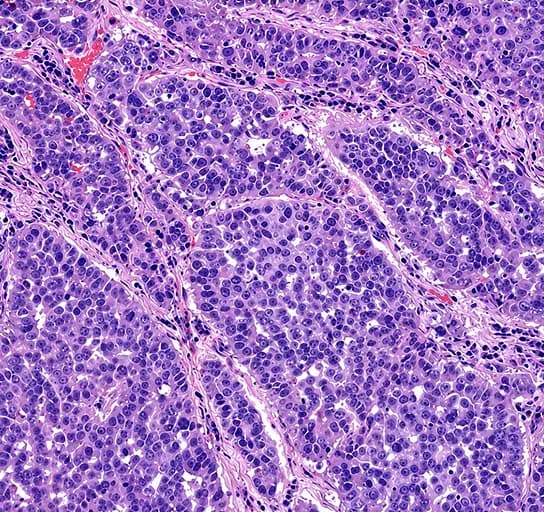
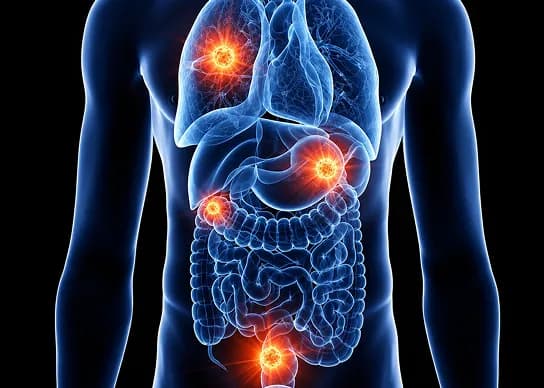
Neuroendocrine tumours, called NETs, develop from specialised neuroendocrine cells that receive signals from the nervous system and release hormones or hormone-like substances. NETs can begin in the digestive tract, pancreas, lungs, thymus and other organs. Some are well-differentiated tumours that may grow slowly or more aggressively depending on grade, while poorly differentiated neuroendocrine carcinomas (NECs) are high-grade cancers that grow rapidly. Some tumours contain both neuroendocrine and non-neuroendocrine cancer components. A NET may be functioning and produce hormones that cause symptoms, or nonfunctioning without a recognised hormone syndrome. Diagnosis may involve blood or urine tests, imaging, biopsy and somatostatin-receptor imaging.

Book a Consultation

Understanding Conventional Neuroendocrine Tumour Treatments

Treatment depends on the primary site, differentiation, grade, Ki-67 index, hormone production, somatostatin-receptor expression, growth rate and extent of spread.

Rectangle 55

Surgery

Surgery offers the best chance of cure for many localised, removable NETs. Depending on the site, treatment may involve endoscopic removal, bowel surgery, pancreatic surgery, lung resection or regional lymph-node removal. Some small, superficial stomach or rectal NETs may be treated endoscopically.

Somatostatin Analogues

Somatostatin Analogues

Medicines such as octreotide and lanreotide may help control flushing and diarrhoea caused by carcinoid syndrome and may slow the growth of some well-differentiated, somatostatin-receptor-positive NETs.

Rectangle 59

Peptide Receptor Radionuclide Therapy

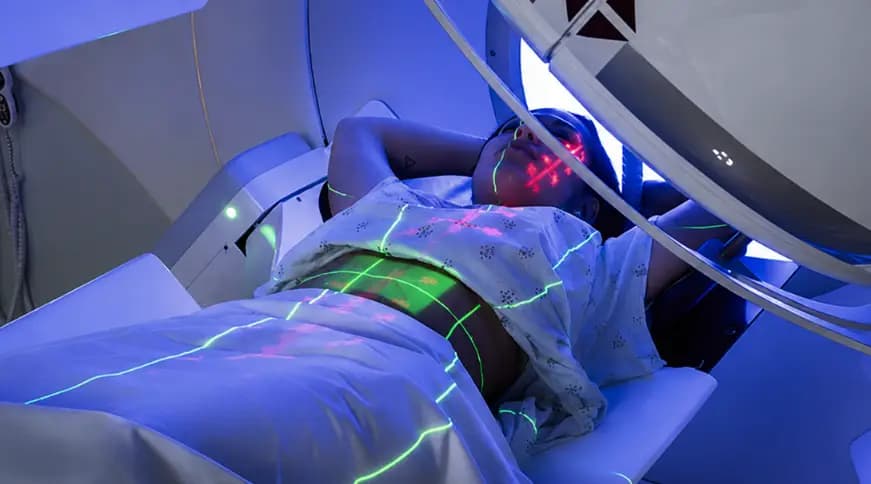
PRRT delivers radiation directly to tumour cells that carry somatostatin receptors. Lutetium-177 dotatate may be considered for eligible well-differentiated, somatostatin-receptor-positive, unresectable or metastatic gastroenteropancreatic NETs. Treatment requires appropriate kidney and bone-marrow function and specialist nuclear-medicine supervision.

Rectangle 56

Targeted and Systemic Treatment

Depending on the tumour type, options may include everolimus, sunitinib, cabozantinib, chemotherapy or liver-directed treatment. Poorly differentiated NEC is treated differently from a well-differentiated NET and commonly receives platinum plus etoposide chemotherapy.

Cancer Healer Center

How Cancer Healer Therapy (CAM) Supports You

Cancer Healer Therapy (CAM) is supportive integrative care used alongside treatment prescribed by your NET and oncology team, not instead of it.

The supportive plan may consider appetite, fatigue, sleep, digestive comfort, strength, emotional wellbeing and recovery during treatment.

Herbal products and supplements may interact with somatostatin analogues, targeted medicines, chemotherapy, blood thinners, diabetes treatment and surgical medicines.

Support may begin before surgery, PRRT or systemic treatment, with attention to hormonal symptoms, hydration, nutrition, blood sugar, electrolytes, kidney and liver function and current medicines.

Types of Neuroendocrine Tumours

  • Gastrointestinal NETs: Develop in the stomach, small intestine, appendix, colon or rectum and vary in their biological behaviour.
  • Pancreatic NETs: Begin in the pancreas and may be functioning or nonfunctioning, depending on hormone production.
  • Lung NETs: Include typical and atypical carcinoid tumours, which differ in their pathological features and behaviour.
  • Other NETs: Neuroendocrine tumours can also develop in less common sites throughout the body.

Some NETs produce hormones that cause specific symptoms, while others do not. The tumour type, primary site, grade and biological behaviour help the medical team determine appropriate investigations and treatment.

Types
Your Journey With Cancer Healer Center

Your Journey With Cancer Healer Center

Here’s exactly what happens from your first conversation with us to ongoing support during treatment.

01

Initial Consultation:

We discuss your pathology, scans, hormonal symptoms and current or planned treatment.

02

Comprehensive Assessment:

The team reviews the primary site, differentiation, grade, Ki-67 index, functioning status, stage, receptor imaging, metastases and treatment recommendations.

03

Personalised Cancer Healer Therapy (CAM) Plan:

Supportive care is developed around the treatment or surveillance plan recommended by your NET team.

04

Safety and Coordination Review:

Herbal products, supplements and special diets should be disclosed to the treating doctor.

05

Active Monitoring and Adaptation:

Support may be reviewed according to symptoms, blood tests, nutrition and treatment effects.

06

Dedicated Coordinator:

One point of contact supports appointments and follow-up communication.

Cancer Healer Center

Why Choose Cancer Healer Center

Meet Dr. Tarang Krishna, MD - Cancer Healer Center

Dr. Tarang Krishna has spent over two decades developing and refining Cancer Healer Therapy, working with a multidisciplinary team across 30+ centres in India.

His work has been recognised for innovative cancer care and brings a coordinated, supportive approach to every patient journey.

Dr Tarang Krishna
Patient Experiences

Stories Shared by Patients and Families

Every cancer journey is personal. Read experiences shared by patients and families about the consultations, communication, follow-up and support they received at Cancer Healer Center.

Google

4.9 Stars | 5479 Reviews

Rated 5 out of 5 stars
  • Patient iconPancreatic Cancer

    I'm incredibly grateful to the team at Cancer Healer Center! 🌟 Their compassionate approach, cutting-edge treatments, and personalized care made all the difference in my uncle's journey. The doctors and staff were supportive, transparent, and truly invested in my well-being. Thanks to their expertise, I'm on the road to recovery.

    ASAshish SinhaChandigarh
  • Patient iconBlood Cancer

    Cancer Healer Center is one of the best cancer treatment clinic in Chandigarh. The staff is compassionate, the doctors explain everything clearly, and the environment is very comforting for patients and families. Their unique treatment approach focuses on strengthening immunity along with medical support. I have deep respect for the entire team, and I’m extremely satisfied with the care and professionalism here.

    AWAbhishek WaliaChandigarh
  • Patient icon

    I visited Cancer Healer Center at Juhu. I had a very good experience regarding my patient doubts. The doctor professionally explained all my concerns and clarified all the reports clearly. The staff was also polite and supportive. Highly recommend this center.

    AAAnsari AqsaMumbai
FAQs

Frequently Asked Questions

No. Some well-differentiated NETs grow slowly, while poorly differentiated NECs are high-grade cancers that usually behave more aggressively.