Cancer healer

Tongue Cancer: Diagnosis, Treatment and Supportive Care

Tongue cancer can affect eating, swallowing, speech, nutrition and wellbeing. Treatment from a specialist head-and-neck oncology team may include surgery, radiation therapy, systemic treatment or combined approaches. At Cancer Healer Center, Cancer Healer Therapy (CAM) provides integrative supportive care alongside oncologist-recommended treatment.

Book a Consultation

Full Name
Phone
Email
Message
Cancer healer

What Is Tongue Cancer?

A diagnosis can bring many questions at once. Let us begin with the basics.

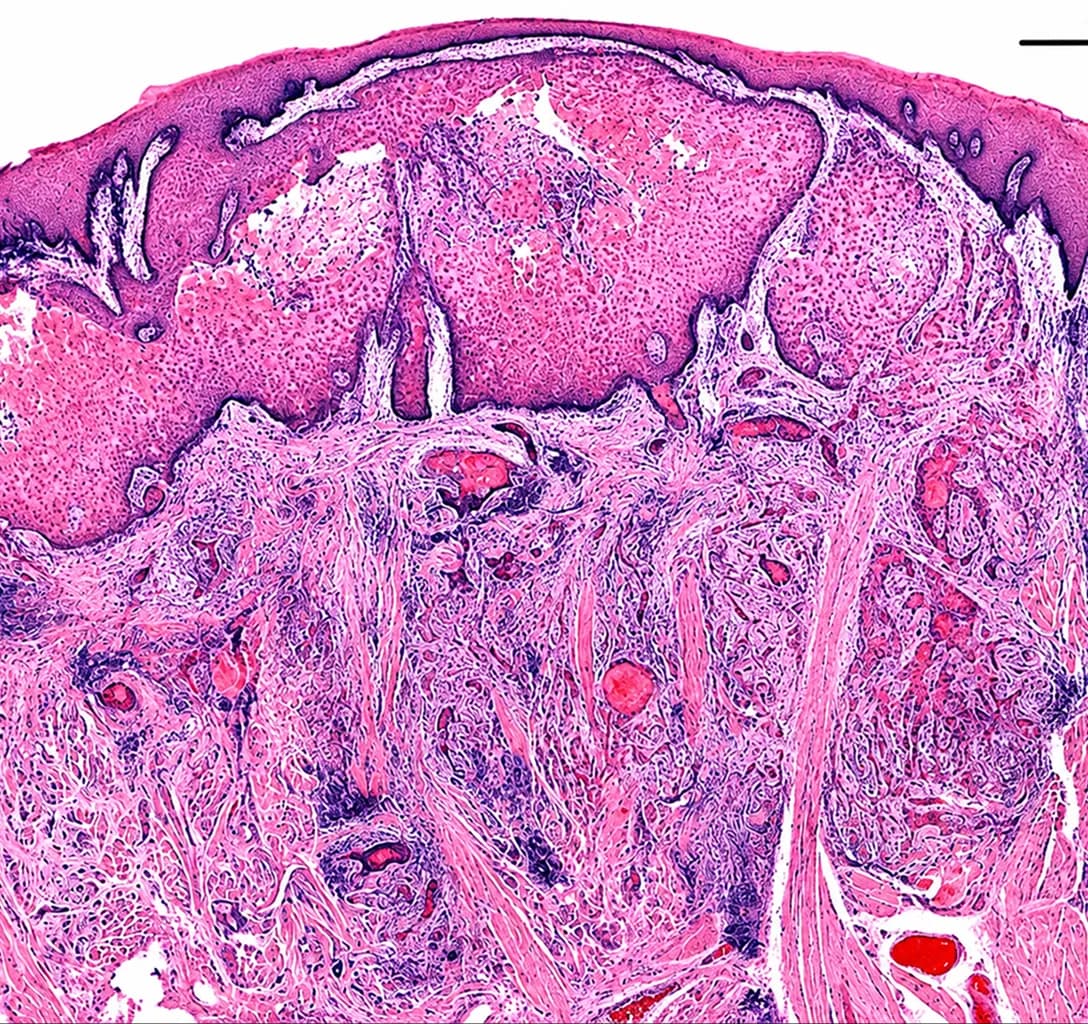
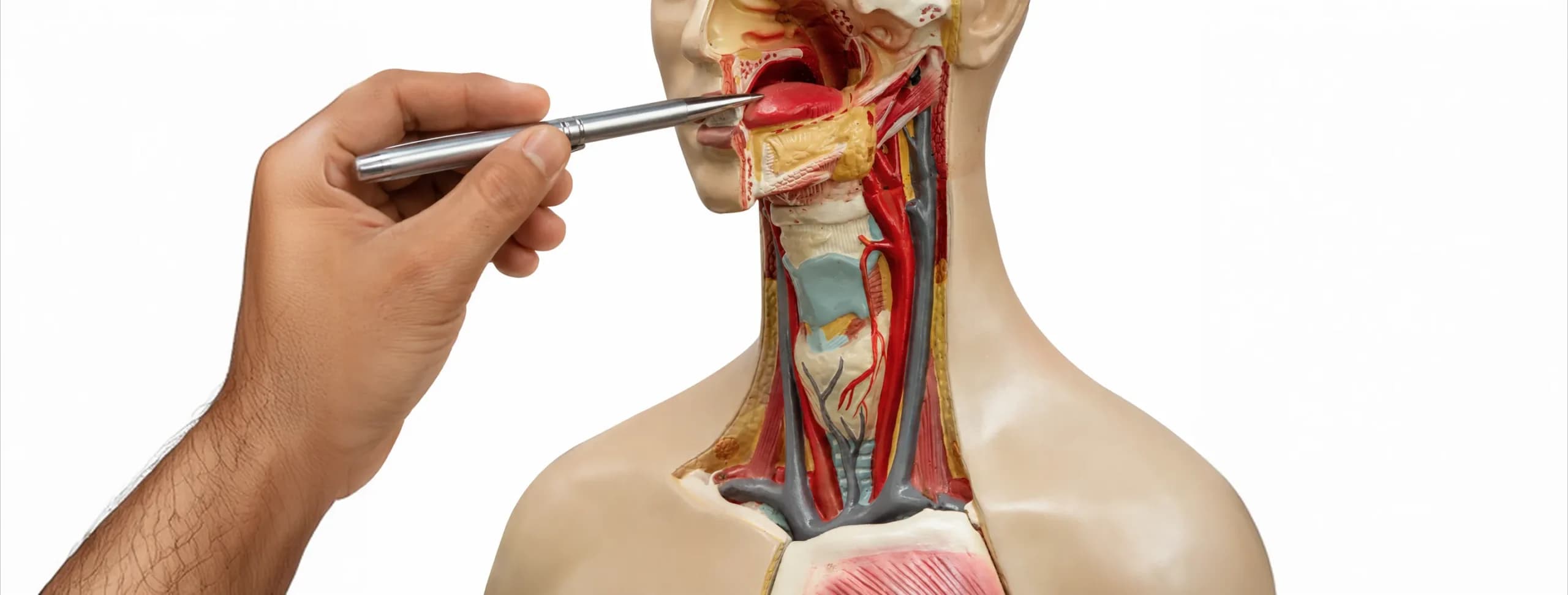
Tongue cancer develops when abnormal cells in the tongue grow uncontrollably and form a malignant tumour. Most tongue cancers are squamous cell carcinomas arising from cells lining the tongue’s surface. The tongue has two clinically important regions. The oral tongue is the front two-thirds, or movable part, and cancers here are classified as oral cavity cancers. The base of the tongue forms the back one-third and is part of the oropharynx, so cancers there are classified as oropharyngeal cancers. HPV, particularly HPV-16, is associated with many base-of-tongue cancers but less strongly with oral tongue cancers. Tumour location, stage and HPV status help guide treatment planning.

Book a Consultation

breast-cancer01

Surgery

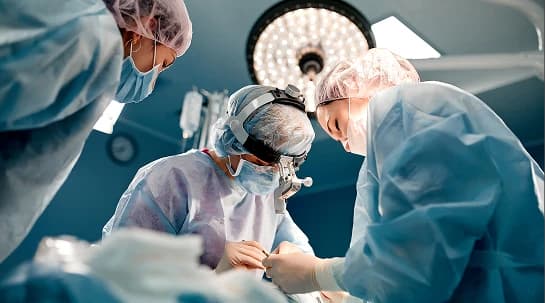
Surgery is commonly used for oral tongue cancer. The surgeon may remove the tumour with a margin of surrounding tissue. Depending on the stage and risk of spread, lymph nodes in the neck may also need to be removed. Larger operations may require reconstructive surgery to restore structure and support speech and swallowing.

Cancer healer

Radiation Therapy

Radiation therapy may be used as the main treatment in selected cases, after surgery to reduce the risk of recurrence or together with chemotherapy. It may also help control symptoms in some advanced cancers. Treatment is planned carefully because radiation involving the mouth and throat can affect swallowing, taste, saliva production, teeth and oral health.

Rectangle 56

Chemotherapy and Other Systemic Treatments

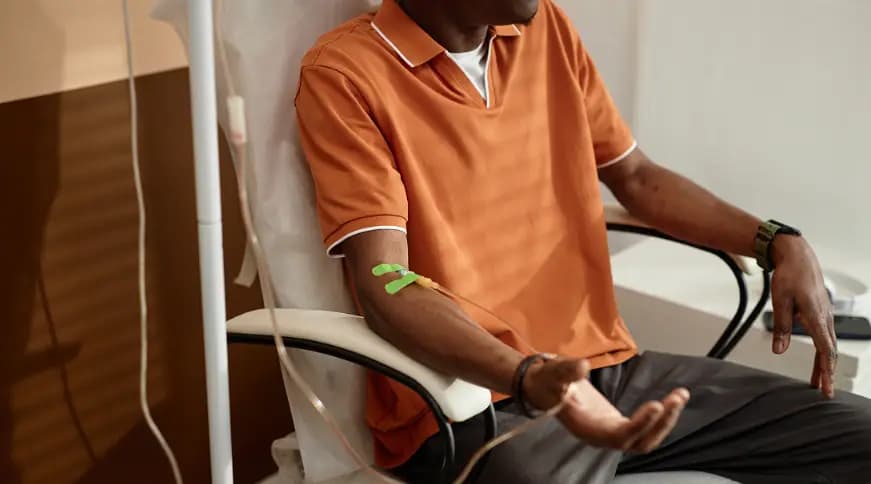
Chemotherapy may be combined with radiation therapy or used for certain recurrent, advanced or metastatic cancers. Targeted therapy and immunotherapy may also be considered in selected situations. Not everyone requires every treatment. Your oncology team will recommend an approach based on the cancer’s location, stage, biological features and your overall health.

Cancer Healer Center

Where Cancer Healer Therapy (CAM) Fits Into Your Care

Tongue cancer treatment can affect eating, swallowing, speech, oral comfort, nutrition and everyday wellbeing. Cancer Healer Therapy (CAM) is offered as an integrative supportive-care approach alongside the treatment and rehabilitation recommended by your oncology team.

It is not intended to treat cancer or replace established oncology care.

Follow all instructions from your surgeon and anaesthesia team. Tell them about every medicine, supplement and complementary preparation you use because some products can interact with medicines or affect bleeding and anaesthesia. Do not start, stop or continue complementary products around surgery without discussing them with the team responsible for your procedure.

Continue radiation therapy exactly as prescribed. Treatment involving the tongue, mouth or throat may affect swallowing, taste, saliva, oral comfort and nutrition. Attend recommended dental, nutritional and swallowing assessments. Tell your radiation oncology team about all medicines and supplements you use.

Tell your oncologist about every medicine, supplement or complementary product you are taking or considering. Some products can interact with chemotherapy, immunotherapy, targeted therapy or medicines used to manage treatment-related symptoms.

Recovery may involve nutritional care, speech and swallowing rehabilitation, dental care, symptom management and regular oncology follow-up. Supportive care should be coordinated around these services and should never be used as a reason to postpone or discontinue treatment.

Keep your oncology and supportive-care teams informed about every treatment and product you use. This allows potential interactions and safety concerns to be considered.

Types of Tongue Cancer

Most tongue cancers are squamous cell carcinomas but are also classified by their location:

  • Oral tongue cancer: Develops in the movable front two-thirds of the tongue and is treated as an oral cavity cancer.
  • Base-of-tongue cancer: Develops in the back one-third of the tongue and is treated as an oropharyngeal cancer. Many cases are associated with HPV.

Less common cancers can also arise from other tissues within the tongue. A biopsy identifies the exact cancer type.

Cancer healer
Cancer healer

Your Journey With Cancer Healer Center

Here’s exactly what happens from your first conversation with us to ongoing support during treatment.

01

Initial Consultation

Your diagnosis, pathology reports, scans, symptoms and current treatment plan are reviewed.

02

Health and Treatment Review

Relevant information may include your cancer type and stage, symptoms, medicines, supplements, nutrition and overall health.

03

Supportive-Care Planning

If supportive care is appropriate, the plan is developed around the cancer treatment you are already receiving.

04

Ongoing Review

Your supportive-care plan may change as your treatment, symptoms or recovery progresses.

05

Care Coordination

Keep your oncology team and supportive-care team informed about medicines, herbal preparations and supplements you use so potential interactions can be considered.

Cancer Healer Center

Why Choose Cancer Healer Center

Meet Dr. Tarang Krishna, MD - Cancer Healer Center

Dr. Tarang Krishna has spent over two decades developing and refining Cancer Healer Therapy, working with a multidisciplinary team across 30+ centres in India.

His work has been recognised for innovative cancer care and brings a coordinated, supportive approach to every patient journey.

Dr Tarang Krishna
Patient Experiences

Stories Shared by Patients and Families

Every cancer journey is personal. Read experiences shared by patients and families about the consultations, communication, follow-up and support they received at Cancer Healer Center.

Google

4.9 Stars | 5479 Reviews

Rated 5 out of 5 stars
  • Patient iconPancreatic Cancer

    I'm incredibly grateful to the team at Cancer Healer Center! 🌟 Their compassionate approach, cutting-edge treatments, and personalized care made all the difference in my uncle's journey. The doctors and staff were supportive, transparent, and truly invested in my well-being. Thanks to their expertise, I'm on the road to recovery.

    ASAshish SinhaChandigarh
  • Patient iconBlood Cancer

    Cancer Healer Center is one of the best cancer treatment clinic in Chandigarh. The staff is compassionate, the doctors explain everything clearly, and the environment is very comforting for patients and families. Their unique treatment approach focuses on strengthening immunity along with medical support. I have deep respect for the entire team, and I’m extremely satisfied with the care and professionalism here.

    AWAbhishek WaliaChandigarh
  • Patient icon

    I visited Cancer Healer Center at Juhu. I had a very good experience regarding my patient doubts. The doctor professionally explained all my concerns and clarified all the reports clearly. The staff was also polite and supportive. Highly recommend this center.

    AAAnsari AqsaMumbai
FAQs

Frequently Asked Questions

Some tongue cancers can be treated successfully, particularly when diagnosed at an earlier stage.
However, outcomes vary according to the location and stage of the cancer, its biological characteristics, overall health and response to treatment.
Your oncology team is best placed to discuss prognosis based on your individual diagnosis.

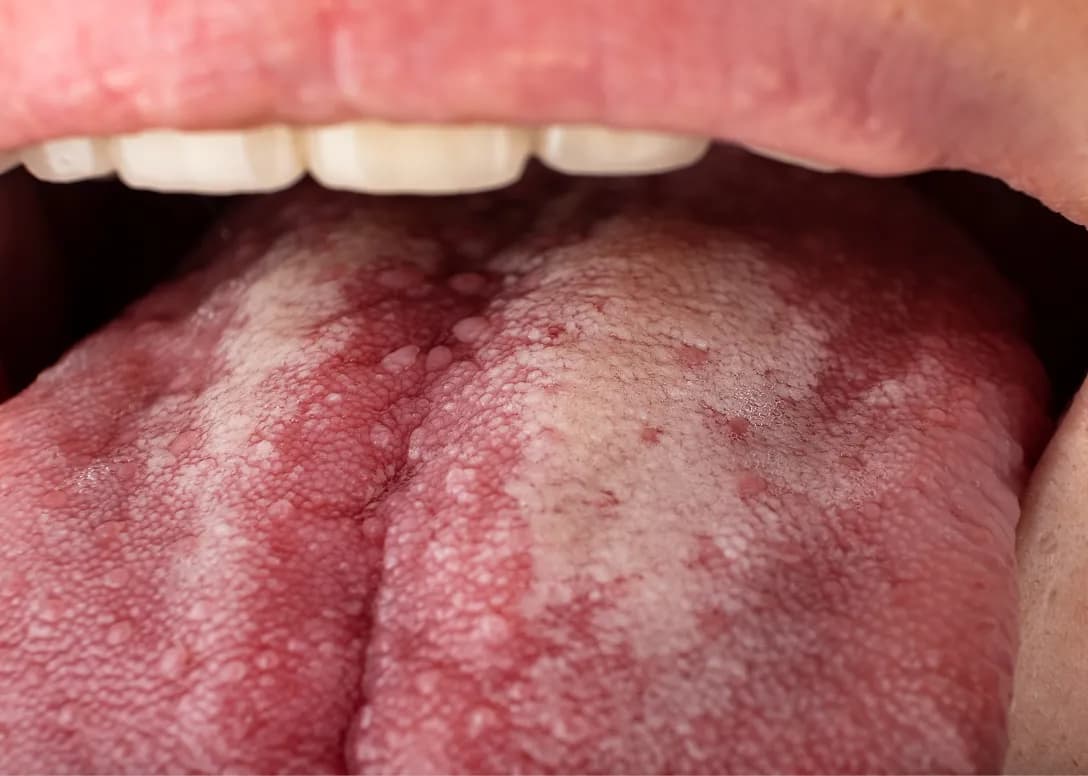
Possible signs include a persistent ulcer, lump, red or white patch, unexplained bleeding, tongue pain, difficulty swallowing or a lump in the neck.
These symptoms can also occur for other reasons, so medical assessment is needed for persistent or unexplained changes.

No. Many tongue ulcers are not cancerous.
However, an ulcer that persists, enlarges, repeatedly bleeds or has other concerning features should be examined by a healthcare professional.

A doctor or specialist examines the suspicious area, and a biopsy is usually needed to confirm the diagnosis.
Imaging and other investigations may then be used to determine the extent of the cancer and guide treatment.

No.
Treatment depends on the location and stage of the cancer and other clinical factors. Some patients may have surgery, while others may receive radiation therapy, systemic treatment, or a combination of treatments.

Cancer Healer Therapy is presented here as supportive integrative care, not as a treatment to cure tongue cancer.
It should not replace surgery, radiation therapy, chemotherapy, immunotherapy, targeted therapy or other treatment recommended by your oncology team.

No.
Do not stop, postpone or replace prescribed cancer treatment in favour of Cancer Healer Therapy.
If you want to use herbal or complementary supportive care alongside treatment, discuss it with your oncologist so potential interactions and safety considerations can be reviewed.

Yes.
Tell your treating oncology team about all herbal products and supplements you use or are considering.
Some products can interact with cancer medicines or create additional safety concerns, so your treating team should know about everything you are taking.