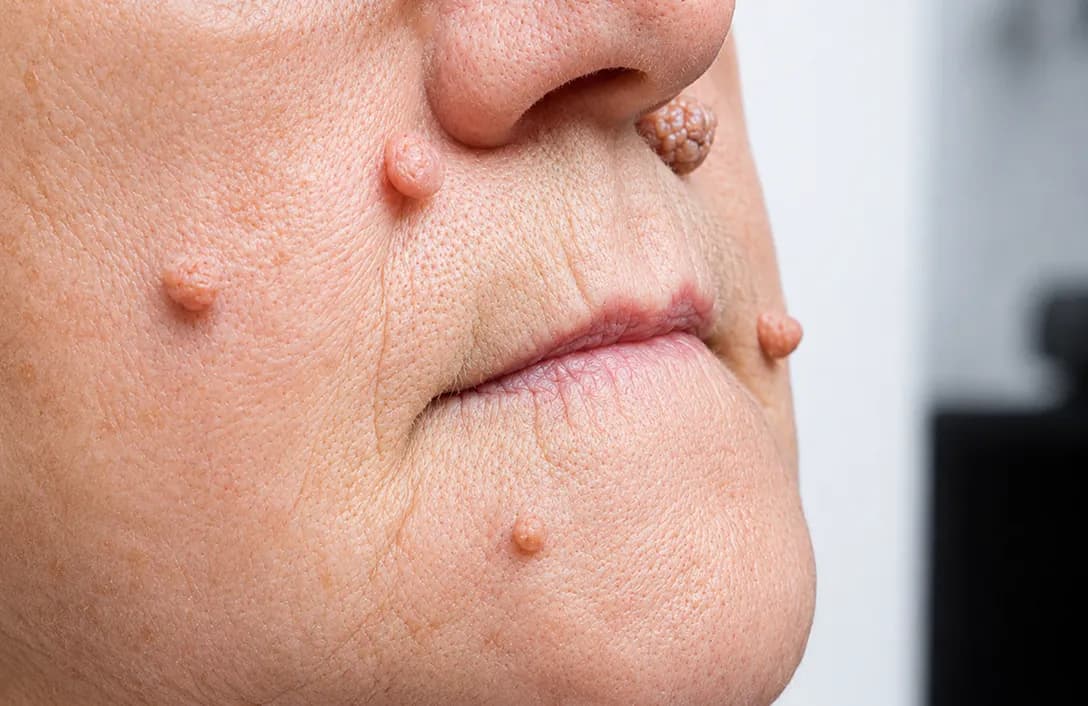



Benign Tumours: Diagnosis, Treatment and Supportive Care

Benign Tumours: Diagnosis, Treatment and Supportive Care

Supportive Care Alongside Your Benign Tumour Treatment

Book a Consultation

What Is a Benign Tumour?

What Is a Benign Tumour?

A diagnosis can bring many questions at once. Let us begin with the basics.

A benign tumour is a non-cancerous growth that does not invade nearby tissues or spread to distant parts of the body. However, benign does not always mean harmless. Symptoms depend on the tumour’s type, size and location. A growth may cause problems by pressing on the brain, nerves, organs or blood vessels, while some hormone-producing tumours can disrupt normal body functions. Many benign tumours grow slowly, and some remain stable without causing significant symptoms. Management may involve monitoring or treatment depending on the diagnosis, location, growth, symptoms and overall health. Accurate diagnosis and specialist follow-up help determine the most appropriate approach.

Book a Consultation

How Are Benign Tumours Treated?

There is no single treatment for all benign tumours. Depending on the type and location of the tumour, your specialist may recommend monitoring, medicines, surgery or another procedure. Some benign tumours do not require immediate treatment.

Active Monitoring

Active Monitoring

If a tumour is small, slow-growing and not causing significant problems, your doctor may recommend regular follow-up appointments and imaging rather than immediate treatment. Monitoring allows your medical team to check for changes in the tumour or your symptoms and decide whether treatment becomes necessary.

Surgery

Surgery

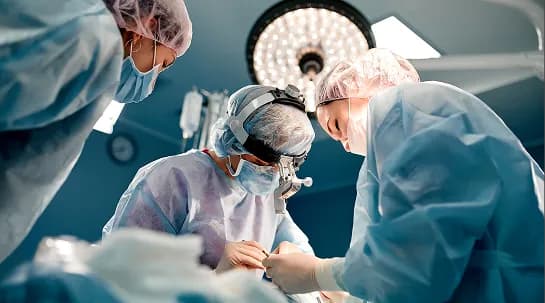
Surgery may be considered when a benign tumour is: Growing Causing significant symptoms Pressing on important structures Affecting normal organ or nerve function Otherwise considered unsuitable for continued monitoring Whether complete removal is possible or advisable depends on the tumour's type, size and location.

Medicines

Medicines

Medicines are useful for certain types of benign tumours. For example, some hormone-producing pituitary tumours may respond to medicines that control hormone production and, in selected cases, reduce tumour size. The appropriate medicine depends on the specific diagnosis.

Specialised Procedures

Specialised Procedures

Some benign tumours may be suitable for specialised or minimally invasive procedures. The options depend heavily on the type and location of the growth and should be discussed with the specialist managing your condition.

Radiation Therapy

Radiation Therapy

Radiation therapy is not routinely required for most benign tumours. It may, however, be considered for selected tumours when surgery is not appropriate, cannot completely remove the tumour, or when specialist assessment indicates that radiation is a suitable option. For most benign tumours, chemotherapy is not part of routine treatment.

Cancer Healer Center

Where Cancer Healer Therapy (CAM) Fits Into Your Care

Living with a benign tumour can involve more than the tumour itself. Some people undergo repeated scans, procedures, medicines, surgery, rehabilitation or prolonged follow-up. The uncertainty surrounding a diagnosis can also affect day-to-day wellbeing.

Cancer Healer Therapy (CAM) is offered as a herbal-based integrative supportive-care approach alongside the medical plan recommended by your treating specialist.

It is not intended to replace specialist assessment or established treatment for the tumour.

Continue all scans, consultations and follow-up appointments recommended by your specialist. Supportive care, if you choose to use it, should form part of your broader health plan rather than replacing medical surveillance.

Types of Benign Tumours

Benign tumours can develop in many different tissues. The exact tumour type helps determine whether monitoring or treatment is appropriate.

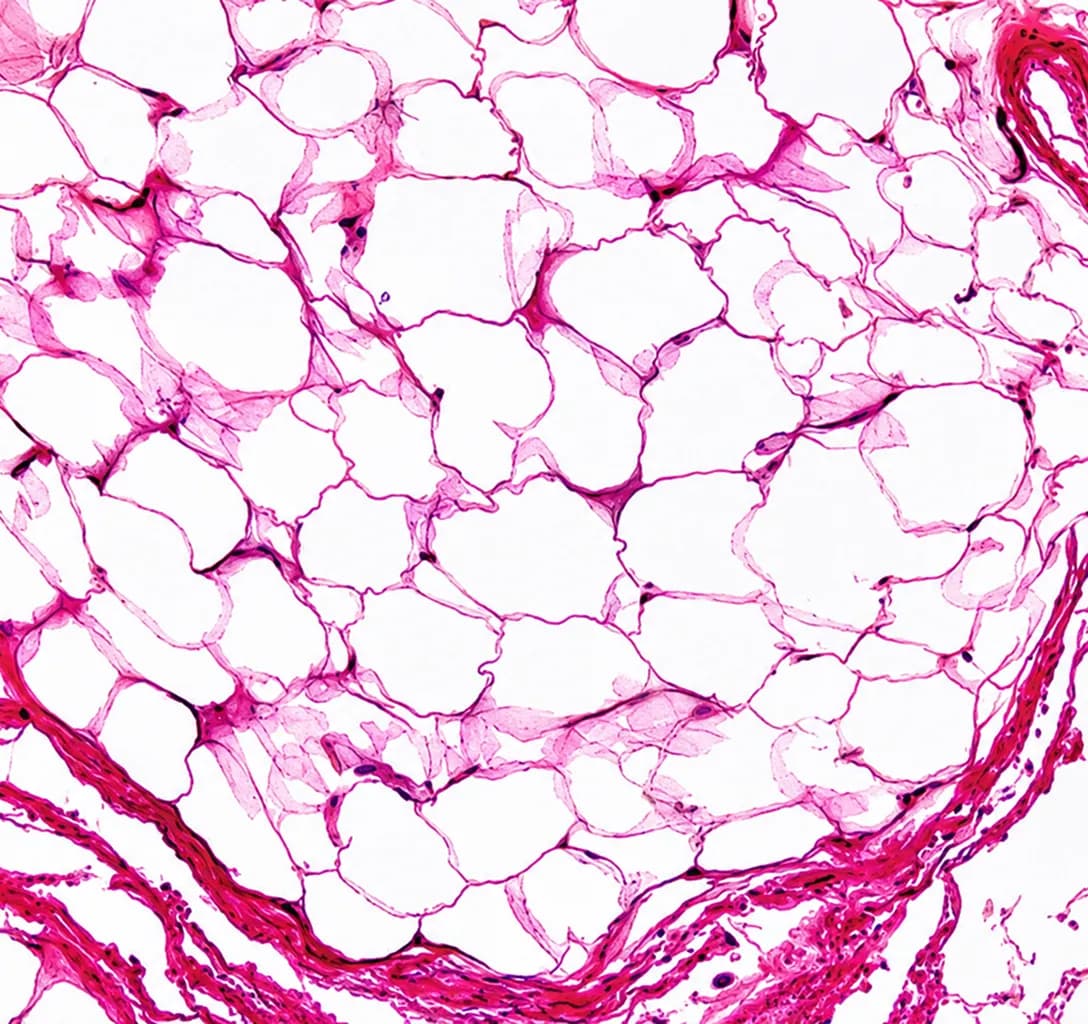
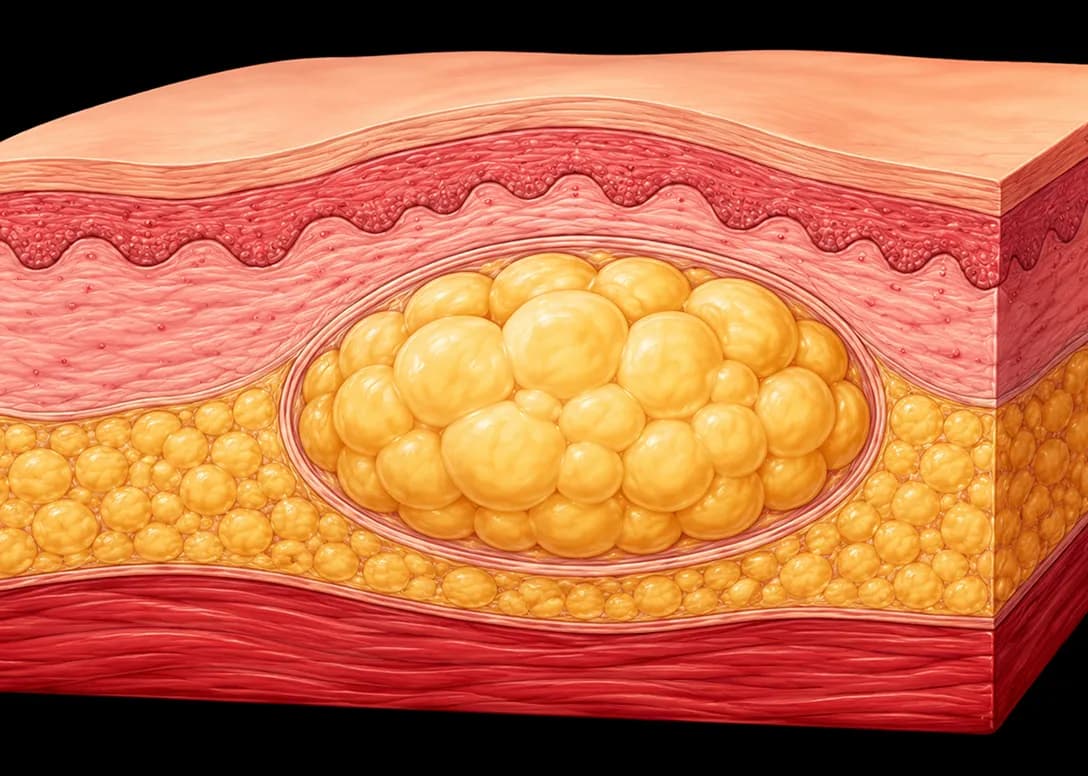
  • Lipomas: Fatty growths that commonly develop beneath the skin and often do not require treatment unless they cause symptoms or enlarge.
  • Fibromas and fibroids: Benign growths arising from fibrous or smooth-muscle tissue. Uterine fibroids are a common example.
  • Adenomas: Growths arising from glandular tissue; some can produce hormones and cause symptoms.
  • Meningiomas: Tumours arising from membranes surrounding the brain and spinal cord.
  • Schwannomas: Growths developing from cells associated with certain nerves.
  • Haemangiomas: Benign growths involving blood vessels.
Types
Your Journey With Cancer Healer Center

Your Journey With Cancer Healer Center

Here’s exactly what happens from your first conversation with us to ongoing support during treatment.

01

Initial Consultation

Your diagnosis, symptoms, available medical reports and the monitoring or treatment plan already recommended by your specialist are reviewed.

02

Health and Treatment Review

Relevant information may include your tumour type and location, symptoms, medical history, current medicines, supplements and overall health.

03

Supportive-Care Planning

If supportive care is appropriate, the plan is developed around, not instead of, the medical care you are already receiving.

04

Ongoing Review

Your supportive-care plan may need to change if your symptoms, medicines, surgery, rehabilitation or specialist treatment changes.

05

Care Coordination

Keep both your treating specialist and supportive-care team informed about medicines, herbal preparations and supplements you use so potential interactions can be considered.

Cancer Healer Center

Why Choose Cancer Healer Center

Meet Dr. Tarang Krishna, MD - Cancer Healer Center

Dr. Tarang Krishna has spent over two decades developing and refining Cancer Healer Therapy, working with a multidisciplinary team across 30+ centres in India.

His work has been recognised for innovative cancer care and brings a coordinated, supportive approach to every patient journey.

Dr Tarang Krishna
Patient Experiences

Stories Shared by Patients and Families

Every cancer journey is personal. Read experiences shared by patients and families about the consultations, communication, follow-up and support they received at Cancer Healer Center.

Google

4.9 Stars | 5479 Reviews

Rated 5 out of 5 stars
  • Patient iconPancreatic Cancer

    I'm incredibly grateful to the team at Cancer Healer Center! 🌟 Their compassionate approach, cutting-edge treatments, and personalized care made all the difference in my uncle's journey. The doctors and staff were supportive, transparent, and truly invested in my well-being. Thanks to their expertise, I'm on the road to recovery.

    ASAshish SinhaChandigarh
  • Patient iconBlood Cancer

    Cancer Healer Center is one of the best cancer treatment clinic in Chandigarh. The staff is compassionate, the doctors explain everything clearly, and the environment is very comforting for patients and families. Their unique treatment approach focuses on strengthening immunity along with medical support. I have deep respect for the entire team, and I’m extremely satisfied with the care and professionalism here.

    AWAbhishek WaliaChandigarh
  • Patient icon

    I visited Cancer Healer Center at Juhu. I had a very good experience regarding my patient doubts. The doctor professionally explained all my concerns and clarified all the reports clearly. The staff was also polite and supportive. Highly recommend this center.

    AAAnsari AqsaMumbai
FAQs

Frequently Asked Questions

No. A benign tumour is non-cancerous and generally does not invade surrounding tissues or spread to distant parts of the body in the way cancer can.
However, a benign tumour can still cause significant health problems because of its size, location, hormone production or pressure on surrounding structures.