Cancer healer

Warthin’s Tumour: Symptoms, Diagnosis and Treatment

At Cancer Healer Center, we provide personalised supportive integrative care designed around your individual needs and coordinated alongside specialist-led monitoring, surgery and recovery.

Book a Consultation

Full Name
Phone
Email
Message
Cancer healer

About Warthin’s Tumour

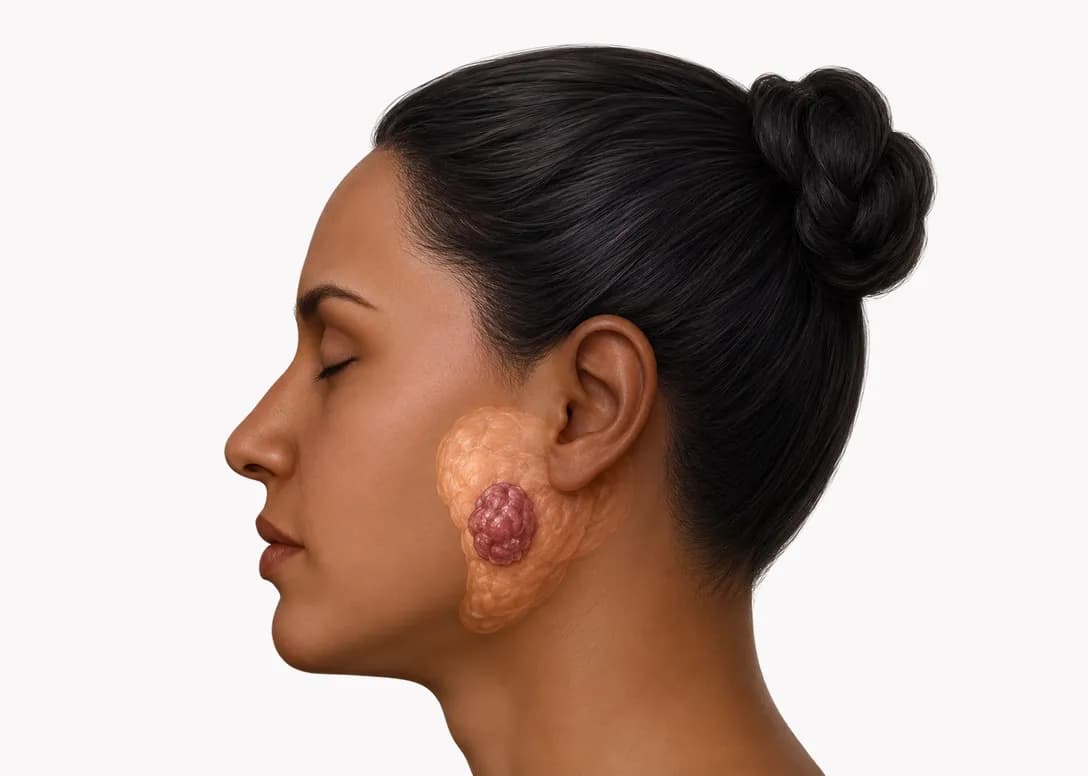
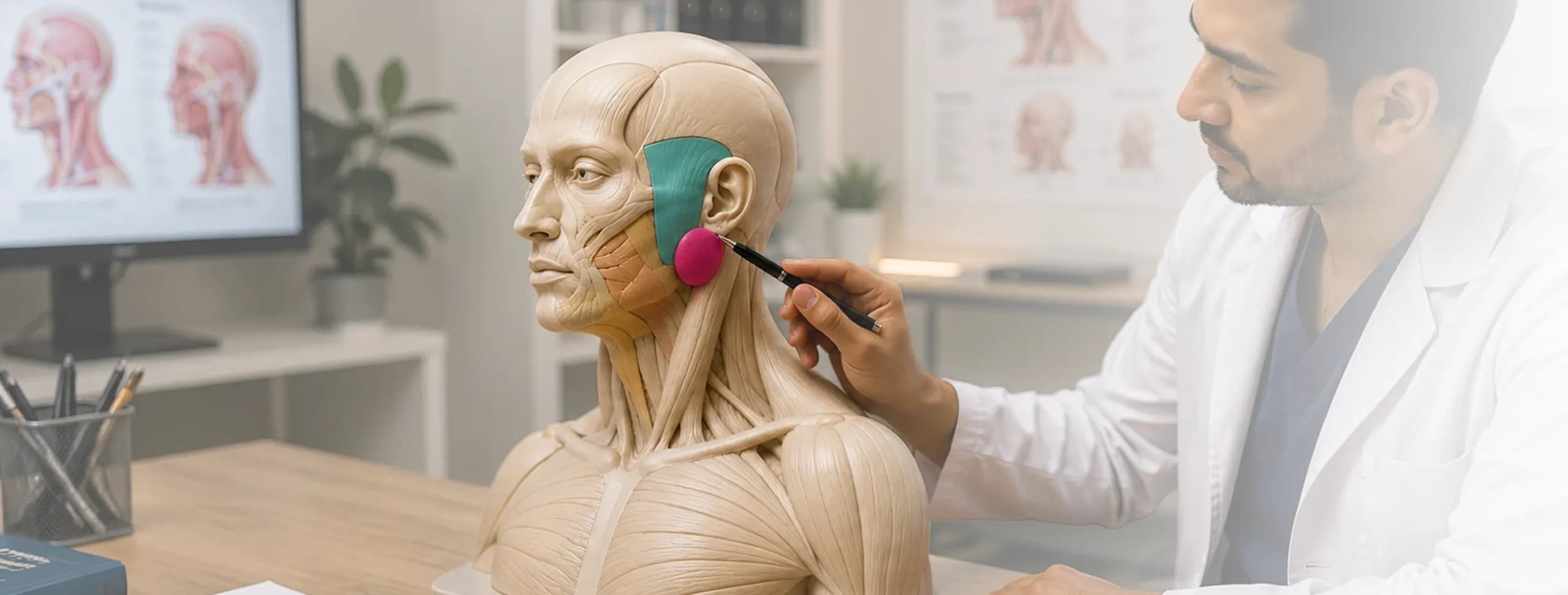
Warthin’s tumour is a benign, non-cancerous growth that develops most commonly in the parotid gland, a major salivary gland located near the ear. It usually grows slowly and often appears as a painless lump. Some people may develop more than one tumour or have tumours affecting both parotid glands. Smoking is strongly associated with Warthin’s tumour, although its exact cause is not fully understood. Malignant transformation is extremely rare. Diagnosis generally involves clinical examination, imaging and fine-needle aspiration when appropriate. Management may include active surveillance or surgery, depending on diagnostic certainty, symptoms, tumour characteristics, overall health and individual preferences. Specialist follow-up is important when surveillance is chosen.

Book a Consultation

Understanding Warthin’s Tumour Management

Management depends on diagnostic certainty, symptoms, tumour characteristics, overall health and individual preferences. Your ENT or head and neck specialist may recommend active surveillance or surgery.

Rectangle 59

Clinical Assessment and Imaging

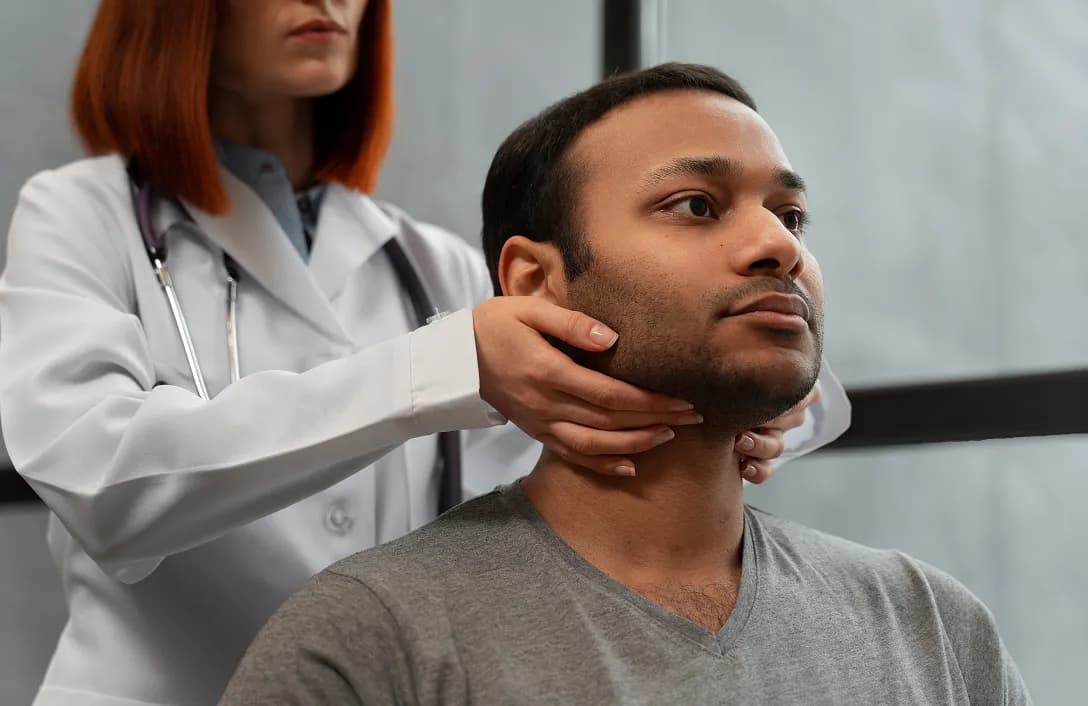
Clinical examination assesses the lump, surrounding structures and facial nerve function. Because Warthin’s tumours can occur on both sides, the opposite parotid gland may also be examined. Ultrasound is commonly used to assess a salivary gland mass. CT or MRI may be recommended when more information about the tumour’s location or surrounding structures is required.

Cancer healer

Fine-Needle Aspiration

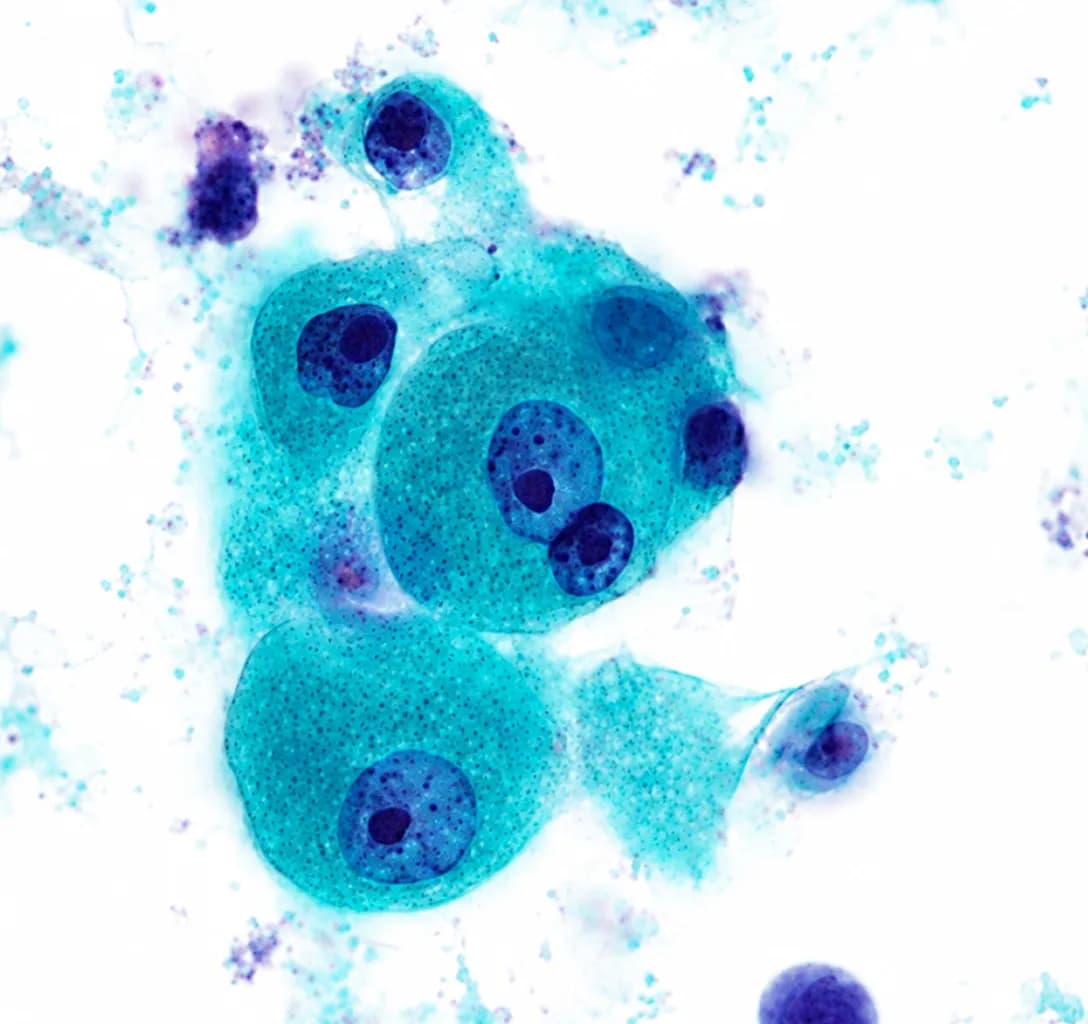
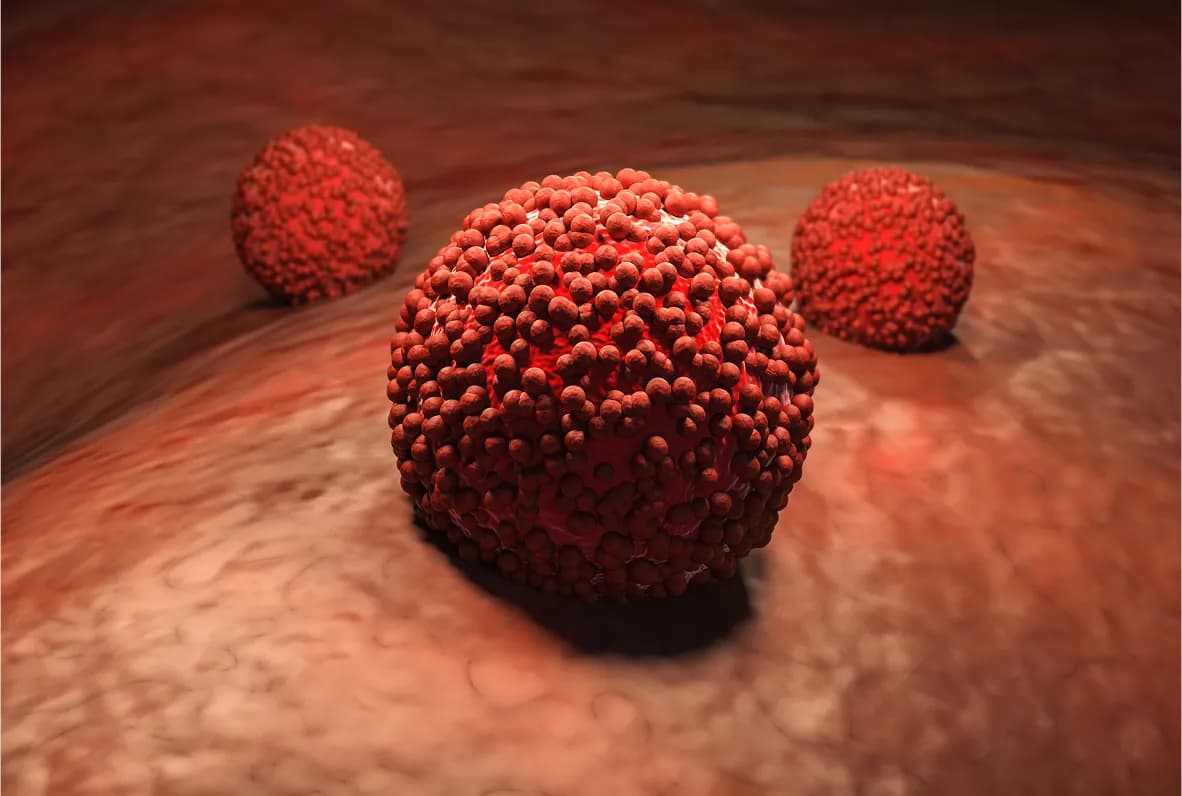
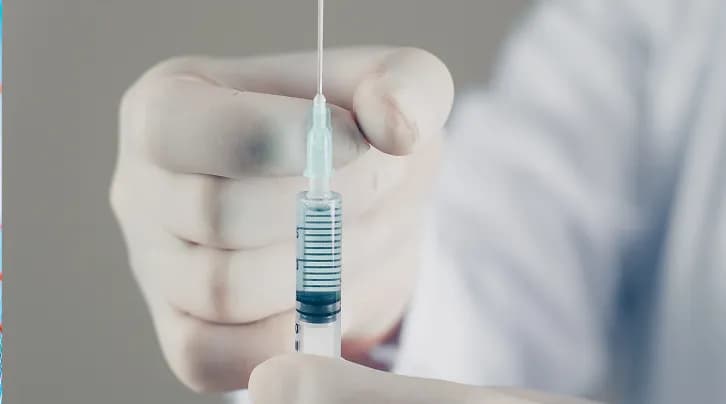
Fine-needle aspiration collects a small sample of cells to support the diagnosis. Specialists consider clinical, imaging and cytology findings together when determining how reliable the diagnosis is.

Cancer healer

Active Surveillance

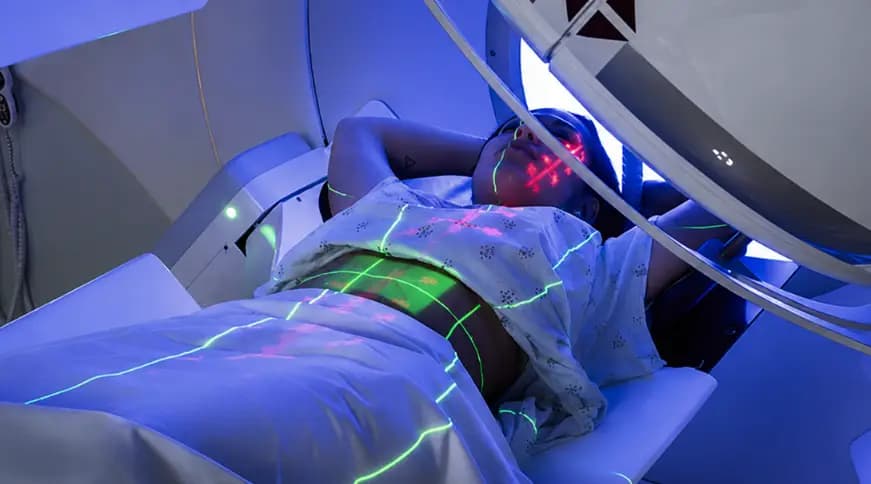
Selected patients with a reliable diagnosis and no significant symptoms may be monitored without immediate surgery. Follow-up may include specialist examinations and imaging to monitor the tumour.

Cancer healer

Surgery

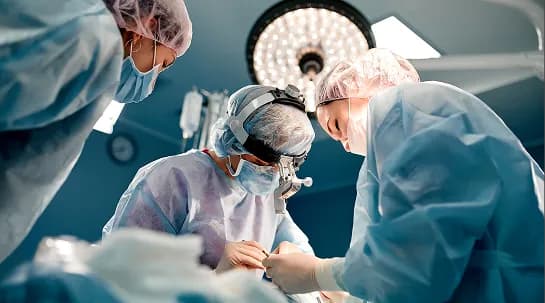
Surgery may be considered when the diagnosis is uncertain, symptoms or significant cosmetic concerns develop, or the patient prefers removal after specialist discussion. Because the facial nerve passes through the parotid gland, its relationship to the tumour is an important consideration when planning surgery.

Cancer Healer Center

How Cancer Healer Therapy Supports Your Care

At Cancer Healer Center, Cancer Healer Therapy (CAM) provides personalised supportive integrative care based on your individual needs, current health and specialist-led management plan.

Our approach considers nutrition, appetite, sleep, emotional wellbeing and day-to-day wellbeing based on individual supportive-care needs. Support can be adapted depending on whether you are undergoing active surveillance, preparing for surgery or recovering after a procedure.

If your specialist recommends active surveillance, our team can support your general wellbeing while you continue the examinations and imaging advised by your treating specialist.

When surgery is planned, supportive-care discussions may consider nutrition, sleep, general wellbeing, current medicines and supplements while you prepare for the procedure.

Following surgery, support can be adapted around nutrition, appetite, sleep, comfort and general wellbeing while you continue to follow your surgeon’s postoperative instructions.

Cancer Healer Therapy works alongside the care recommended by your ENT or head and neck specialist. It does not replace or delay diagnostic testing, specialist monitoring or surgery when these are recommended. Tell your treating doctors about herbal medicines, supplements or special diets you use, particularly before surgery. Some products may interact with medicines or affect bleeding, anaesthesia or recovery.

Warthin’s tumour does not have conventional types in the same way as many cancers. Instead, specialists may describe its clinical pattern. Most tumours develop in the parotid gland, often near its lower portion, and affect one side. Some people develop tumours in both parotid glands, while others have multifocal disease, meaning more than one tumour is present within a gland. Rarely, Warthin tumours may occur outside the parotid region. These patterns, together with examination, imaging and cytology findings, help specialists assess the diagnosis and determine whether monitoring or treatment is appropriate.

Cancer healer
Cancer healer

Your Journey With Cancer Healer Center

Here’s exactly what happens from your first conversation with us to ongoing support during treatment.

01

Personalised Consultation:

We discuss your diagnosis, symptoms, imaging, cytology or pathology findings, current concerns and specialist management plan.

02

Comprehensive Assessment:

Our team considers your general wellbeing, nutrition, medicines, existing medical conditions and supportive-care needs.

03

Individualised Supportive-

Care Plan: A personalised Cancer Healer Therapy plan is developed around your needs and the surveillance, surgical or recovery plan recommended by your specialist.

04

Safety and Coordination:

Current medicines, herbal products, supplements and special diets are reviewed as part of the supportive-care discussion, with an emphasis on keeping your treating medical team informed.

05

Ongoing Support:

Your supportive-care plan can be reviewed as your wellbeing, specialist findings, monitoring or recovery needs change.

06

Dedicated Coordinator:

A consistent point of contact helps with appointments and follow-up communication throughout your journey with the Cancer Healer Center.

Cancer Healer Center

Why Choose Cancer Healer Center

Meet Dr. Tarang Krishna, MD - Cancer Healer Center

Dr. Tarang Krishna has spent over two decades developing and refining Cancer Healer Therapy, working with a multidisciplinary team across 30+ centres in India.

His work has been recognised for innovative cancer care and brings a coordinated, supportive approach to every patient journey.

Dr Tarang Krishna
Patient Experiences

Stories Shared by Patients and Families

Every cancer journey is personal. Read experiences shared by patients and families about the consultations, communication, follow-up and support they received at Cancer Healer Center.

Google

4.9 Stars | 5479 Reviews

Rated 5 out of 5 stars
  • Patient iconPancreatic Cancer

    I'm incredibly grateful to the team at Cancer Healer Center! 🌟 Their compassionate approach, cutting-edge treatments, and personalized care made all the difference in my uncle's journey. The doctors and staff were supportive, transparent, and truly invested in my well-being. Thanks to their expertise, I'm on the road to recovery.

    ASAshish SinhaChandigarh
  • Patient iconBlood Cancer

    Cancer Healer Center is one of the best cancer treatment clinic in Chandigarh. The staff is compassionate, the doctors explain everything clearly, and the environment is very comforting for patients and families. Their unique treatment approach focuses on strengthening immunity along with medical support. I have deep respect for the entire team, and I’m extremely satisfied with the care and professionalism here.

    AWAbhishek WaliaChandigarh
  • Patient icon

    I visited Cancer Healer Center at Juhu. I had a very good experience regarding my patient doubts. The doctor professionally explained all my concerns and clarified all the reports clearly. The staff was also polite and supportive. Highly recommend this center.

    AAAnsari AqsaMumbai
FAQs

Frequently Asked Questions

No. Warthin’s tumour is a benign, non-cancerous salivary gland tumour. Malignant transformation is extremely rare.

It develops most commonly in the parotid gland, particularly around the lower portion of the gland near the ear.

The exact cause is not fully understood. Smoking has a strong association with Warthin’s tumour, but this does not mean smoking caused the tumour in every individual patient.

Yes. Warthin’s tumour can affect both parotid glands and can also be multifocal, meaning more than one tumour may develop.

No. Selected patients with a reliable diagnosis and no significant symptoms may undergo active surveillance. Surgery may be considered when the diagnosis is uncertain, symptoms or significant cosmetic concerns develop, or the patient prefers removal after specialist discussion.

Diagnosis may involve clinical examination, imaging and fine-needle aspiration cytology. Ultrasound is commonly used, while CT or MRI may provide additional information when needed.

Yes. Warthin’s tumours can grow, although they are often slow-growing and individual growth rates vary. Patients undergoing surveillance require appropriate specialist follow-up.

A later Warthin’s tumour does not necessarily represent recurrence. Because these tumours can be multifocal, a new lump may represent another Warthin’s tumour and should be medically assessed.

No. Cancer Healer Therapy is supportive integrative care. It should not replace or delay diagnostic testing, specialist follow-up, active surveillance or surgery recommended by your treating specialist.

Tell your treating doctor about all herbal medicines and supplements you use, particularly if surgery is planned. Some products may interact with medicines or affect bleeding, anaesthesia or recovery.

Contact your ENT or head and neck specialist promptly if the lump enlarges rapidly or you develop persistent pain, facial weakness or numbness, skin changes over the swelling, or other new concerning symptoms.