
Supportive Care for Every Step of Your Sarcoma Treatment

Supportive Care for Every Step of Your Sarcoma Treatment

From diagnosis and specialist biopsy planning to surgery, systemic treatment, rehabilitation and long-term follow-up, experience care that considers your strength, movement, comfort, nutrition and overall wellbeing.

Book a Consultation

About Sarcoma

About Sarcoma

A sarcoma diagnosis can bring many questions at once. Let us begin with the basics.

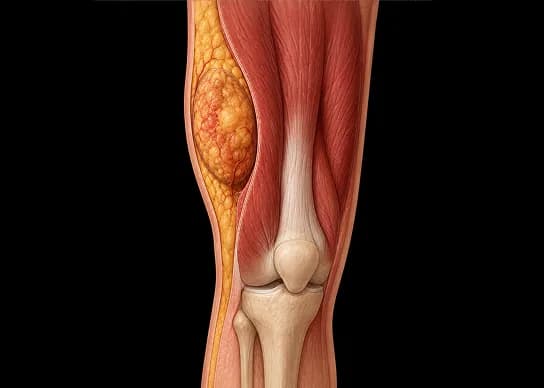
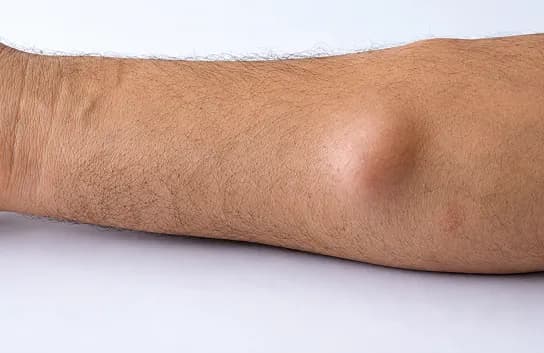
Sarcoma is a group of cancers that develop in connective and supporting tissues, including muscle, fat, blood vessels, nerves and other soft tissues. Sarcomas are broadly classified as soft-tissue sarcomas or primary bone sarcomas. This page focuses mainly on adult soft-tissue sarcoma, as bone and childhood sarcomas follow different treatment pathways. Soft-tissue sarcomas can develop almost anywhere, including the arms, legs, abdomen, retroperitoneum, trunk, head and neck. Most soft-tissue lumps are not sarcomas, but a growing, deep, firm, recurrent or larger lump needs medical assessment. Diagnosis usually involves imaging, a carefully planned core biopsy and specialist pathology review to identify the exact sarcoma subtype.

Book a Consultation

Understanding Conventional Sarcoma Treatments

Sarcoma treatment should ideally be planned by a multidisciplinary team experienced in sarcoma.

Why Biopsy Planning Matters

Why Biopsy Planning Matters

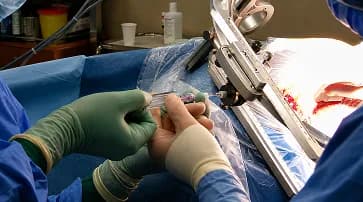
Imaging is usually completed before biopsy. The biopsy route should be planned so that the needle track can be removed during definitive surgery. An unplanned biopsy or minor operation to remove a suspicious lump may contaminate additional tissue and make later surgery more extensive.
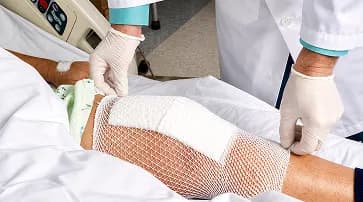
Surgery

Surgery

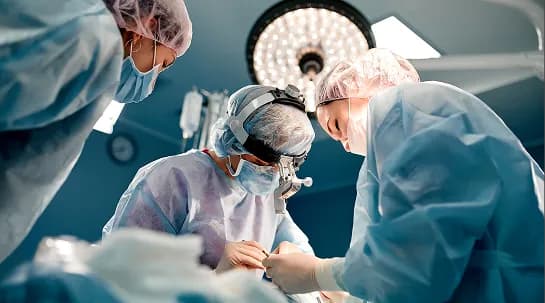
Wide surgical excision is the main treatment for most localised soft-tissue sarcomas. The surgeon removes: The tumour The biopsy track A planned surrounding margin The goal is complete removal without cutting into or breaking apart the tumour.

Limb-Sparing Surgery

Limb-Sparing Surgery

Most sarcomas of an arm or leg can be treated without removing the entire limb. Surgery may involve removal and reconstruction of muscles, tendons, nerves, blood vessels, bone or joints. Amputation is required only in selected cases where adequate cancer removal or useful limb function cannot otherwise be achieved.

Radiation Therapy

Radiation Therapy

Radiation may be given before or after surgery for larger, deeper, higher-grade or higher-risk sarcomas. Preoperative radiation treats a smaller field but can increase wound-healing complications. Postoperative treatment may affect a larger area and contribute to long-term stiffness or swelling.

Systemic Treatment

Systemic Treatment

Chemotherapy is not required for every soft-tissue sarcoma. Doxorubicin is an important systemic medicine for many advanced adult sarcomas. Other medicines may include ifosfamide, gemcitabine, docetaxel, trabectedin, eribulin, dacarbazine or pazopanib depending on the exact subtype. Treatment must be selected according to the sarcoma diagnosis rather than treating every sarcoma in the same way.

Cancer Healer Center

How Cancer Healer Therapy (CAM) Supports You

Cancer Healer Therapy (CAM) is supportive integrative care used alongside treatment prescribed by your sarcoma oncology team, not instead of it.

The supportive plan may consider appetite, fatigue, sleep, mobility, emotional wellbeing and recovery after surgery, radiation or systemic treatment.

Herbal products and supplements may interact with chemotherapy, targeted medicines, immunotherapy, blood thinners, corticosteroids and surgical medicines. They may also affect liver, kidney or heart function, blood counts, blood pressure, bleeding and wound healing.

Support may begin before biopsy, surgery, chemotherapy or radiation, with attention to pain, mobility, nutrition, organ function, medicines and fertility concerns.

Types of Sarcoma

Soft-tissue sarcomas include many tumour types that differ in behaviour and treatment.

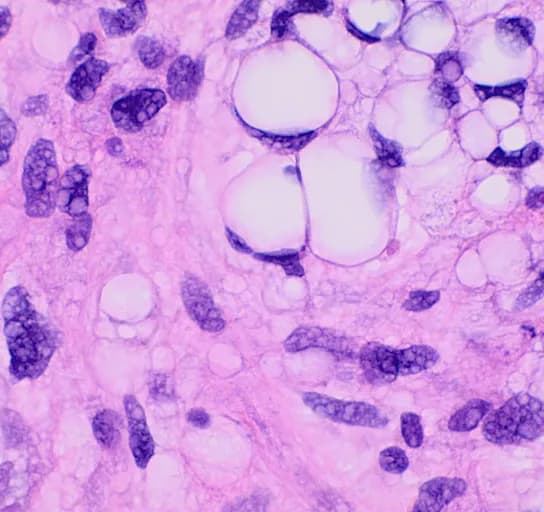
  • Liposarcoma: Develops from fat-forming tissue.
  • Leiomyosarcoma: Develops from smooth muscle.
  • Undifferentiated pleomorphic sarcoma: A high-grade sarcoma without a more specific line of differentiation.
  • Synovial sarcoma: Often affects adolescents and younger adults.
  • Malignant peripheral nerve sheath tumour: Develops from tissues surrounding peripheral nerves.
  • Angiosarcoma: Develops from blood or lymphatic vessels.
  • GIST: Develops in the gastrointestinal tract and follows a distinct treatment pathway.

The exact subtype, tumour location, grade and molecular features can influence treatment planning, expected behaviour and prognosis.

Types
Your Journey With Cancer Healer Center

Your Journey With Cancer Healer Center

Here’s exactly what happens from your first conversation with us to ongoing support during treatment.

01

Initial Consultation:

We discuss your pathology, imaging, symptoms and current or planned sarcoma treatment.

02

Comprehensive Assessment:

The team reviews subtype, grade, size, location, margins, stage, molecular findings, metastatic disease and treatment recommendations.

03

Personalised Cancer Healer Therapy (CAM) Plan:

Supportive care is developed around your surgery, radiation, systemic treatment or surveillance plan.

04

Safety and Coordination Review:

Herbal products, supplements and special diets should be disclosed to your treating team.

05

Active Monitoring and Adaptation:

The plan may be reviewed as symptoms, blood tests, imaging, wound healing and rehabilitation progress change.

06

Dedicated Coordinator:

One point of contact supports appointments and follow-up communication.

Cancer Healer Center

Why Choose Cancer Healer Center

Meet Dr. Tarang Krishna, MD - Cancer Healer Center

Dr. Tarang Krishna has spent over two decades developing and refining Cancer Healer Therapy, working with a multidisciplinary team across 30+ centres in India.

His work has been recognised for innovative cancer care and brings a coordinated, supportive approach to every patient journey.

Dr Tarang Krishna
Patient Experiences

Stories Shared by Patients and Families

Every cancer journey is personal. Read experiences shared by patients and families about the consultations, communication, follow-up and support they received at Cancer Healer Center.

Google

4.9 Stars | 5479 Reviews

Rated 5 out of 5 stars
  • Patient iconPancreatic Cancer

    I'm incredibly grateful to the team at Cancer Healer Center! 🌟 Their compassionate approach, cutting-edge treatments, and personalized care made all the difference in my uncle's journey. The doctors and staff were supportive, transparent, and truly invested in my well-being. Thanks to their expertise, I'm on the road to recovery.

    ASAshish SinhaChandigarh
  • Patient iconBlood Cancer

    Cancer Healer Center is one of the best cancer treatment clinic in Chandigarh. The staff is compassionate, the doctors explain everything clearly, and the environment is very comforting for patients and families. Their unique treatment approach focuses on strengthening immunity along with medical support. I have deep respect for the entire team, and I’m extremely satisfied with the care and professionalism here.

    AWAbhishek WaliaChandigarh
  • Patient icon

    I visited Cancer Healer Center at Juhu. I had a very good experience regarding my patient doubts. The doctor professionally explained all my concerns and clarified all the reports clearly. The staff was also polite and supportive. Highly recommend this center.

    AAAnsari AqsaMumbai
FAQs

Frequently Asked Questions

No. Sarcomas include both soft-tissue and primary bone cancers. This page mainly focuses on adult soft-tissue sarcoma.