
Banner

Supportive Care for Every Step of Your Malignant Mesothelioma Treatment

From your first decision to ongoing treatment and follow-up, experience care that considers your breathing, nutrition, comfort, strength and overall wellbeing.

Book a Consultation

About

About Malignant Mesothelioma

A diagnosis can bring many questions at once. Let us begin with the basics.

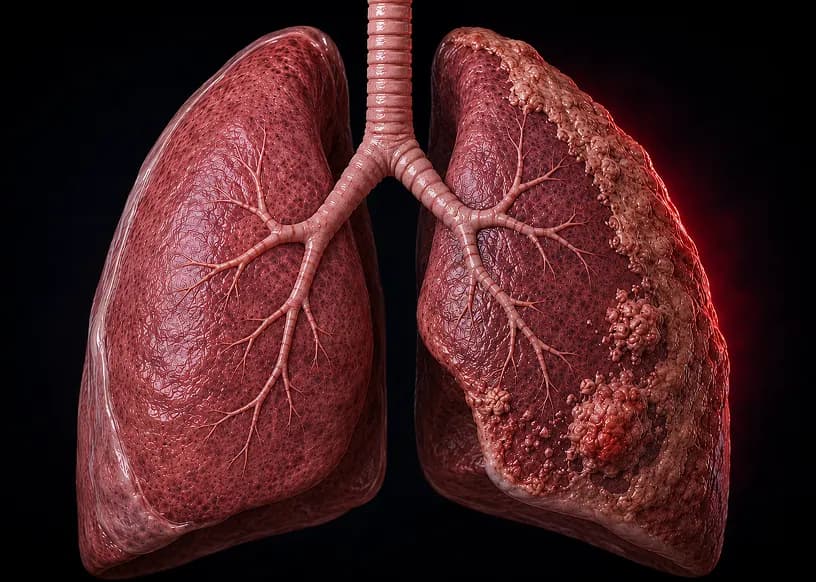
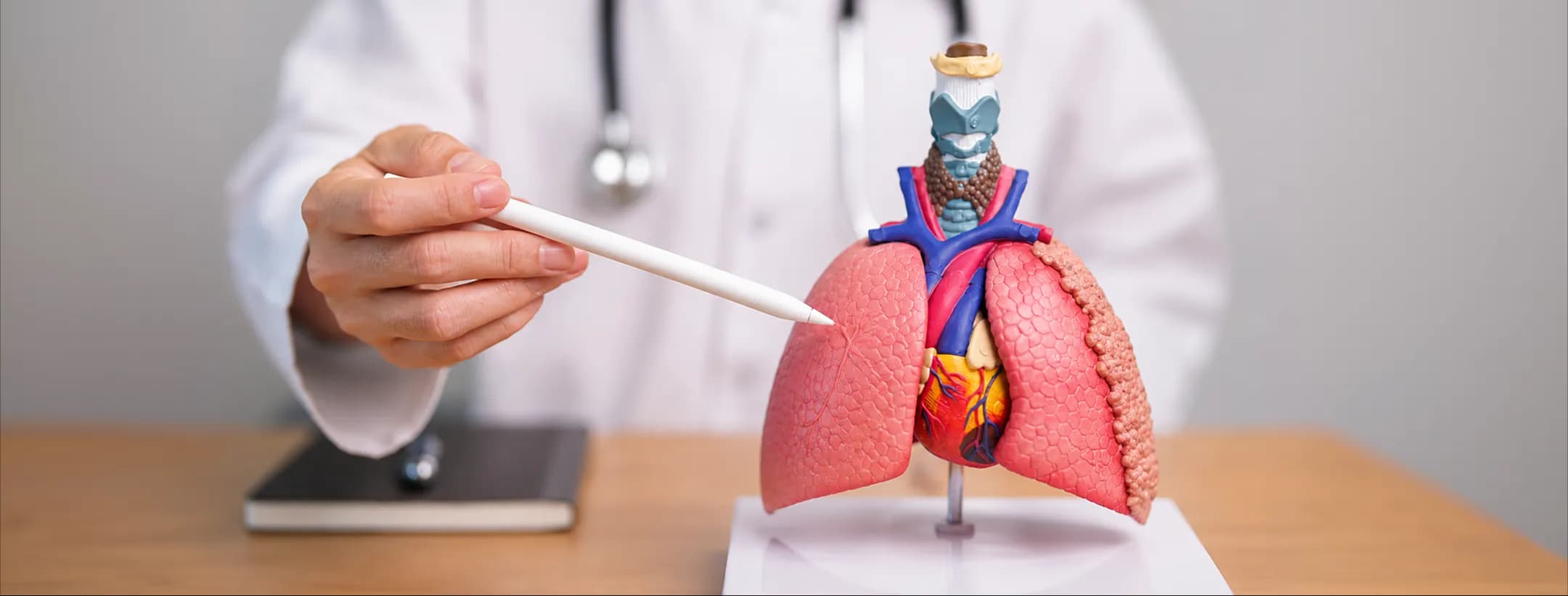
Malignant mesothelioma is a rare cancer that develops in the mesothelium, the thin tissue covering organs and body cavities. It commonly develops around the lungs, called pleural mesothelioma, or within the abdomen, called peritoneal mesothelioma. Rare forms can arise around the heart or testicle. Pleural mesothelioma develops around the lung rather than inside it, making it different from lung cancer. The strongest recognised risk factor is asbestos exposure, although some patients have no exposure history. Symptoms may include breathlessness, cough, chest pain, fluid around the lung, abdominal pain, swelling, reduced appetite or weight loss. Evaluation involves imaging, while biopsy is generally needed to confirm the cancer type.

Book a Consultation

Understanding Conventional Mesothelioma Treatments

Your oncology team may have discussed surgery, chemotherapy, immunotherapy, radiation therapy or procedures to manage fluid buildup. Treatment depends on the location, microscopic type, extent of disease, whether surgery is possible and your overall health.

Rectangle 55

Surgery

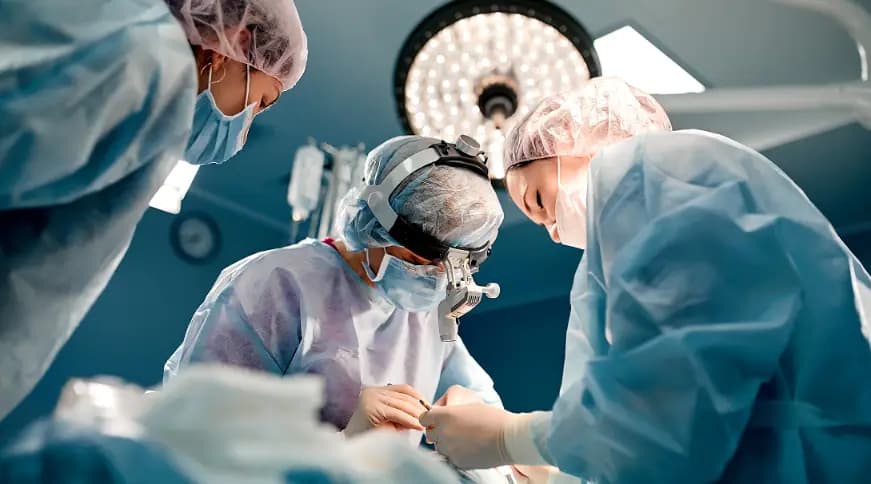
May be considered for carefully selected patients with potentially removable disease. Pleural procedures can include pleurectomy and decortication, which removes affected pleural tissue while preserving the lung. More extensive surgery is considered only in highly selected patients.
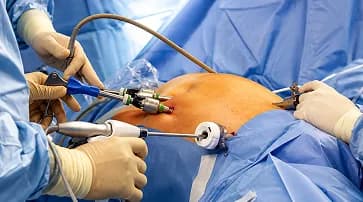

Surgery for Peritoneal Mesothelioma

Surgery for Peritoneal Mesothelioma

Selected patients may undergo cytoreductive surgery to remove visible abdominal disease. This may be combined with heated intraperitoneal chemotherapy, known as HIPEC.

breast-cancer02

Chemotherapy

A platinum medicine such as cisplatin or carboplatin may be combined with pemetrexed for disease requiring systemic treatment.

breast-cancer07

Immunotherapy

May be used for unresectable malignant pleural mesothelioma. Treatment options can include immunotherapy combinations or immunotherapy given with chemotherapy, depending on the individual case.

Rectangle 59

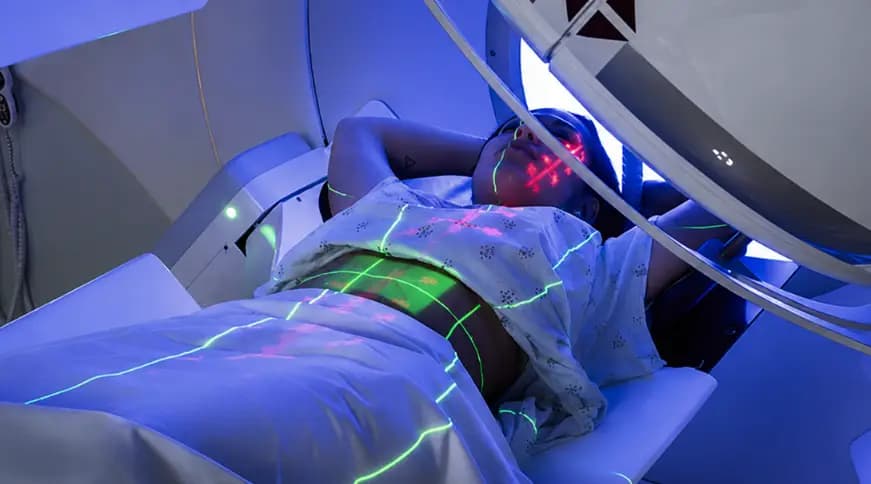
Radiation Therapy

May help control local disease, relieve pain or manage selected areas of recurrence or spread.

Procedures to Manage Fluid Buildup

Procedures to Manage Fluid Buildup

Mesothelioma may cause fluid around the lungs or within the abdomen. Drainage, pleural catheters or pleurodesis may improve breathing and comfort.

Cancer Healer Center

How Cancer Healer Therapy (CAM) Supports You

Cancer Healer Therapy (CAM) is supportive integrative care used alongside the treatment prescribed by your oncologist, not instead of it.

The supportive plan may consider appetite, fatigue, sleep, emotional wellbeing and the practical difficulties caused by breathing or abdominal symptoms.

Herbal products and supplements can interact with chemotherapy, immunotherapy and other medicines, so every product should be discussed with the treating oncologist or oncology pharmacist.

Support may begin before surgery, chemotherapy, immunotherapy or radiation, with attention to breathing or abdominal symptoms, appetite, weight, strength and existing medical conditions.

Types of Malignant Mesothelioma

Mesothelioma is classified by where it develops and by how its cells appear under a microscope.

  • Pleural mesothelioma: Develops in the lining around the lungs and is the most common type.
  • Peritoneal mesothelioma: Develops in the abdominal lining and may cause fluid buildup, pain or swelling.
  • Pericardial mesothelioma: A very rare type that develops in the lining around the heart.
  • Tunica vaginalis mesothelioma: A very rare type that develops in tissue surrounding a testicle.
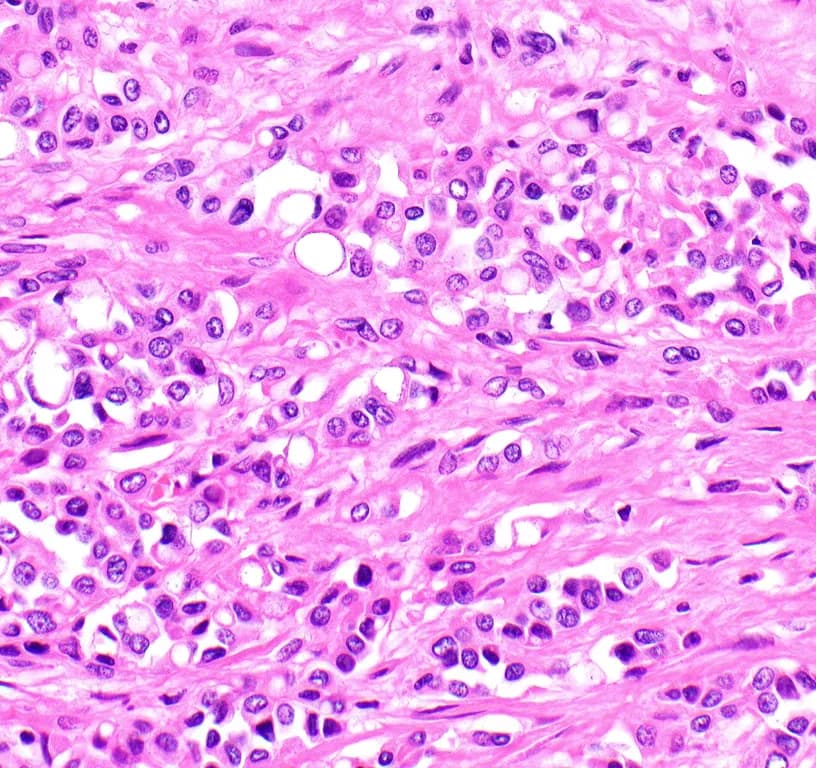
  • Histological types: Epithelioid is the most common; sarcomatoid generally behaves more aggressively; biphasic contains both cell types.
Types
Your Journey With Cancer Healer Center

Your Journey With Cancer Healer Center

Here’s exactly what happens from your first conversation with us to ongoing support during treatment.

01

Initial Consultation

We discuss your diagnosis, biopsy report, scans, symptoms, asbestos exposure history and current or planned oncology treatment.

02

Comprehensive Assessment

The team reviews: Whether the cancer is pleural, peritoneal or another rare form The histological subtype The cancer’s stage or extent Whether surgery is being considered Planned chemotherapy, immunotherapy or radiation therapy Current breathing or abdominal symptoms Fluid buildup and drainage procedures Appetite and body weight Existing lung, heart or kidney conditions Current medicines and supplements Emotional and practical needs

03

Personalised Cancer Healer Therapy (CAM) Plan

The supportive plan is developed around the conventional treatment you are already receiving or preparing to begin.

04

Safety and Coordination Review

All herbal products, supplements, special diets and complementary practices should be disclosed to the treating oncologist so that possible interactions and contraindications can be reviewed.

05

Active Monitoring and Adaptation

The supportive plan is reviewed as treatment progresses and may be adjusted according to symptoms, nutrition, laboratory results, scans, treatment effects and changes made by the oncology team.

06

Dedicated Coordinator

You receive one point of contact for appointments, follow-up discussions and communication related to your supportive-care plan.

Cancer Healer Center

Why Choose Cancer Healer Center

Meet Dr. Tarang Krishna, MD - Cancer Healer Center

Dr. Tarang Krishna has spent over two decades developing and refining Cancer Healer Therapy, working with a multidisciplinary team across 30+ centres in India.

His work has been recognised for innovative cancer care and brings a coordinated, supportive approach to every patient journey.

Dr Tarang Krishna
Patient Experiences

Stories Shared by Patients and Families

Every cancer journey is personal. Read experiences shared by patients and families about the consultations, communication, follow-up and support they received at Cancer Healer Center.

Google

4.9 Stars | 5479 Reviews

Rated 5 out of 5 stars
  • Patient iconPancreatic Cancer

    I'm incredibly grateful to the team at Cancer Healer Center! 🌟 Their compassionate approach, cutting-edge treatments, and personalized care made all the difference in my uncle's journey. The doctors and staff were supportive, transparent, and truly invested in my well-being. Thanks to their expertise, I'm on the road to recovery.

    ASAshish SinhaChandigarh
  • Patient iconBlood Cancer

    Cancer Healer Center is one of the best cancer treatment clinic in Chandigarh. The staff is compassionate, the doctors explain everything clearly, and the environment is very comforting for patients and families. Their unique treatment approach focuses on strengthening immunity along with medical support. I have deep respect for the entire team, and I’m extremely satisfied with the care and professionalism here.

    AWAbhishek WaliaChandigarh
  • Patient icon

    I visited Cancer Healer Center at Juhu. I had a very good experience regarding my patient doubts. The doctor professionally explained all my concerns and clarified all the reports clearly. The staff was also polite and supportive. Highly recommend this center.

    AAAnsari AqsaMumbai
FAQs

Frequently Asked Questions

No. Lung cancer begins within the lung tissue or airways.

Pleural mesothelioma begins in the thin tissue surrounding the lungs and lining the chest cavity. The two cancers can cause similar symptoms but have different pathology, staging and treatment approaches.