
Surgery
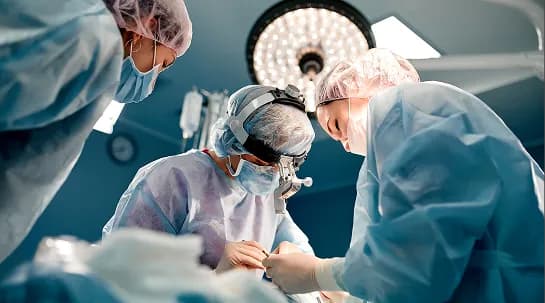
Surgery is the main treatment for most localised uterine sarcomas. A total hysterectomy removes the uterus and cervix. The aim is to remove the tumour completely and intact without cutting or disrupting it.


From diagnosis and treatment planning to surgery, recovery and long-term follow-up, experience care that considers your strength, nutrition, hormonal health, comfort and overall wellbeing.

A diagnosis can bring many questions at once. Let us begin with the basics.
Uterine sarcoma is a rare cancer that develops in the muscle or supporting tissues of the uterus. It differs from endometrial cancer, which begins in the uterine lining and is much more common. Major types include uterine leiomyosarcoma, low-grade and high-grade endometrial stromal sarcoma, undifferentiated uterine sarcoma and uterine adenosarcoma. Rare molecularly defined sarcomas can also occur. Symptoms may include abnormal vaginal bleeding, pelvic or abdominal pain or pressure, a pelvic mass or increasing abdominal size. Leiomyosarcoma can sometimes resemble a benign fibroid on imaging. The exact tumour type, stage, molecular features and specialist pathology findings are important for determining the most appropriate treatment approach.
Treatment should ideally be planned by a team experienced in both gynaecologic oncology and sarcoma because management differs considerably between subtypes.
Surgery is the main treatment for most localised uterine sarcomas. A total hysterectomy removes the uterus and cervix. The aim is to remove the tumour completely and intact without cutting or disrupting it.
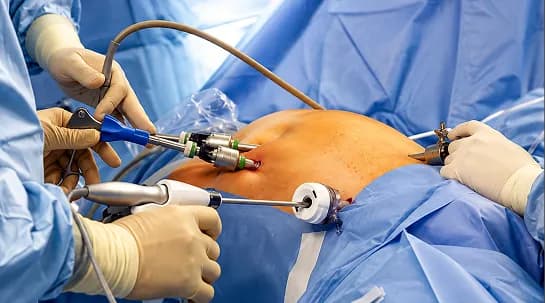
Morcellation breaks uterine tissue into smaller pieces for removal. It should be avoided when sarcoma is suspected because disruption of an unsuspected sarcoma may spread tumour cells within the abdomen, complicate staging and increase recurrence risk. If sarcoma is unexpectedly diagnosed after surgery for a presumed fibroid, expert pathology review, imaging and discussion of additional surgery or treatment may be required.
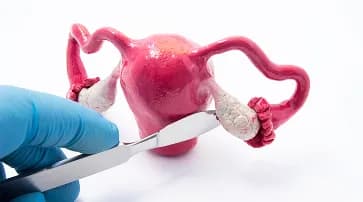
Removal of both ovaries and fallopian tubes is commonly considered in postmenopausal patients. Ovarian preservation may be possible for selected premenopausal patients with early-stage disease. The decision is especially important in hormone-sensitive cancers such as low-grade endometrial stromal sarcoma.
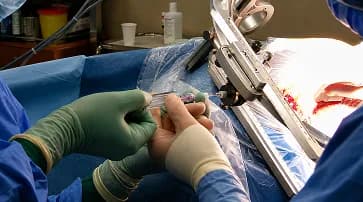
Routine removal of normal-looking lymph nodes is not recommended for most uterine sarcomas. Suspicious or enlarged nodes may be removed or sampled.
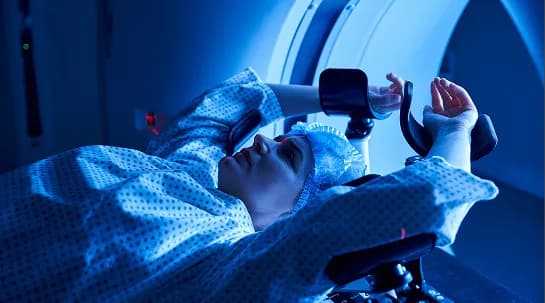
Advanced or recurrent leiomyosarcoma may be treated with medicines such as doxorubicin, gemcitabine with docetaxel, trabectedin, pazopanib or other sarcoma therapies. Low-grade endometrial stromal sarcoma is often hormone-receptor positive and may respond to aromatase inhibitors, progestins or ovarian suppression. Radiation may be used in selected higher-risk situations, for local recurrence or to control symptoms.
Cancer Healer Therapy (CAM) is supportive integrative care used alongside treatment prescribed by your gynaecologic and sarcoma oncology team, not instead of it.
The supportive plan may consider appetite, fatigue, sleep, emotional wellbeing, recovery after surgery and treatment-related discomfort.
Herbal medicines and supplements can interact with chemotherapy, hormone therapy, targeted medicines, blood thinners and surgical medicines.
Products marketed as supporting oestrogen or balancing female hormones may be particularly unsuitable for hormone-sensitive uterine sarcomas.
Support may begin before surgery, chemotherapy, hormone treatment or radiation, with attention to bleeding, pelvic symptoms, nutrition, organ function and current medicines.
Supportive care may focus on fatigue, appetite, nausea, bowel changes, pelvic discomfort, menopausal symptoms, sleep and emotional wellbeing.
Supportive care should not delay specialist pathology review, imaging, hysterectomy, systemic therapy, radiation or molecular testing.
Cancer Healer Therapy does not replace surgery, chemotherapy, hormone therapy, targeted treatment, radiation or surveillance.
Rare molecularly defined tumours, including NTRK-rearranged sarcomas, may have specific targeted treatment options in advanced disease.
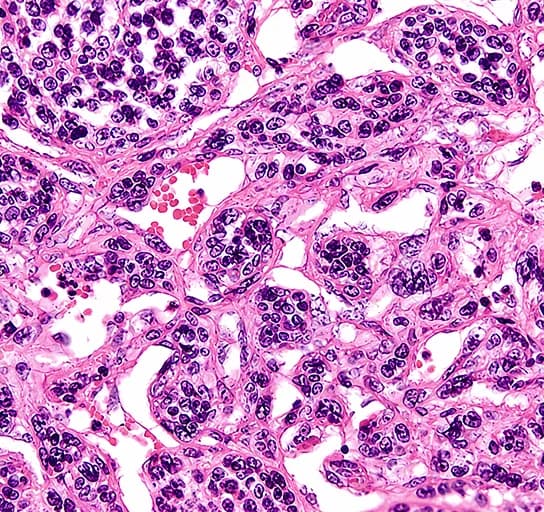
For leiomyosarcoma and endometrial stromal sarcoma, staging describes how far the cancer has spread.
Uterine adenosarcoma uses a separate staging system that also considers the depth of uterine muscle invasion. The oncology team determines the formal stage according to the specific uterine sarcoma subtype and clinical findings.
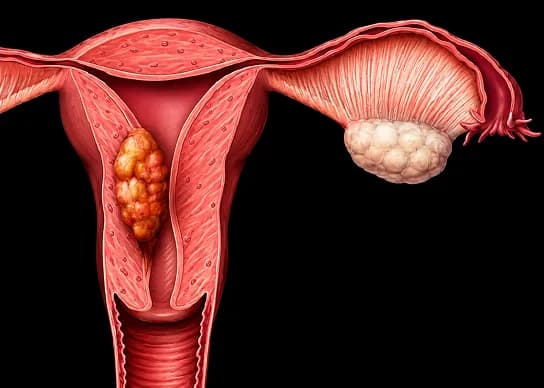
Possible signs and symptoms of uterine sarcoma include:
Advanced disease may cause persistent cough, breathlessness, unexplained weight loss or fatigue. These symptoms can have causes other than cancer, but postmenopausal bleeding, a new pelvic mass or persistent unexplained symptoms should always receive appropriate medical assessment.

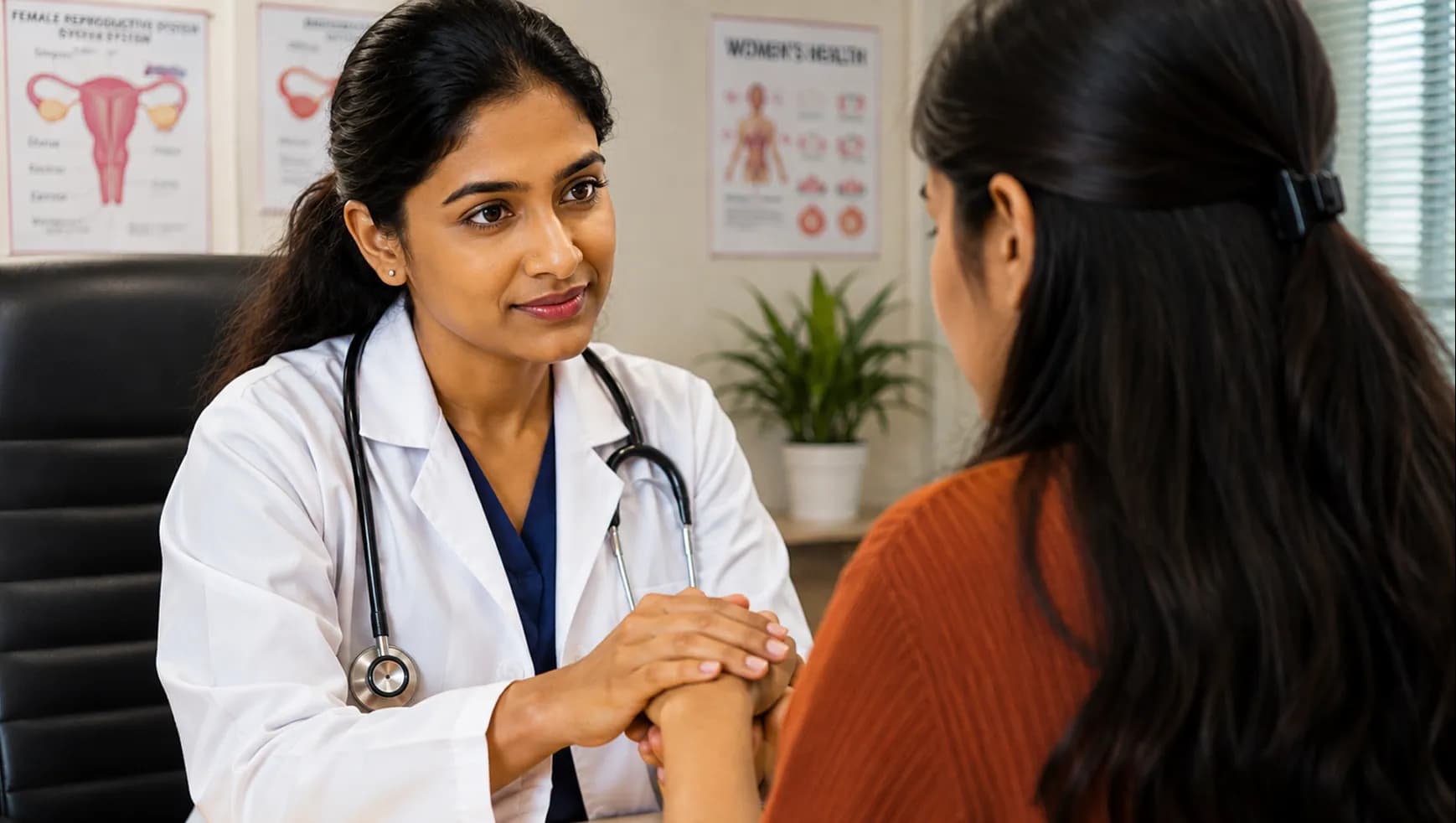
Here’s exactly what happens from your first conversation with us to ongoing support during treatment.
We discuss your diagnosis, pathology, scans, symptoms and current or planned treatment.
The team reviews the exact sarcoma subtype, stage, tumour size, margins, whether morcellation occurred, hormone receptors and molecular findings.
Supportive care is developed around your surgery, systemic treatment or surveillance plan.
Herbal products, supplements and special diets should be disclosed to your treating oncology team.
The plan may be reviewed as symptoms, imaging, organ function and treatment needs change.
One point of contact supports appointments and follow-up communication.

Meet Dr. Tarang Krishna, MD - Cancer Healer Center
Dr. Tarang Krishna has spent over two decades developing and refining Cancer Healer Therapy, working with a multidisciplinary team across 30+ centres in India.
His work has been recognised for innovative cancer care and brings a coordinated, supportive approach to every patient journey.

Every cancer journey is personal. Read experiences shared by patients and families about the consultations, communication, follow-up and support they received at Cancer Healer Center.

4.9 Stars | 5479 Reviews

 Pancreatic Cancer
I'm incredibly grateful to the team at Cancer Healer Center! 🌟 Their compassionate approach, cutting-edge treatments, and personalized care made all the difference in my uncle's journey. The doctors and staff were supportive, transparent, and truly invested in my well-being. Thanks to their expertise, I'm on the road to recovery.
Blood CancerCancer Healer Center is one of the best cancer treatment clinic in Chandigarh. The staff is compassionate, the doctors explain everything clearly, and the environment is very comforting for patients and families. Their unique treatment approach focuses on strengthening immunity along with medical support. I have deep respect for the entire team, and I’m extremely satisfied with the care and professionalism here.
I visited Cancer Healer Center at Juhu. I had a very good experience regarding my patient doubts. The doctor professionally explained all my concerns and clarified all the reports clearly. The staff was also polite and supportive. Highly recommend this center.
Great place with amazing facilities like a homey environment. Cancer Healer Centre's team is great and I really appreciate them. There is a lot of positivity among staff members, and the patients are always taken care of well.
I m feeling very pleased n thankful to all staff they guided us very gud...n provide me very positive guidence to fight wid cancer......thankyu so much for all staff n cancer healer center bhopal...very satisfied
Trustable medicine and Doctor and other staff are all very cooperative and helpful
I feels like a this treatment is extreme level of treatment or cancer and doctors behaviour is too good
I had a very positive experience at the cancer centre. The doctors and staff were extremely supportive, caring, and professional throughout the treatment journey. They explained everything patiently and made us feel comfortable and hopeful during a difficult time. The facilities were well-managed, and the overall environment was clean and compassionate. Truly grateful for the dedication and care provided by the entire team.
Our experince was so good.Doctor mam behaviour was so excellent .She discussed with us very politely .She also discussed with our patient on video call and motivated him for recovery. All the staff was so good and cooperative. I thank to all of them for their supporative behaviour
I have visited the cancer healer center chennai couple of days back the consultation was very good and the front office people are very cooperative I got complete information about treatment. Thanks to Cancer healer center and team.
Recently visited center, Consultation was good cleared all doubts about diseases. Front desk people were supportive through all process.
Visited for my father's treatment and had a great experience with Dr. Nimmy. She explained everything in detail and answered all our questions with so much kindness. Her warm approach and clear guidance gave us complete peace of mind. Highly recommended! May God bless them!....
Feeling comfortable and happy with the staff service. Really good care taken by them
As a new patient, I wasn’t sure what to expect, but the visit felt structured and well-organized. My questions were addressed with patience, and I didn’t feel dismissed at any point. The overall atmosphere was calm, which made it easier to talk openly.
My father having cancer tissue in hand. We visit this centre in Dehradun.This is very peaceful and satisfactory. Dr nature and behaviour was very good and satisfactory.
I visited nfc center for my relative. And consultation with doctor is very good. Staff ne kafi acha samjhaya hme....pre consultation bhi staff ne kafi kuch btaya .. information di about disease. Over all good experience.
I visited NFC CENTER. Doctor and the staff is very humble and knowledgable. My query were resolved. My friend's have a blood cancer so I searched on internet then I found about Cancer healer center. I started treatment and my friend is very motivated now and feeling good.
Very good hospitality and well behaved staff and the doctor also addressed all my queries with no doubts left behind... Looking forward to start the treatment with positive hope.
Today is my first visit to this place and i like the consultation of the doctor and behavior of the staff are very good and friendly
The doctors and staff are caring,professional,and always supportive. The overall service has been excellent and well managed . Thank yiu to the enture team for their dedication and care and improvement is seen in the paitent
My brother takeing the treatment at cancer healer center last six months, the pet scan report was came good result, center fellow up was very good
No. Endometrial cancer begins in the uterine lining. Uterine sarcoma begins in muscle or supporting tissues and has different treatment pathways.
Ordinary fibroids are not generally believed to transform into leiomyosarcoma. Sarcoma usually develops as a separate tumour.
No. MRI and specialist imaging can identify suspicious features, but pathology is often needed for a definite diagnosis.
Cutting an unsuspected sarcoma into pieces can spread tumour cells through the abdomen and make staging and treatment more difficult.
No. Surveillance is often appropriate after complete surgery for Stage I leiomyosarcoma. Additional treatment depends on subtype, stage and recurrence risk.
Hormone therapy is particularly important for hormone-receptor-positive low-grade endometrial stromal sarcoma and may also be used for selected hormone-sensitive leiomyosarcomas or adenosarcomas.
Yes. High-grade sarcomas may recur earlier, while low-grade stromal sarcoma may return many years later. Long-term follow-up is important.
Some localised uterine sarcomas can be cured with complete surgery. Outcomes depend on subtype, stage, grade, surgical margins and tumour biology.
No. Cancer Healer Therapy is supportive integrative care used alongside treatment prescribed by the sarcoma and gynaecologic oncology team. It should not replace or delay recommended treatment.
Only after discussing every product with your oncologist or oncology pharmacist. Some products may interfere with chemotherapy or hormone therapy, affect liver or kidney function, or increase bleeding and clotting risks.