

Watchful waiting:
Some people with symptom-free, stable CLL may be monitored with regular examinations and blood tests rather than treated immediately.

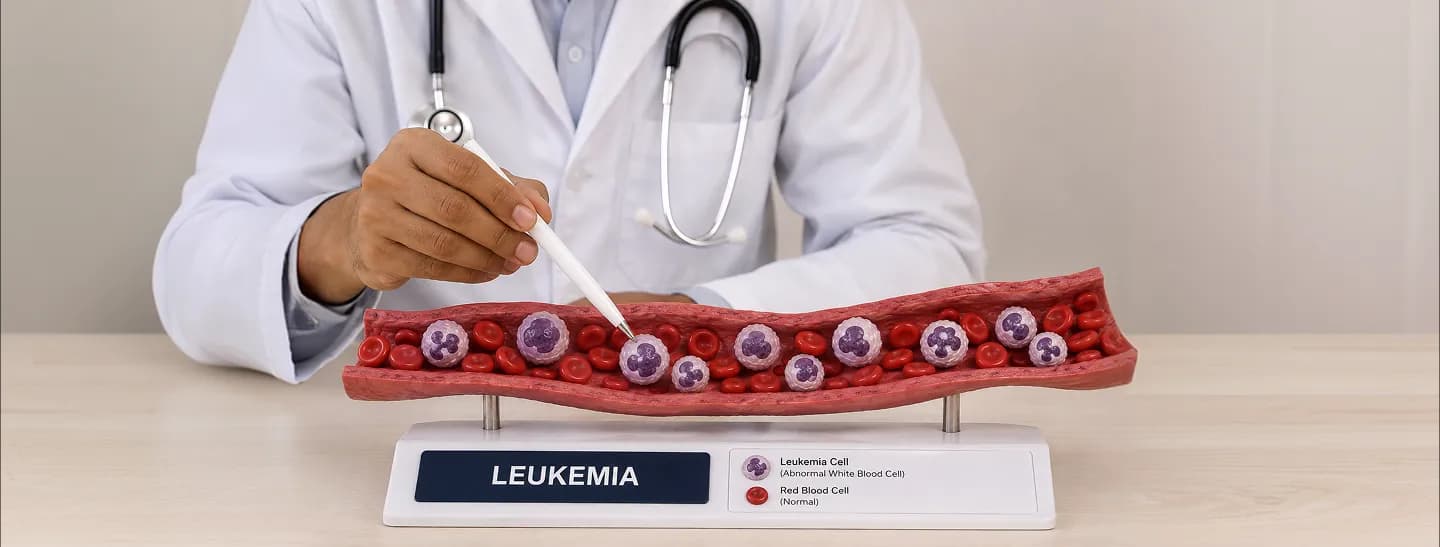
From diagnosis and treatment planning to remission and follow-up, experience care that considers your strength, nutrition, comfort and overall wellbeing.

A diagnosis can bring many questions at once. Let us begin with the basics.
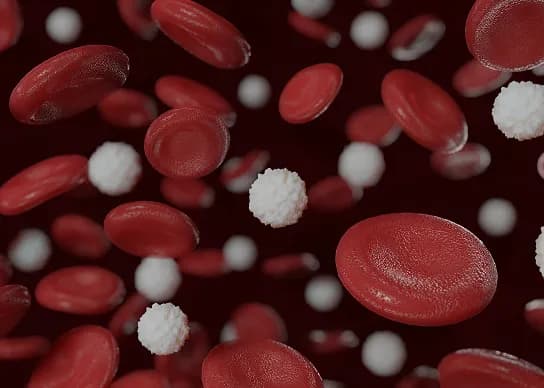
Leukemia is a group of cancers affecting blood-forming cells, usually beginning in the bone marrow. Abnormal cells can accumulate in the marrow and blood, reducing healthy red blood cells, white blood cells and platelets. This may cause fatigue, infections, easy bruising or bleeding. The four major types are acute lymphoblastic leukemia (ALL), acute myeloid leukemia (AML), chronic lymphocytic leukemia (CLL) and chronic myeloid leukemia (CML). Acute leukemias progress quickly and require treatment. Some chronic leukemias develop slowly and may be monitored. Diagnosis involves blood tests and, depending on the type, bone marrow examination. Flow cytometry, chromosome analysis and molecular testing identify the subtype and guide treatment.
Your haematologist may have discussed chemotherapy, targeted medicines, immunotherapy, stem cell transplantation or careful monitoring. Treatment depends on the leukemia type, genetic findings, disease status, age, overall health and response to previous treatment.
Some people with symptom-free, stable CLL may be monitored with regular examinations and blood tests rather than treated immediately.
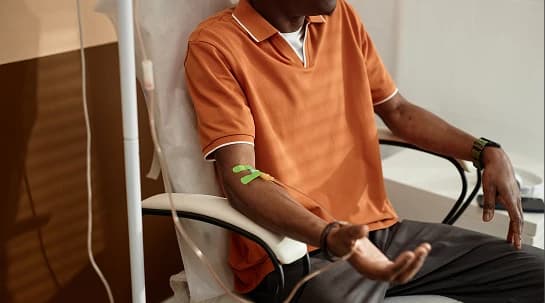
A central treatment for many acute leukemias. Treatment may include induction to achieve remission, consolidation to reduce relapse risk and, for some leukemias such as ALL, maintenance therapy.
APL is a distinct AML subtype that can cause severe bleeding or clotting and requires urgent specialist treatment. ATRA-based treatment may be started promptly according to the haematology team’s plan.
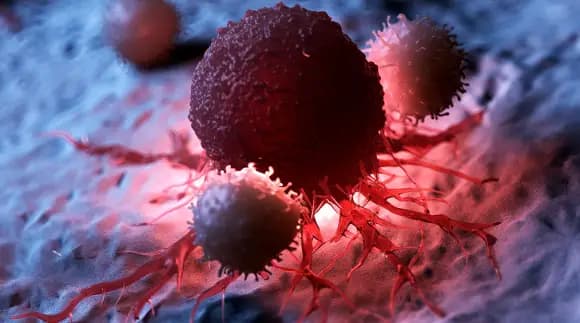
Medicines can target specific abnormalities such as BCR::ABL1 in CML or Philadelphia chromosome-positive ALL, and FLT3 or IDH changes in selected AML cases. Targeted medicines are also used in CLL.
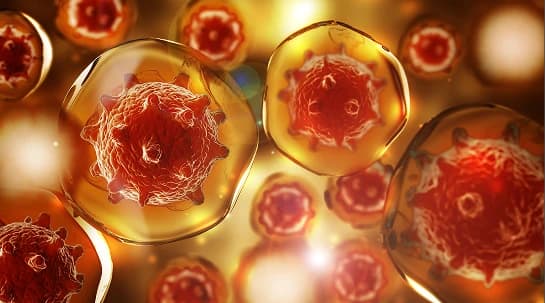
May include monoclonal antibodies, bispecific antibodies, antibody-drug conjugates or CAR T-cell therapy in selected patients.
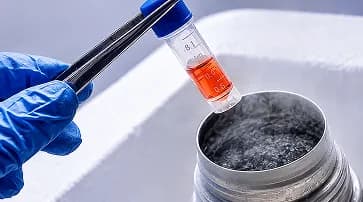
May be recommended for certain high-risk, recurrent or treatment-resistant leukemias. It requires careful assessment because complications can include infection, bleeding, organ problems and graft-versus-host disease.
Radiation therapy has a limited role but may be used in selected situations involving the brain, spinal cord or preparation for transplantation. Supportive medical care, including transfusions, antibiotics, antifungal medicines, nausea treatment and nutritional support, is also a central part of leukemia care.
Cancer Healer Therapy (CAM) is supportive integrative care used alongside treatment prescribed by your haematologist or oncologist, not instead of it.
The supportive plan may consider appetite, fatigue, sleep, emotional wellbeing and the practical demands of prolonged or intensive treatment.
Herbal medicines and supplements can interact with chemotherapy, targeted medicines, immunotherapy, antifungal medicines and other treatments. They may also influence liver function, bleeding risk or blood counts.
Support may begin before chemotherapy, targeted therapy, immunotherapy or transplantation, with attention to blood counts, symptoms, nutrition, medicines and overall wellbeing.
Supportive care may focus on fatigue, reduced appetite, nausea, mouth discomfort, taste changes, difficulty maintaining weight, sleep problems and emotional stress.
Acute leukemia may require treatment decisions quickly. Supportive care should never delay hospital admission, chemotherapy, transfusions, infection treatment or other care recommended by your haematologist.
Cancer Healer Therapy does not replace chemotherapy, targeted therapy, immunotherapy, CAR T-cell therapy, stem cell transplantation, transfusions, antibiotics or medically supervised observation.
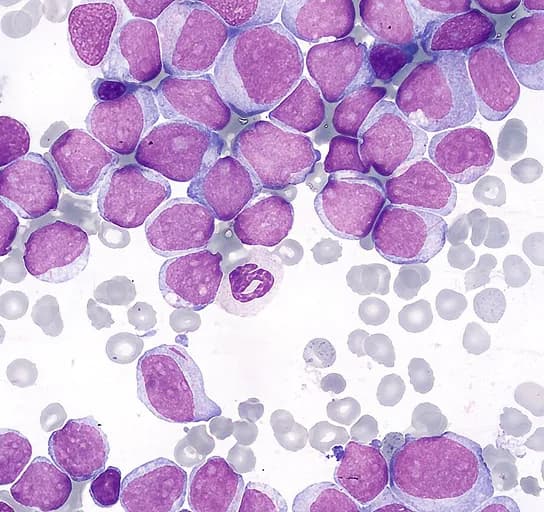
Most leukemias do not use the same Stage I to Stage IV system as solid tumours.
Acute leukemias may be described as:
CML is commonly divided into chronic, accelerated and blastic phases.
CLL may be staged using systems such as Rai or Binet, although stage is only one factor in deciding when treatment is needed.
Cancer Healer Therapy is intended only as supportive care and does not treat leukemia cells or replace haematology treatment.
Possible symptoms include:
These symptoms can also occur with infections and other blood disorders. Blood tests and medical assessment are needed to determine the cause.


Here’s exactly what happens from your first conversation with us to ongoing support during treatment.
We discuss your leukemia diagnosis, blood reports, bone marrow findings, symptoms and treatment plan.
The team reviews leukemia type, genetic findings, disease status, blood counts, treatment plan, symptoms and current medicines.
Supportive care is developed around the treatment or monitoring plan recommended by your haematology team.
Herbal medicines, supplements and special diets should be disclosed to your treating haematologist.
The plan may be reviewed as blood counts, symptoms and treatment needs change.
One point of contact supports appointments and follow-up communication.

Meet Dr. Tarang Krishna, MD - Cancer Healer Center
Dr. Tarang Krishna has spent over two decades developing and refining Cancer Healer Therapy, working with a multidisciplinary team across 30+ centres in India.
His work has been recognised for innovative cancer care and brings a coordinated, supportive approach to every patient journey.

Every cancer journey is personal. Read experiences shared by patients and families about the consultations, communication, follow-up and support they received at Cancer Healer Center.

4.9 Stars | 5479 Reviews

 Pancreatic Cancer
I'm incredibly grateful to the team at Cancer Healer Center! 🌟 Their compassionate approach, cutting-edge treatments, and personalized care made all the difference in my uncle's journey. The doctors and staff were supportive, transparent, and truly invested in my well-being. Thanks to their expertise, I'm on the road to recovery.
Blood CancerCancer Healer Center is one of the best cancer treatment clinic in Chandigarh. The staff is compassionate, the doctors explain everything clearly, and the environment is very comforting for patients and families. Their unique treatment approach focuses on strengthening immunity along with medical support. I have deep respect for the entire team, and I’m extremely satisfied with the care and professionalism here.
I visited Cancer Healer Center at Juhu. I had a very good experience regarding my patient doubts. The doctor professionally explained all my concerns and clarified all the reports clearly. The staff was also polite and supportive. Highly recommend this center.
Great place with amazing facilities like a homey environment. Cancer Healer Centre's team is great and I really appreciate them. There is a lot of positivity among staff members, and the patients are always taken care of well.
I m feeling very pleased n thankful to all staff they guided us very gud...n provide me very positive guidence to fight wid cancer......thankyu so much for all staff n cancer healer center bhopal...very satisfied
Trustable medicine and Doctor and other staff are all very cooperative and helpful
I feels like a this treatment is extreme level of treatment or cancer and doctors behaviour is too good
I had a very positive experience at the cancer centre. The doctors and staff were extremely supportive, caring, and professional throughout the treatment journey. They explained everything patiently and made us feel comfortable and hopeful during a difficult time. The facilities were well-managed, and the overall environment was clean and compassionate. Truly grateful for the dedication and care provided by the entire team.
Our experince was so good.Doctor mam behaviour was so excellent .She discussed with us very politely .She also discussed with our patient on video call and motivated him for recovery. All the staff was so good and cooperative. I thank to all of them for their supporative behaviour
I have visited the cancer healer center chennai couple of days back the consultation was very good and the front office people are very cooperative I got complete information about treatment. Thanks to Cancer healer center and team.
Recently visited center, Consultation was good cleared all doubts about diseases. Front desk people were supportive through all process.
Visited for my father's treatment and had a great experience with Dr. Nimmy. She explained everything in detail and answered all our questions with so much kindness. Her warm approach and clear guidance gave us complete peace of mind. Highly recommended! May God bless them!....
Feeling comfortable and happy with the staff service. Really good care taken by them
As a new patient, I wasn’t sure what to expect, but the visit felt structured and well-organized. My questions were addressed with patience, and I didn’t feel dismissed at any point. The overall atmosphere was calm, which made it easier to talk openly.
My father having cancer tissue in hand. We visit this centre in Dehradun.This is very peaceful and satisfactory. Dr nature and behaviour was very good and satisfactory.
I visited nfc center for my relative. And consultation with doctor is very good. Staff ne kafi acha samjhaya hme....pre consultation bhi staff ne kafi kuch btaya .. information di about disease. Over all good experience.
I visited NFC CENTER. Doctor and the staff is very humble and knowledgable. My query were resolved. My friend's have a blood cancer so I searched on internet then I found about Cancer healer center. I started treatment and my friend is very motivated now and feeling good.
Very good hospitality and well behaved staff and the doctor also addressed all my queries with no doubts left behind... Looking forward to start the treatment with positive hope.
Today is my first visit to this place and i like the consultation of the doctor and behavior of the staff are very good and friendly
The doctors and staff are caring,professional,and always supportive. The overall service has been excellent and well managed . Thank yiu to the enture team for their dedication and care and improvement is seen in the paitent
My brother takeing the treatment at cancer healer center last six months, the pet scan report was came good result, center fellow up was very good
Yes. Leukemia is a group of cancers affecting blood-forming cells, usually beginning in the bone marrow.
No. Leukemia cannot spread from one person to another through normal contact or everyday activities.
No. Acute leukemias usually require prompt treatment, while some chronic leukemias such as symptom-free CLL may initially be monitored.
Leukemia usually affects blood and bone marrow rather than forming a single solid tumour. Different leukemia types are therefore classified using disease status, phases, blood counts and genetic findings.
Some leukemias can be cured, while others may be controlled for many years. The outlook depends on leukemia type, genetic findings, response to treatment and overall health.
No. Transplantation is generally considered for selected high-risk, recurrent or treatment-resistant leukemias.
No. Cancer Healer Therapy is supportive integrative care used alongside haematology treatment. It should not replace or delay chemotherapy, targeted therapy, immunotherapy, CAR T-cell therapy, transplantation or transfusions.
Leukemia and its treatment can reduce healthy infection-fighting white blood cells. Fever during periods of low white blood cells may therefore require immediate medical attention.
Risk factors vary by type and may include increasing age, previous chemotherapy or radiation, high-level ionising radiation exposure, benzene exposure, smoking for some AML cases and certain inherited conditions.
Only after discussing every product with your haematologist or oncology pharmacist. Herbs and supplements may interact with chemotherapy, targeted medicines, antifungal treatment and medicines used after transplantation.