
Surgery:
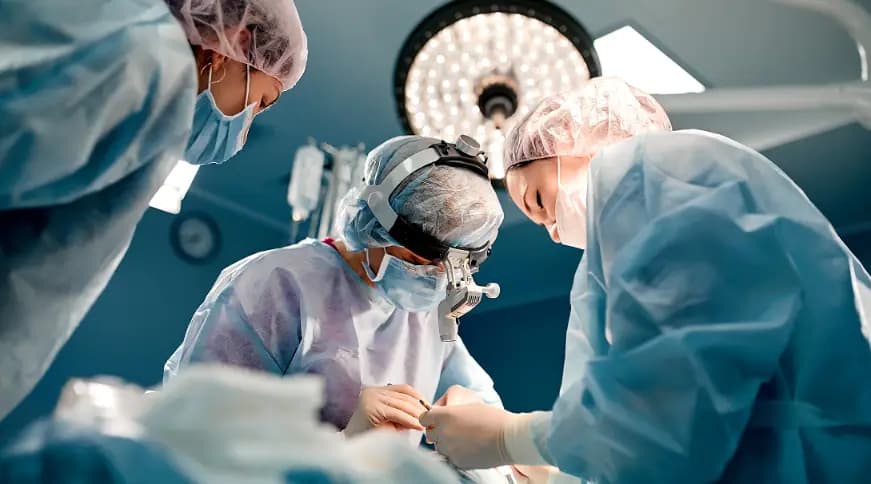
Removal of the affected portion of the bile duct, and sometimes part of the liver, when the tumour can be fully resected.

From your first decision to your last session, experience care that's truly holistic
A diagnosis brings a hundred questions at once. Let’s start with the basics.
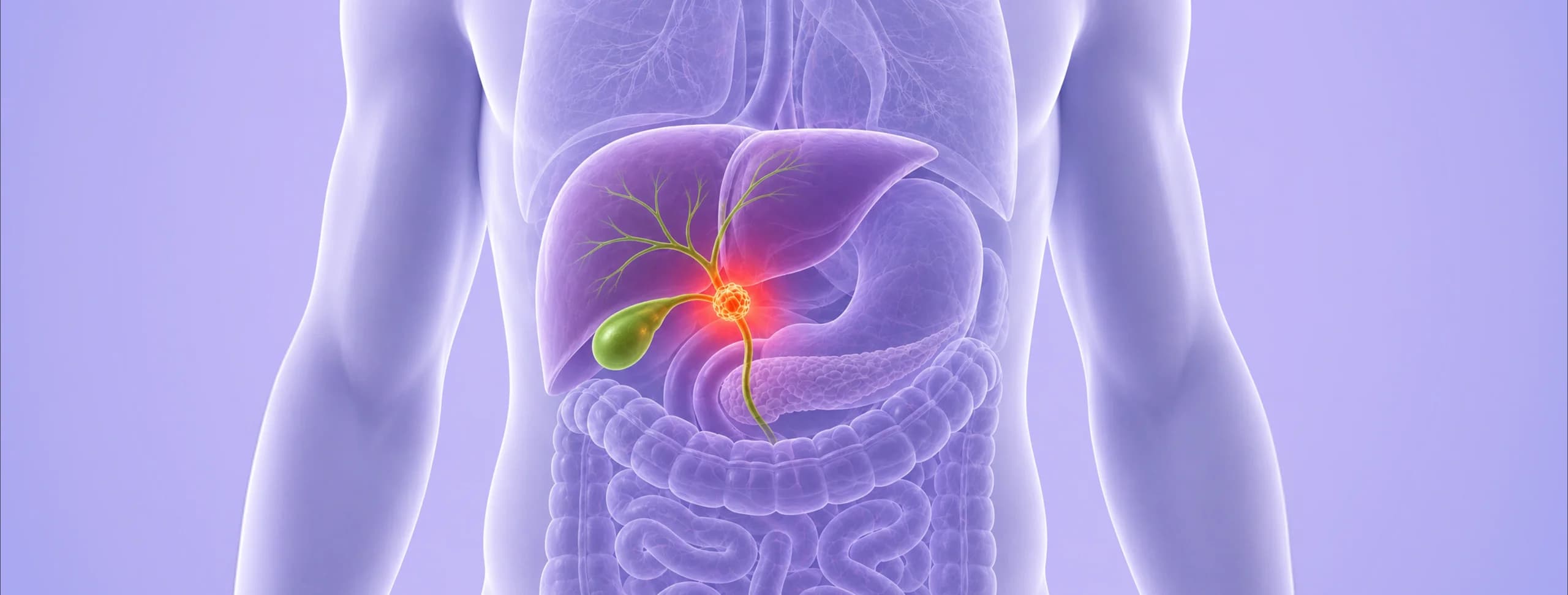
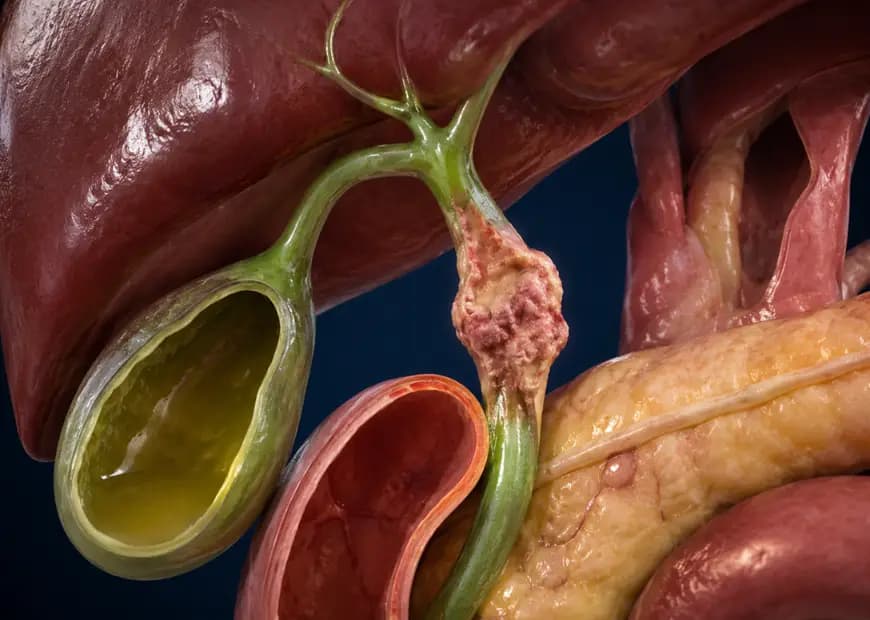
Bile duct cancer, also called cholangiocarcinoma, develops in the network of tubes that carry bile from the liver to the small intestine. It can begin inside the liver (intrahepatic) or in the ducts outside it (perihilar or distal), and where it starts shapes both symptoms and treatment. It’s an uncommon cancer, but one that tends to stay silent in its early stages, which is why it’s often noticed only once it starts affecting bile flow.
The good news is that awareness and imaging have improved detection in recent years, and treatment options, including surgery, radiation, and newer drug therapies, continue to expand. Understanding your specific diagnosis, where the tumour is located and what your oncologist has recommended, is the first step to feeling more in control of what comes next.
Your oncologist has likely already spoken to you about surgery, chemotherapy, or radiation therapy, depending on your specific case. It's completely normal to feel overwhelmed by everything on that list.
Removal of the affected portion of the bile duct, and sometimes part of the liver, when the tumour can be fully resected.
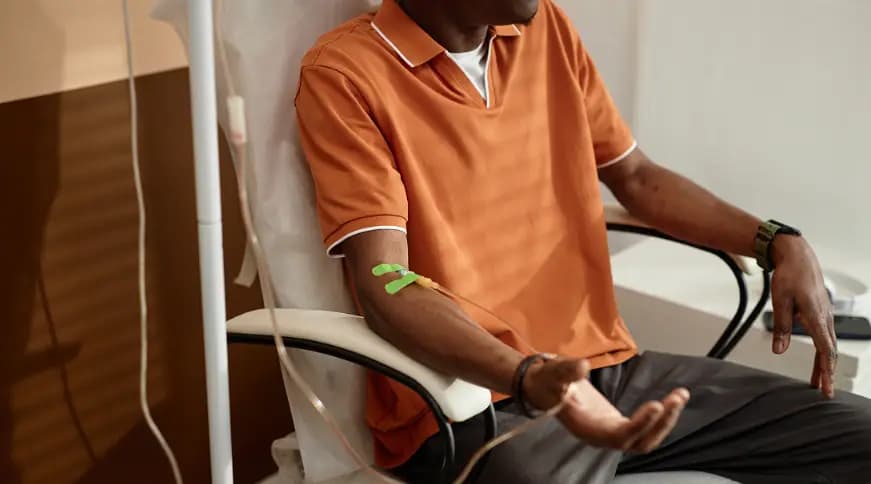
Medication to slow or destroy cancer cells, used both before and after surgery, and as the primary treatment when surgery isn't an option.
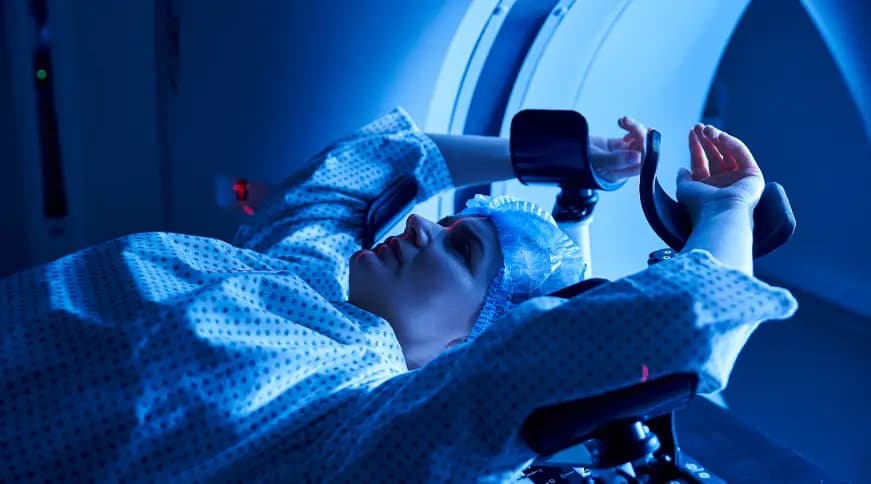
Targeted radiation to control tumour growth, often used alongside chemotherapy or after surgery.
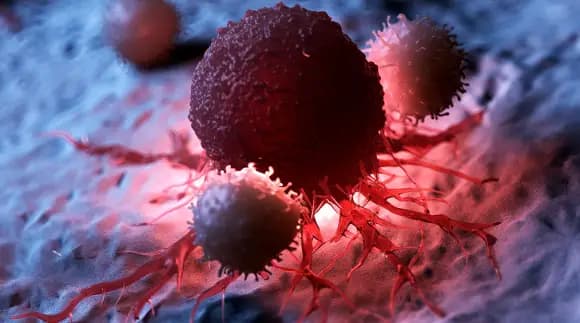
Newer drug options used for cancers with specific genetic changes or for cases that haven't responded to standard chemotherapy.

Stents or bypass surgery to relieve blockages and keep bile flowing, easing symptoms like jaundice.
These treatments are effective, and they're also hard on the body. Many patients find that their biggest daily struggle isn't the treatment plan itself, but staying strong enough to get through all of it without breaks or delays. Low immunity and fatigue don't just make treatment harder to sit through, they can mean dose reductions, postponed cycles, or gaps in the schedule your oncologist has carefully planned for you.
This is where Cancer Healer Therapy (CAM) fits in, not instead of your treatment, but alongside it. A herbal-based integrative treatment developed by Dr. Tarang Krishna, it works by helping protect healthy cells during treatment, supporting the immune system, and supporting the body’s liver detoxification pathways, so your body is better equipped to handle chemotherapy or radiation without needing dose reductions.
Bile duct cancer’s close relationship with the liver’s own detoxification processes makes liver-supportive, immune-focused care especially relevant here, and it’s an area of active clinical research as newer targeted and immune-based therapies continue to be studied. This is part of why immune-focused supportive care has a growing role in bile duct cancer treatment plans.
Building baseline immune strength before surgery, chemotherapy, or radiation begins, so your body is better prepared for what's ahead.
Ongoing immune support alongside your sessions, helping protect healthy cells, support liver detoxification, and maintain the energy and appetite that make it easier to tolerate full treatment doses on schedule.
Wherever you land on the treatment decision, Cancer Healer Therapy(CAM) can support your body through whichever path you and your oncologist choose.
This is not a replacement for your treating oncologist's plan. It works alongside it. Patients continue their prescribed treatment throughout, and our team stays in communication with the broader care picture rather than working in isolation.
Not all bile duct cancers are the same, and understanding your specific type helps make sense of your treatment plan.
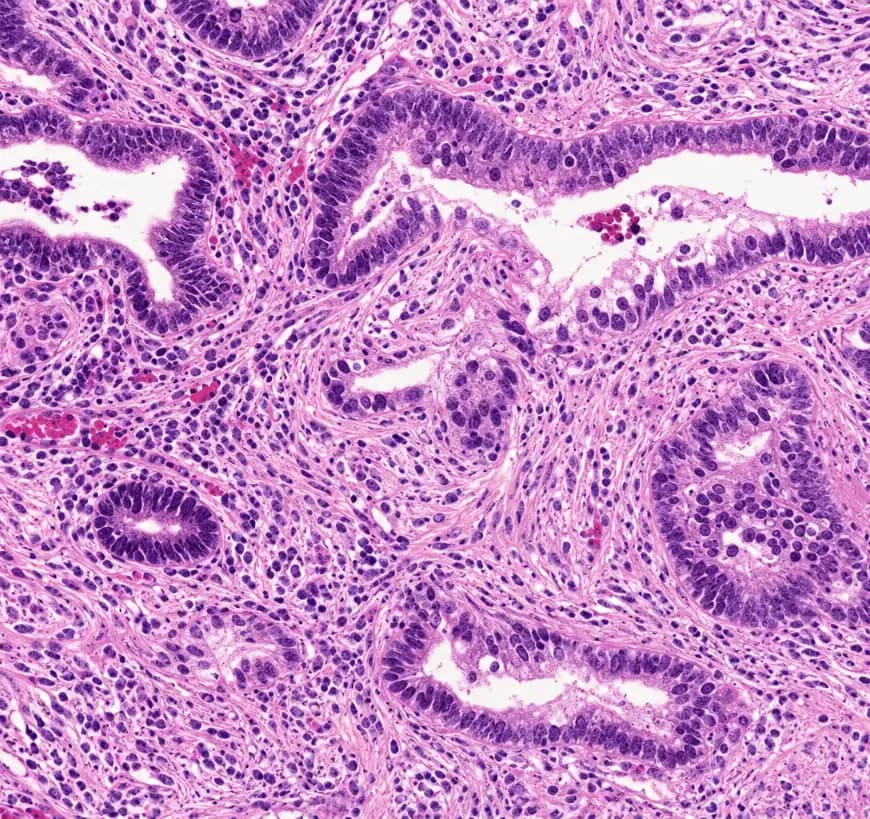
Your oncologist’s staging determines your treatment path. Cancer Healer Therapy (CAM) is designed to support patients across all stages, including advanced-stage cases where quality of life becomes a central priority.
If you’re noticing any of these, the next step is a clinical evaluation with a doctor, not a delay.


Here’s exactly what happens from your first conversation with us to ongoing support during treatment.
We talk through your diagnosis, reports, and current or planned treatment.
Understanding your specific case, stage, and treatment stage.
Built around what you're already undergoing or about to start.
Your plan adjusts as your treatment progresses.
One point of contact throughout.

Meet Dr. Tarang Krishna, MD - Cancer Healer Center
Dr. Tarang Krishna has spent over two decades developing and refining Cancer Healer Therapy, working with a multidisciplinary team across 30+ centres in India.
His work has been recognised for innovative cancer care and brings a coordinated, supportive approach to every patient journey.

Every cancer journey is personal. Read experiences shared by patients and families about the consultations, communication, follow-up and support they received at Cancer Healer Center.

4.9 Stars | 5479 Reviews

 Pancreatic Cancer
I'm incredibly grateful to the team at Cancer Healer Center! 🌟 Their compassionate approach, cutting-edge treatments, and personalized care made all the difference in my uncle's journey. The doctors and staff were supportive, transparent, and truly invested in my well-being. Thanks to their expertise, I'm on the road to recovery.
Blood CancerCancer Healer Center is one of the best cancer treatment clinic in Chandigarh. The staff is compassionate, the doctors explain everything clearly, and the environment is very comforting for patients and families. Their unique treatment approach focuses on strengthening immunity along with medical support. I have deep respect for the entire team, and I’m extremely satisfied with the care and professionalism here.
I visited Cancer Healer Center at Juhu. I had a very good experience regarding my patient doubts. The doctor professionally explained all my concerns and clarified all the reports clearly. The staff was also polite and supportive. Highly recommend this center.
No. Bile duct cancer starts in the ducts that carry bile, while liver cancer starts in liver cells, though intrahepatic bile duct cancer can sometimes be mistaken for it on imaging.
It rarely causes symptoms until the tumour begins blocking bile flow, which is why jaundice is often the first noticeable sign.
Not always. Whether surgery is possible depends heavily on the tumour’s location and whether it has spread, and your oncologist will determine this through imaging and testing.
No. It’s designed to work alongside your oncologist’s prescribed treatment, not instead of it, helping your body tolerate the full course better.
Chronic bile duct inflammation, certain liver diseases, and specific infections are known risk factors, though many cases occur without a clearly identifiable cause.