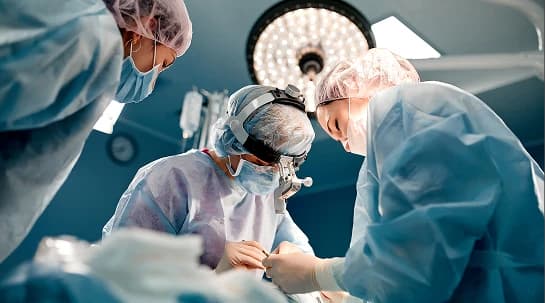
Surgery
Lumpectomy (removing the tumour) or mastectomy (removing the breast), depending on stage and tumour size

From your first decision to your last session, experience care that’s truly holistic
A diagnosis brings a hundred questions at once. Let’s start with the basics.
Breast cancer develops when cells in the breast begin to grow uncontrollably, most commonly in the milk ducts or lobules. It’s one of the most common cancers among women in India, and cases have been rising steadily over the past decade. It can also, less commonly, affect men.
The good news is that breast cancer is highly treatable, especially when caught early. Understanding your specific diagnosis, the type, the stage, and what your oncologist has recommended, is the first step to feeling more in control of what comes next.
These treatments are effective, and they're also hard on the body. Many patients find that their biggest daily struggle isn't the treatment plan itself, but staying strong enough to get through all of it without breaks or delays.
Lumpectomy (removing the tumour) or mastectomy (removing the breast), depending on stage and tumour size
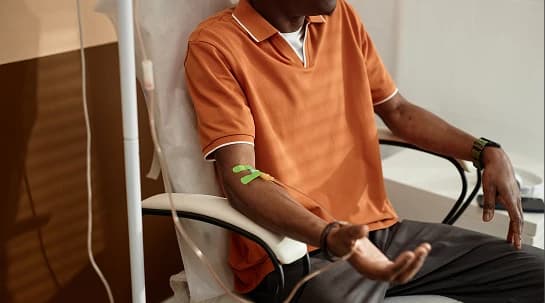
Medication to destroy or slow the growth of cancer cells, often used before or after surgery
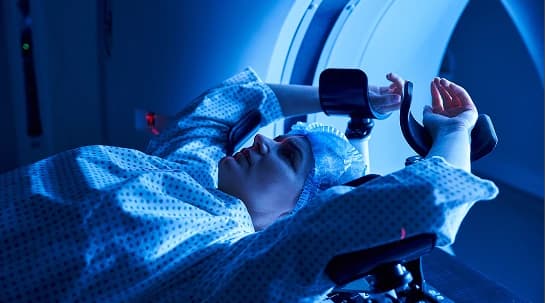
Targeted radiation to eliminate remaining cancer cells post-surgery

For hormone-receptor-positive cancers, to block the hormones that fuel tumour growth
For specific cancer subtypes like HER2-positive breast cancer
This is where Cancer Healer Therapy (CAM) fits in, not instead of your treatment, but alongside it. A herbal-based integrative treatment developed by Dr. Tarang Krishna, it works by helping protect healthy cells during treatment, supporting the immune system, and supporting the body’s liver detoxification pathways, so your body is better equipped to handle chemotherapy or radiation without needing dose reductions.
Breast cancer, particularly triple-negative breast cancer (TNBC), has been an active area of immune-based cancer research, which is part of why immune-focused supportive care has a growing role in breast cancer treatment plans.
Building baseline immune strength before chemotherapy or radiation begins, so your body is better prepared for what's ahead.
Ongoing immune support alongside your sessions, helping protect healthy cells, support liver detoxification, and maintain the energy and appetite that make it easier to tolerate full treatment doses on schedule.
Wherever you land on the treatment decision, Cancer Healer Therapy (CAM) can support your body through whichever path you and your oncologist choose.
This is not a replacement for your treating oncologist's plan. It works alongside it. Patients continue their prescribed treatment throughout, and our team stays in communication with the broader care picture rather than working in isolation.
Not all breast cancers are the same, and understanding your specific type helps make sense of your treatment plan.
Your oncologist’s staging determines your treatment path.
Cancer Healer Therapy(CAM) is designed to support patients across all stages, including advanced-stage cases where quality of life becomes a central priority.
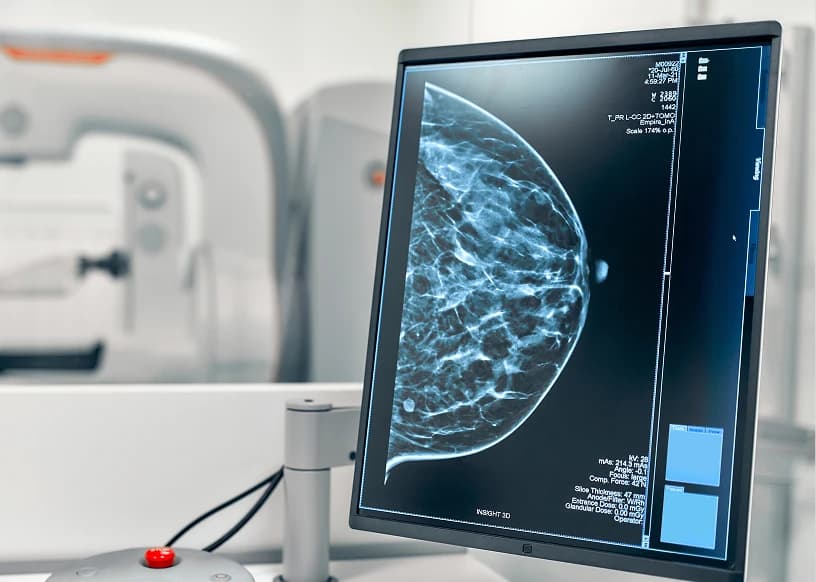
If you’re noticing any of these, the next step is a clinical evaluation with a doctor, not a delay.
Here’s exactly what happens from your first conversation with us to ongoing support during treatment.
Medication to destroy or slow the growth of cancer cells, often used before or after surgery
Understanding your specific case, stage, and treatment stage
Built around what you're already undergoing or about to start
Your plan adjusts as your treatment progresses
One point of contact throughout.

Meet Dr. Tarang Krishna, MD - Cancer Healer Center
Dr. Tarang Krishna has spent over two decades developing and refining Cancer Healer Therapy, working with a multidisciplinary team across 30+ centres in India.
His work has been recognised for innovative cancer care and brings a coordinated, supportive approach to every patient journey.

Every cancer journey is personal. Read experiences shared by patients and families about the consultations, communication, follow-up and support they received at Cancer Healer Center.

4.9 Stars | 5479 Reviews

 Pancreatic Cancer
I'm incredibly grateful to the team at Cancer Healer Center! 🌟 Their compassionate approach, cutting-edge treatments, and personalized care made all the difference in my uncle's journey. The doctors and staff were supportive, transparent, and truly invested in my well-being. Thanks to their expertise, I'm on the road to recovery.
Blood CancerCancer Healer Center is one of the best cancer treatment clinic in Chandigarh. The staff is compassionate, the doctors explain everything clearly, and the environment is very comforting for patients and families. Their unique treatment approach focuses on strengthening immunity along with medical support. I have deep respect for the entire team, and I’m extremely satisfied with the care and professionalism here.
I visited Cancer Healer Center at Juhu. I had a very good experience regarding my patient doubts. The doctor professionally explained all my concerns and clarified all the reports clearly. The staff was also polite and supportive. Highly recommend this center.
Great place with amazing facilities like a homey environment. Cancer Healer Centre's team is great and I really appreciate them. There is a lot of positivity among staff members, and the patients are always taken care of well.
I m feeling very pleased n thankful to all staff they guided us very gud...n provide me very positive guidence to fight wid cancer......thankyu so much for all staff n cancer healer center bhopal...very satisfied
Trustable medicine and Doctor and other staff are all very cooperative and helpful
I feels like a this treatment is extreme level of treatment or cancer and doctors behaviour is too good
I had a very positive experience at the cancer centre. The doctors and staff were extremely supportive, caring, and professional throughout the treatment journey. They explained everything patiently and made us feel comfortable and hopeful during a difficult time. The facilities were well-managed, and the overall environment was clean and compassionate. Truly grateful for the dedication and care provided by the entire team.
Our experince was so good.Doctor mam behaviour was so excellent .She discussed with us very politely .She also discussed with our patient on video call and motivated him for recovery. All the staff was so good and cooperative. I thank to all of them for their supporative behaviour
I have visited the cancer healer center chennai couple of days back the consultation was very good and the front office people are very cooperative I got complete information about treatment. Thanks to Cancer healer center and team.
Recently visited center, Consultation was good cleared all doubts about diseases. Front desk people were supportive through all process.
Visited for my father's treatment and had a great experience with Dr. Nimmy. She explained everything in detail and answered all our questions with so much kindness. Her warm approach and clear guidance gave us complete peace of mind. Highly recommended! May God bless them!....
Feeling comfortable and happy with the staff service. Really good care taken by them
As a new patient, I wasn’t sure what to expect, but the visit felt structured and well-organized. My questions were addressed with patience, and I didn’t feel dismissed at any point. The overall atmosphere was calm, which made it easier to talk openly.
My father having cancer tissue in hand. We visit this centre in Dehradun.This is very peaceful and satisfactory. Dr nature and behaviour was very good and satisfactory.
I visited nfc center for my relative. And consultation with doctor is very good. Staff ne kafi acha samjhaya hme....pre consultation bhi staff ne kafi kuch btaya .. information di about disease. Over all good experience.
I visited NFC CENTER. Doctor and the staff is very humble and knowledgable. My query were resolved. My friend's have a blood cancer so I searched on internet then I found about Cancer healer center. I started treatment and my friend is very motivated now and feeling good.
Very good hospitality and well behaved staff and the doctor also addressed all my queries with no doubts left behind... Looking forward to start the treatment with positive hope.
Today is my first visit to this place and i like the consultation of the doctor and behavior of the staff are very good and friendly
The doctors and staff are caring,professional,and always supportive. The overall service has been excellent and well managed . Thank yiu to the enture team for their dedication and care and improvement is seen in the paitent
My brother takeing the treatment at cancer healer center last six months, the pet scan report was came good result, center fellow up was very good
Documented patient journeys, presented from the medical records supplied. Individual outcomes vary.
No. Breast cancer treatment is different for every patient. Your oncologist considers the cancer’s type, stage, lymph-node involvement, hormone-receptor and HER2 status, and your overall health before recommending chemotherapy or other treatments.
These tests help your oncologist understand what may be driving the cancer. The results can indicate whether hormone therapy or HER2-targeted therapy may help and allow your treatment plan to be personalised to your specific cancer subtype.
Not always. Some patients may be eligible for a lumpectomy, which removes the tumour while preserving most of the breast. Others may need a mastectomy depending on the tumour’s size, location, genetic risk and other clinical factors. Your breast surgeon will explain which option is most appropriate for you.
Cancer Healer Therapy (CAM) is designed to work alongside the treatment recommended by your oncologist. The supportive-care plan is personalised according to your diagnosis, current treatment, symptoms and overall health. It does not replace surgery, chemotherapy, radiation therapy, hormone therapy or targeted therapy.
Breast cancer can sometimes return in the breast or chest area, nearby lymph nodes or another part of the body. The risk varies from person to person. Regular follow-up and timely evaluation of any new or persistent symptoms can help your medical team monitor your health after treatment.