
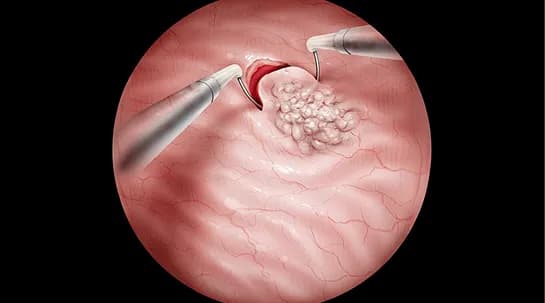
TURBT:
Usually the first treatment for NMIBC. The visible tumour is removed through the urethra. A repeat TURBT may be needed in selected high-risk or incomplete cases.


From diagnosis and treatment planning to recovery and follow-up, experience care that considers your strength, urinary health, nutrition, comfort and overall wellbeing.
A diagnosis can bring many questions at once. Let us begin with the basics.
Bladder cancer develops when abnormal cells grow in the urinary bladder. Most cases begin in the urothelium, the inner lining of the bladder. Bladder cancer is broadly classified as non-muscle-invasive bladder cancer, or NMIBC, and muscle-invasive bladder cancer, or MIBC. NMIBC has not grown into the bladder muscle, while MIBC has invaded the muscle and carries a greater risk of spreading. Blood in the urine is the most common warning sign. Other symptoms can include frequency, urgency, burning or pelvic discomfort. Diagnosis usually involves cystoscopy and TURBT, which removes or samples the tumour. Pathology determines the cancer type, grade, stage and muscle involvement.
Your urologist or oncologist may have discussed TURBT, treatment placed directly into the bladder, surgery, chemotherapy, radiation, immunotherapy or targeted treatment. Treatment depends on the cancer type, grade, stage, recurrence risk, kidney function and overall health.
Usually the first treatment for NMIBC. The visible tumour is removed through the urethra. A repeat TURBT may be needed in selected high-risk or incomplete cases.
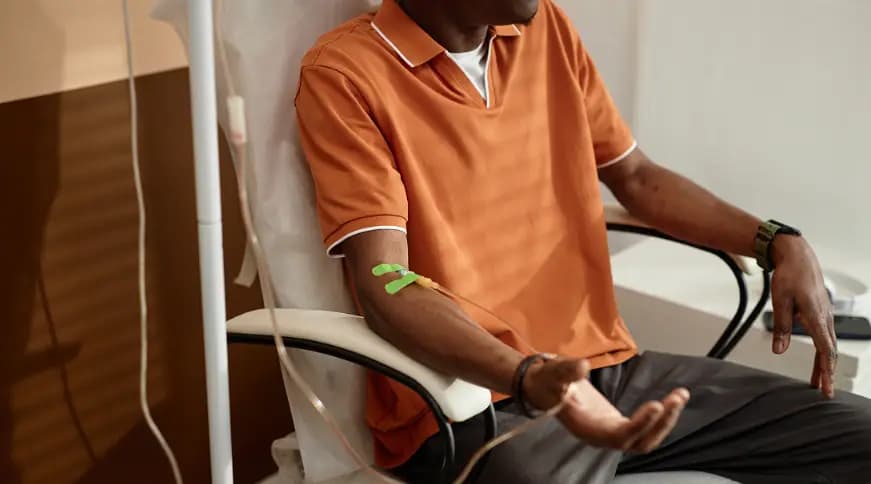
Medicines such as gemcitabine or mitomycin may be placed directly into the bladder after TURBT or for selected NMIBC.
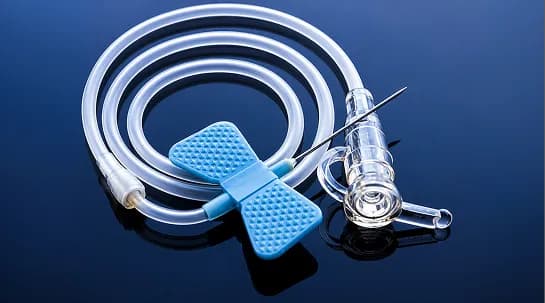
BCG is placed directly into the bladder for selected intermediate-risk and high-risk NMIBC to reduce recurrence and progression risk.
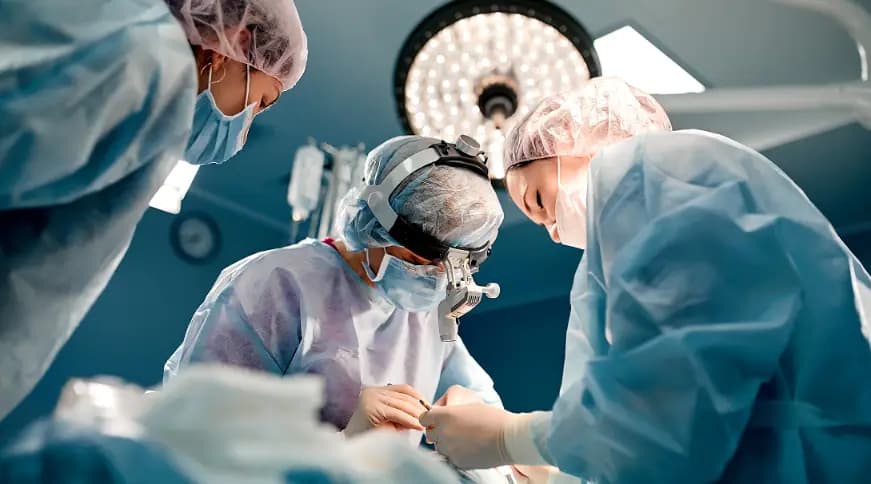
Removal of the bladder and nearby lymph nodes may be recommended for many muscle-invasive cancers and selected very high-risk NMIBC. Urinary diversion may use an ileal conduit, internal reservoir or neobladder.
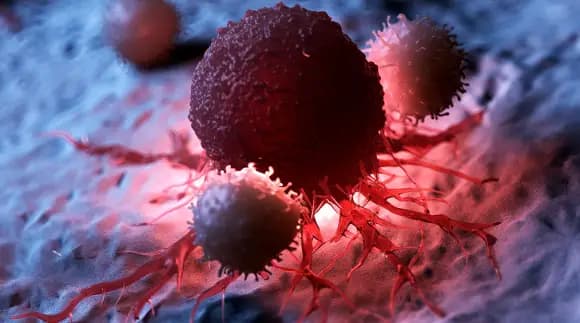
Cisplatin-based chemotherapy may be given before surgery in eligible muscle-invasive disease and may also be used in advanced cancer.

Selected patients with muscle-invasive disease may receive maximal TURBT followed by chemotherapy and radiation, with close surveillance.
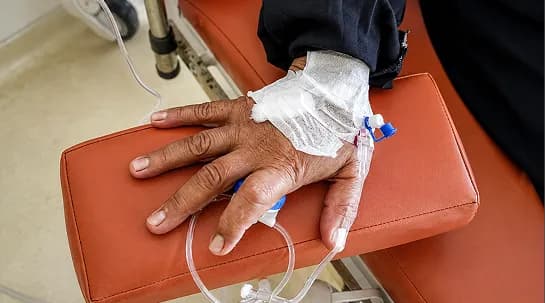
May be used in selected recurrent, locally advanced or metastatic cancers.
Supportive and palliative care may help manage pain, urinary symptoms, fatigue and adjustment after urinary diversion.

Cancer Healer Therapy (CAM) is supportive integrative care used alongside treatment prescribed by your urologist or oncologist, not instead of it.
The supportive plan may consider appetite, fatigue, sleep, emotional wellbeing and recovery after treatment.
Herbal products and supplements can interact with cancer medicines or blood thinners and may affect kidney function, bleeding risk or bladder irritation.
Support may begin before TURBT, surgery or systemic treatment, with attention to urinary symptoms, kidney function, nutrition and current medicines.
Supportive care may focus on fatigue, appetite, nausea, urinary discomfort and adjustment to a urinary stoma or new bladder routine.
Supportive care should not delay cystoscopy, TURBT, intravesical treatment, surgery, chemotherapy, radiation or other recommended care.
Cancer Healer Therapy does not replace TURBT, BCG, intravesical chemotherapy, cystectomy, urinary diversion, systemic therapy, radiation or palliative procedures.
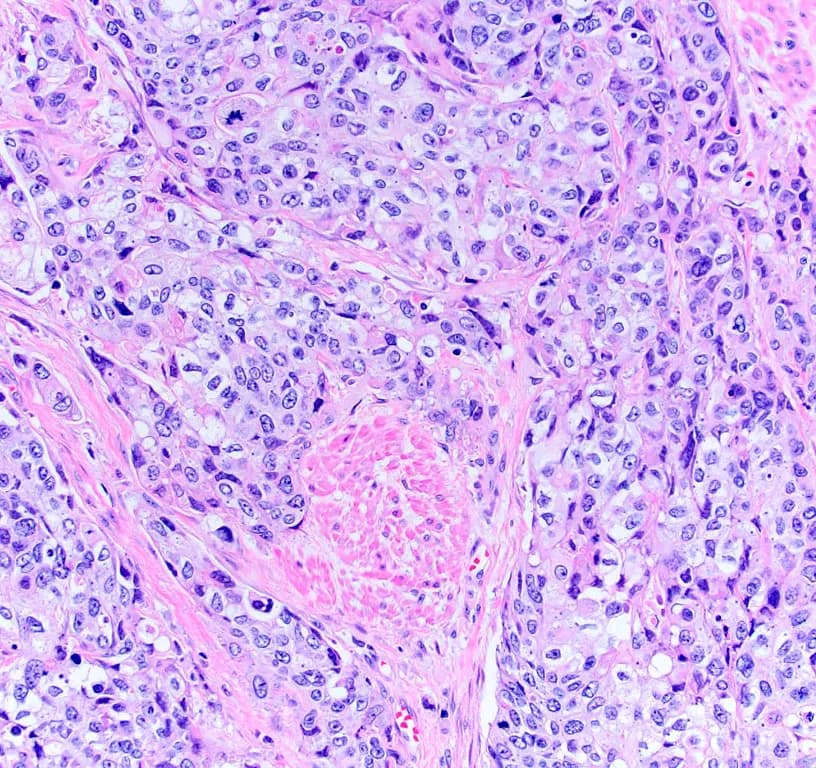
Bladder cancer includes several types that differ in behaviour and treatment.
Accurate pathology helps guide treatment planning.
Bladder cancer is staged using the TNM system.
The stage helps guide appropriate treatment and follow-up.
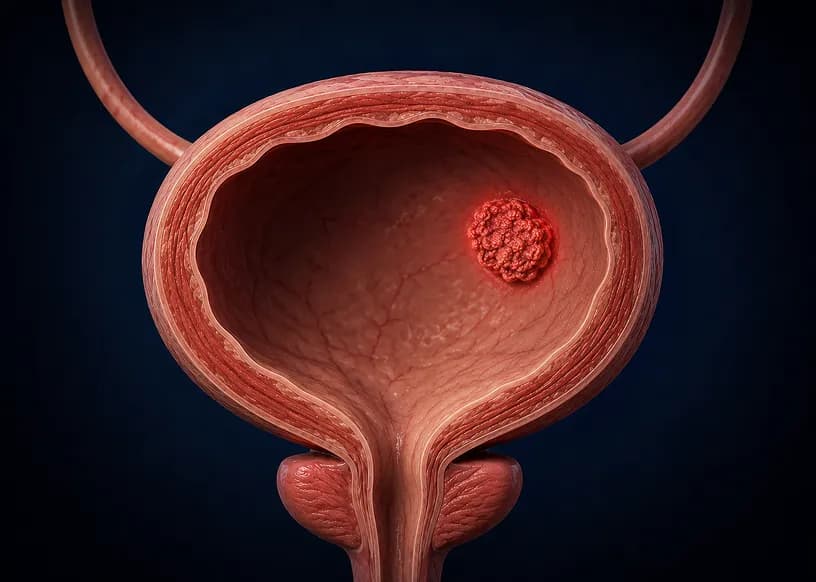
Possible signs and symptoms of bladder cancer include:
Blood in the urine is the most common warning sign and should be medically assessed even if it occurs only once.

Here’s exactly what happens from your first conversation with us to ongoing support during treatment.
We discuss your diagnosis, cystoscopy, pathology, scans, symptoms and treatment plan.
The team reviews cancer type, grade, stage, muscle involvement, previous treatment, kidney function and urinary symptoms.
Supportive care is developed around your recommended treatment and surveillance plan.
Herbal products, supplements and special diets should be disclosed to the treating team.
The plan may be reviewed as symptoms, cystoscopy findings, imaging and treatment needs change.
One point of contact supports appointments and follow-up communication.

Meet Dr. Tarang Krishna, MD - Cancer Healer Center
Dr. Tarang Krishna has spent over two decades developing and refining Cancer Healer Therapy, working with a multidisciplinary team across 30+ centres in India.
His work has been recognised for innovative cancer care and brings a coordinated, supportive approach to every patient journey.

Every cancer journey is personal. Read experiences shared by patients and families about the consultations, communication, follow-up and support they received at Cancer Healer Center.

4.9 Stars | 5479 Reviews

 Pancreatic Cancer
I'm incredibly grateful to the team at Cancer Healer Center! 🌟 Their compassionate approach, cutting-edge treatments, and personalized care made all the difference in my uncle's journey. The doctors and staff were supportive, transparent, and truly invested in my well-being. Thanks to their expertise, I'm on the road to recovery.
Blood CancerCancer Healer Center is one of the best cancer treatment clinic in Chandigarh. The staff is compassionate, the doctors explain everything clearly, and the environment is very comforting for patients and families. Their unique treatment approach focuses on strengthening immunity along with medical support. I have deep respect for the entire team, and I’m extremely satisfied with the care and professionalism here.
I visited Cancer Healer Center at Juhu. I had a very good experience regarding my patient doubts. The doctor professionally explained all my concerns and clarified all the reports clearly. The staff was also polite and supportive. Highly recommend this center.
No. Infection, kidney stones, prostate problems and other conditions can also cause blood in the urine. However, visible blood should always be medically assessed.
NMIBC has not grown into the bladder muscle. MIBC has invaded the muscle and usually requires more intensive treatment.
No. Many non-muscle-invasive cancers are treated with TURBT, surveillance, intravesical chemotherapy or BCG. Cystectomy is more common for muscle-invasive or very high-risk disease.
BCG is an intravesical immunotherapy placed directly into the bladder for selected intermediate-risk and high-risk NMIBC.
Sometimes. Selected patients may receive maximal TURBT followed by chemotherapy and radiation with close surveillance.
The surgeon creates a urinary diversion such as an ileal conduit, internal reservoir or neobladder.
Yes. Bladder cancer can recur, especially non-muscle-invasive urothelial cancer, so ongoing cystoscopy and follow-up are important.
No. Cancer Healer Therapy is supportive integrative care used alongside treatment prescribed by your urology and oncology team. It should not replace or delay recommended cancer care.
Risk factors include smoking, increasing age, certain occupational exposures, previous pelvic radiation or cyclophosphamide, chronic bladder irritation and schistosomiasis.
Only after discussing every product with your urologist, oncologist or oncology pharmacist. Some may interact with treatment or affect bleeding and kidney function.