

Cancer treatment can bring a lot of information into your life very quickly.
There are reports to understand, treatment options to discuss and unfamiliar medical terms to make sense of. At the same time, patients and families may start hearing about complementary care, CAM and integrative approaches.
That can lead to a very reasonable question: Where do these approaches fit when someone is already receiving cancer treatment?
Cancer Healer Therapy is the approach followed at Cancer Healer Center (CAM). Understanding it starts with something even more important: understanding how this approach may fit within a patient’s wider cancer-care journey.
First, What Does CAM Mean in Cancer Care?
CAM stands for complementary and alternative medicine. The terms are often placed together, but there is an important difference between them.
Complementary approaches are used alongside conventional medical treatment. Alternative approaches are used instead of conventional treatment.
That difference matters in cancer care.
Depending on the diagnosis, conventional cancer treatment may include surgery, chemotherapy, radiation therapy, immunotherapy, targeted therapy, hormone therapy or other medically indicated treatments.
Exploring complementary care does not mean that these treatments become unnecessary.
Instead, a useful way to approach the subject is to ask:
What additional support am I looking for, and how can it fit safely with the cancer care I am already receiving?
This is the context in which Cancer Healer Therapy should be understood.
So, What Is Cancer Healer Therapy?
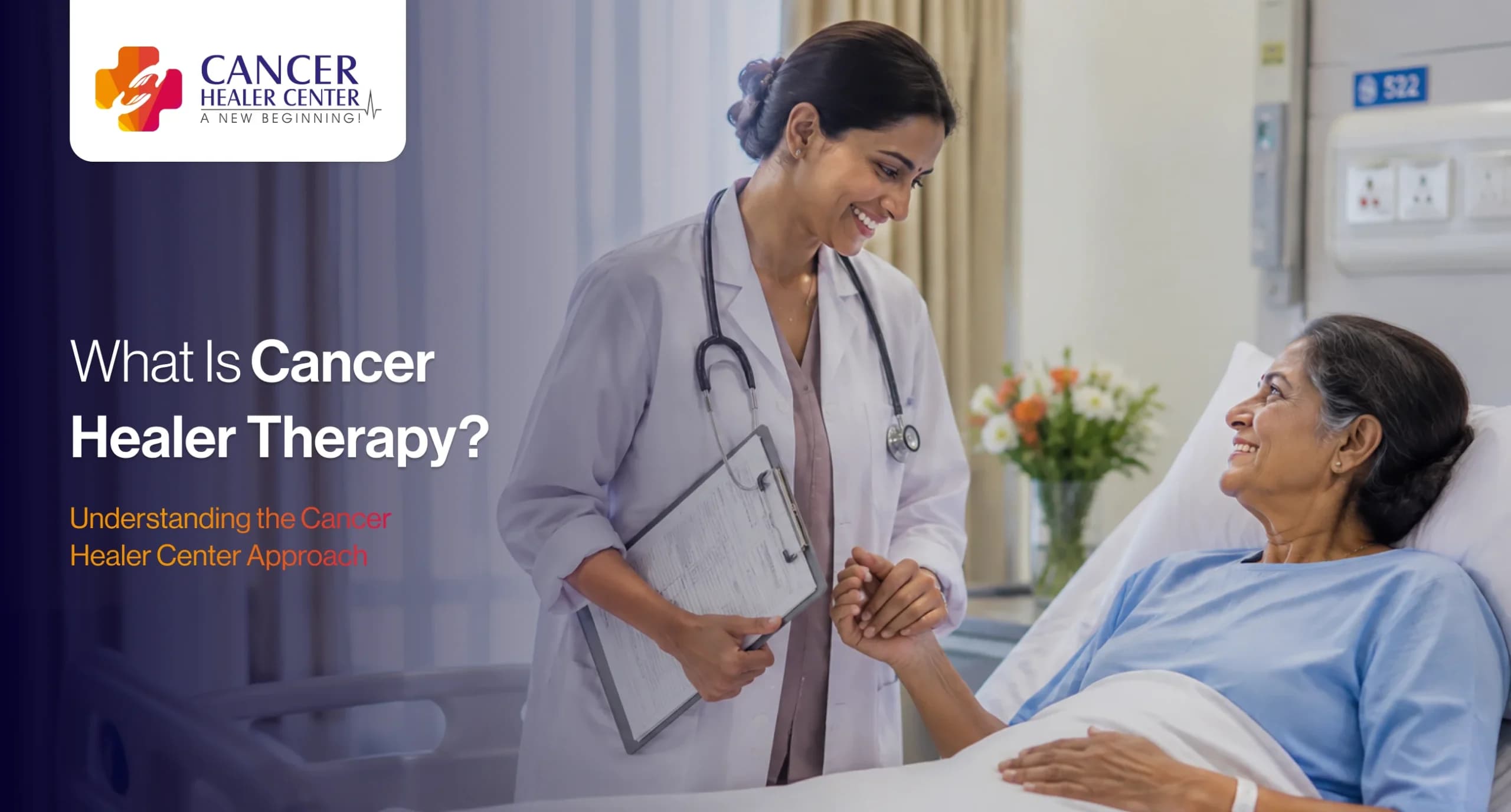
Cancer Healer Therapy is the approach followed at Cancer Healer Center (CAM) as part of its complementary and integrative cancer care. Cancer Healer Center (CAM) describes Cancer Healer Therapy as an immune-focused approach that works with the body’s immunity.
The approach considers the patient’s diagnosis, current and previous cancer treatment, medical history and individual supportive-care needs when discussing how complementary care may fit into the wider cancer journey.
It begins with the understanding that people living with cancer do not all have the same experience.
Consider two people with the same broad cancer diagnosis. One may have been diagnosed recently and be preparing for treatment. Another may already have undergone surgery and several treatment cycles.
Their diagnosis may sound similar, but their circumstances are not.
Their stage of disease, treatment history, current medicines, overall health and supportive-care needs can all be different.
For this reason, the Cancer Healer Center (CAM) approach focuses on understanding the individual’s medical situation rather than looking only at the name of the cancer.
Why Does an Individual Approach Matter?
Cancer is not one disease with one treatment pathway.
There are many cancer types and subtypes, and treatment decisions can depend on several clinical factors. A patient’s situation can also change during the course of treatment.
This means that supportive-care needs can change as well.
Someone starting treatment may have different concerns from someone who has completed treatment. A change in conventional therapy may also mean that other aspects of the person’s care need to be reviewed.
This approach considers care from an individual perspective.
The conversation may therefore begin with questions such as: What cancer has been diagnosed? What treatment has already been given? What treatment is being given now? What concerns does the patient currently have?
Looking at those questions together creates a clearer picture than looking at the diagnosis in isolation.
Where Does Cancer Healer Therapy Fit Into the Cancer Journey?
This is perhaps the most important question for anyone exploring Cancer Healer Therapy.
Cancer Healer Therapy should be understood as complementary care within the patient’s wider cancer journey, not as a replacement for medically indicated cancer treatment.
A patient may already be receiving treatment from an oncologist or another cancer specialist. In that situation, complementary care becomes another part of a larger medical picture.
Coordination matters.
Patients should tell their treating cancer team about complementary therapies, medicines or products they are using or considering. Similarly, anyone providing complementary care needs to understand the patient’s existing diagnosis and treatment.
The safety of a complementary approach can depend on what is being used, the patient’s health and the cancer treatment they are receiving. Some complementary products or approaches may interact with medicines or treatment. Patients should therefore discuss them with appropriately qualified healthcare professionals and keep their treating cancer team informed.
The goal is not to create two separate treatment journeys. It is to make sure the patient’s wider care is understood as clearly as possible.
What Does the Cancer Healer Center (CAM) Approach Focus On?
At Cancer Healer Center (CAM), the approach centers on a few connected ideas: understanding the individual, considering the existing cancer-care journey and reviewing needs as circumstances change.
Understanding Where the Patient Is Now
The starting point is the patient’s current medical situation.
That can include the diagnosis, stage of cancer where known, previous treatment, current treatment, medicines and relevant medical reports.
This gives context to the patient’s questions and supportive-care needs.
Looking Beyond a One-Size-Fits-All Approach
A cancer diagnosis is important, but it does not describe everything a person is experiencing.
Patients can differ in their treatment journey, general wellbeing, concerns and priorities. An individual approach recognises those differences instead of assuming that everyone with the same diagnosis needs exactly the same support.
Following the Journey as It Changes
Cancer care can evolve.
A treatment plan may change. New reports may become available. A patient may move from one stage of treatment to another.
For that reason, supportive care also needs to be viewed as an ongoing process rather than a decision made once and never reconsidered.
What Can Complementary Care Realistically Offer?
Understanding what complementary care may offer begins with knowing how it fits into the individual cancer journey.
Because CAM includes a wide range of approaches, patients should receive clear information about the care being recommended and its intended role in their treatment journey.
Important questions may include:
What is being recommended? Why is it being considered for me? How does it work? What benefits may it offer? Are there any precautions or possible interactions? How will it fit alongside the treatment I am already receiving?
Discussing these questions can help patients and families understand the proposed approach and make informed decisions about their care.
How Does Cancer Healer Therapy Work With the Body’s Immunity?
Cancer Healer Therapy works with the body’s immune system as part of an individualised approach to cancer care. The therapy is planned according to the type and stage of cancer, previous and ongoing treatments, current health and individual care needs.
Cancer Healer Therapy is different from conventional oncology immunotherapy. Conventional immunotherapy includes specific medicines that act on defined immune pathways and are recommended for selected cancers. Cancer Healer Therapy focuses on working with the body’s immunity while complementing the patient’s wider cancer-treatment plan.
Questions Worth Asking Before Choosing Complementary Cancer Care
If you are considering Cancer Healer Therapy, or any complementary approach during cancer treatment, you do not need to make a decision based on a label alone.
Ask questions.
For example:
- What exactly is being recommended for me?
- What is the intended role of this approach?
- Why is it being considered in my particular situation?
- What evidence supports the recommendation?
- What are the known limitations or uncertainties?
- Could it affect any treatment or medicines I am already receiving?
- Should I discuss it with my oncologist?
- How will my situation be reviewed if my cancer treatment changes?
These questions are not barriers to complementary care. They are part of making an informed healthcare decision.
The Cancer Healer Center (CAM) Approach in Perspective
The central idea behind the Cancer Healer Center (CAM) approach is not that every patient needs the same thing.
It is that a patient’s individual cancer journey needs to be understood before complementary care is considered.
For Cancer Healer Center (CAM), this means looking at the diagnosis in context, along with previous treatment, current treatment, medical circumstances and changing supportive-care needs.
For patients and families, it means having a clearer understanding of where Cancer Healer Therapy may fit and where conventional oncology remains essential.
That distinction matters.
Cancer care is already complicated enough without unclear terminology or unrealistic expectations. Patients and families deserve explanations that help them understand their choices rather than promises that make those choices harder to evaluate.
What Should You Do Next?
If you are exploring Cancer Healer Therapy, start by gathering the information that gives a healthcare professional a clear picture of your current cancer journey.
Keep your diagnosis and relevant medical reports available. Know which treatments and medicines you are currently receiving. Write down the questions you want answered.
You can then discuss whether Cancer Healer Therapy may have an appropriate complementary role in your individual situation.
Just as importantly, keep the healthcare professionals responsible for your cancer treatment informed about any complementary approach you are considering.
The aim should be a decision you understand, not one you feel pressured to make.
Cancer Healer Therapy should not be used to replace or delay medically indicated cancer treatment. Individual treatment decisions should be made with appropriately qualified healthcare professionals.
References
- National Cancer Institute. Complementary and Alternative Medicine (CAM). U.S. National Institutes of Health.
https://www.cancer.gov/about-cancer/treatment/cam - National Center for Complementary and Integrative Health. Cancer and Complementary Health Approaches: What You Need to Know. U.S. National Institutes of Health.
https://www.nccih.nih.gov/health/cancer-and-complementary-health-approaches-what-you-need-to-know - National Cancer Institute. Types of Cancer Treatment. U.S. National Institutes of Health.
https://www.cancer.gov/about-cancer/treatment/types - National Cancer Institute. Immunotherapy to Treat Cancer. U.S. National Institutes of Health.
https://www.cancer.gov/about-cancer/treatment/types/immunotherapy - National Center for Complementary and Integrative Health. Complementary, Alternative, or Integrative Health: What’s in a Name?
https://www.nccih.nih.gov/health/complementary-alternative-or-integrative-health-whats-in-a-name - National Center for Complementary and Integrative Health. Are You Considering a Complementary Health Approach?
https://www.nccih.nih.gov/health/are-you-considering-a-complementary-health-approach
Frequently Asked Questions
No. Cancer Healer Therapy should be considered a complementary approach and should not replace or delay medically indicated cancer treatment such as surgery, chemotherapy, radiation therapy, immunotherapy, targeted therapy or hormone therapy. Patients should keep their treating oncology team informed about any complementary care they are considering.
Whether any complementary therapy can be used alongside chemotherapy, radiation therapy or other cancer treatments depends on the patient’s diagnosis, current treatment, medicines and overall health. Patients should discuss complementary therapies with their oncologist and the healthcare professional providing the complementary care before starting them.
No. Conventional cancer immunotherapy uses specific medicines that act on defined parts of the immune system and is recommended for selected cancers based on clinical evidence and individual patient factors. Cancer Healer Therapy is described by Cancer Healer Center (CAM) as an immune focused complementary approach and should not be confused with conventional oncology immunotherapy.
Suitability cannot be determined from the name or type of cancer alone. A healthcare professional needs to consider factors such as the diagnosis, stage of disease, previous and current treatments, medicines, medical history and individual care needs before discussing whether a complementary approach may be appropriate.
Bring your recent medical reports, pathology and imaging reports where available, details of your diagnosis, information about previous and current cancer treatments, and a complete list of medicines, supplements and other therapies you are using. This helps the healthcare professional understand your current cancer care before discussing complementary options.
Yes. Keeping your oncology team informed is important because some complementary products or approaches may interact with medicines or cancer treatments. Open communication between the healthcare professionals involved in your care can help identify potential safety concerns and avoid conflicting recommendations.