
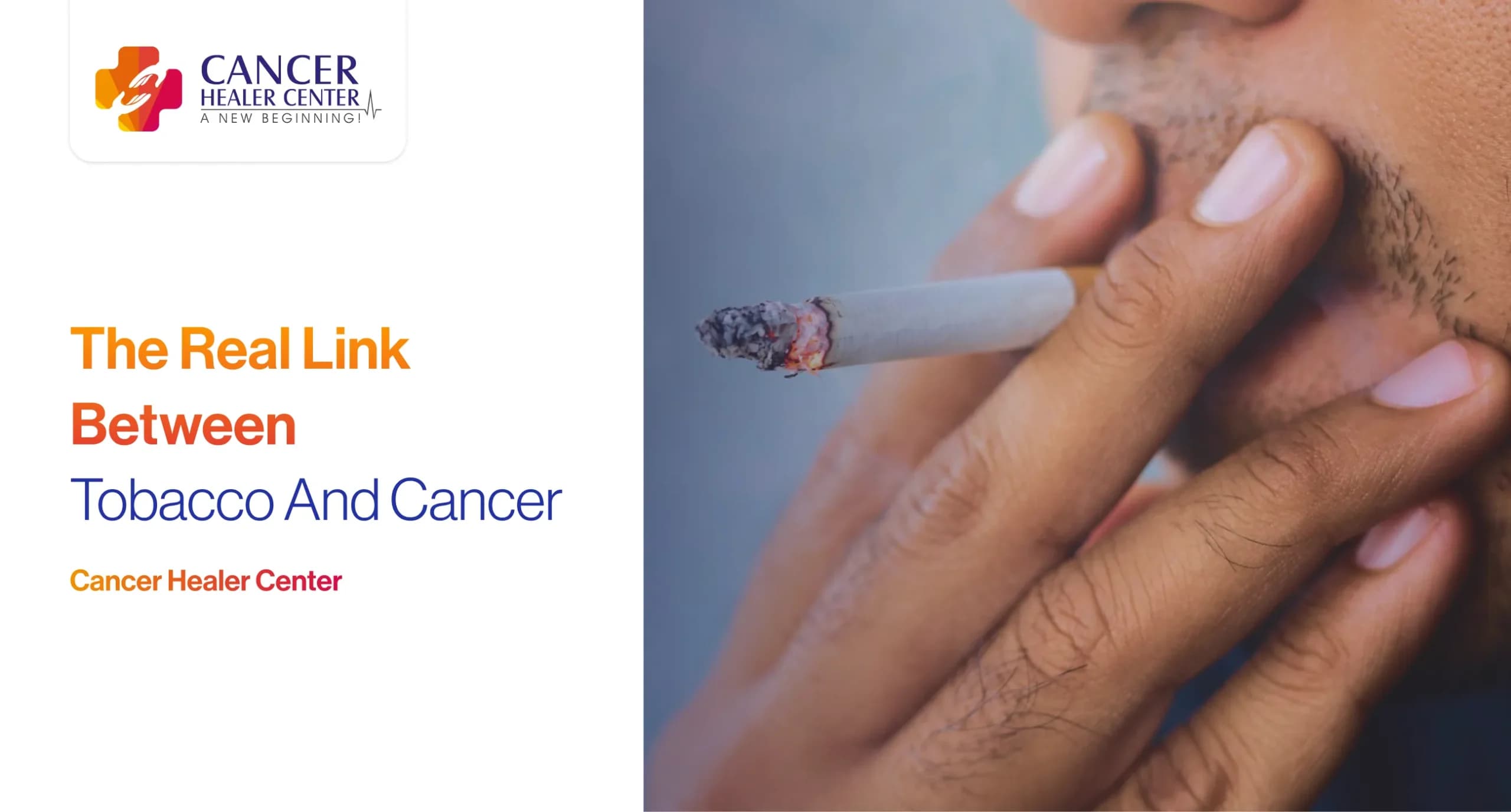

Of all the risk factors linked to cancer, none is as well documented, or as preventable, as tobacco. It is the single largest cause of cancer deaths worldwide, and in India, where tobacco is used in more forms than almost anywhere else, its impact on public health is especially severe. Understanding exactly how tobacco causes cancer, and which cancers it is most strongly tied to, is one of the clearest ways to understand why quitting matters so much, at any stage.
How Tobacco Causes Cancer
Understanding why tobacco causes cancer comes down to what happens at the cellular level. Tobacco carcinogens, including tar, benzopyrene, and nitrosamines, damage the DNA inside cells. Healthy cells have repair mechanisms that fix this kind of damage, but repeated, prolonged exposure to tobacco overwhelms these repair systems over time.
When DNA damage accumulates in genes that control cell growth and division, cells can begin to grow and divide uncontrollably, which is the basic definition of cancer. Tobacco use also triggers chronic inflammation in exposed tissue, which further increases the chance of abnormal cell growth. This is how tobacco causes cancer not just in the lungs, but anywhere tobacco or its byproducts come into direct or indirect contact with the body, including the mouth, throat, and even organs far from the point of exposure, since carcinogens travel through the bloodstream.
Cancers Linked to Tobacco
Tobacco and cancer are linked far more broadly than most people realise. Well-documented cancers associated with tobacco use include:
- Lung cancer
- Oral and mouth cancer
- Throat and larynx cancer
- Oesophageal cancer
- Pancreatic cancer
- Bladder and kidney cancer
- Cervical cancer
- Stomach cancer
- Certain leukaemias
India carries a particularly heavy burden of tobacco-linked oral cancer. The country has one of the highest rates of oral cancer in the world, driven largely by widespread smokeless tobacco use, a pattern less common in many other countries where smoking dominates.
Quitting Tobacco: It Is Never Too Late
One of the most important things to understand about tobacco cancer risk is that it is not fixed. The body begins repairing some of the damage caused by tobacco within days of quitting, and cancer risk continues to decline the longer someone stays tobacco-free. Quitting is difficult, and it is not a matter of willpower alone. Nicotine replacement therapy, counselling, and structured cessation programmes meaningfully improve the odds of quitting for good, and are worth pursuing with proper medical support.
Where Cancer Healer Center Fits In
For patients already living with a tobacco-linked cancer diagnosis, or for families supporting someone through treatment, the road ahead involves more than just quitting tobacco. This is where Cancer Healer Center, led by Dr. Tarang Krishna, plays a role. Cancer Healer Therapy (CAM) is a scientifically structured, herbal-integrative approach that works alongside chemotherapy, immunotherapy, radiation, or surgery, not as a replacement for them, offering support for the body’s resilience and quality of life through active treatment.
If you or a loved one are navigating a tobacco-related cancer diagnosis and want guidance on integrative support alongside your treatment plan, reach out to Cancer Healer Center to understand how it fits your specific case.
Conclusion
Tobacco remains the single most preventable cause of cancer, responsible for damage that reaches far beyond the lungs, into the mouth, throat, pancreas, bladder, and more. In India, where smokeless tobacco use is widespread alongside smoking, the burden of tobacco-linked oral cancer is especially high. The science on how tobacco causes cancer is settled, and so is the science on what happens when someone quits: risk begins to fall almost immediately, and continues to drop over time. For those already facing a diagnosis, quitting and seeking the right support, medical and integrative, can still make a meaningful difference to how the journey ahead unfolds.
Where Integrative Care Comes In
A cancer diagnosis, whether tobacco-related or not, is never just about the treatment plan on paper. It’s about how the body holds up through it, and how much support a patient and their family have along the way. This is where Cancer Healer Center, led by Dr. Tarang Krishna, comes in. Cancer Healer Therapy (CAM) is a scientifically structured, herbal-integrative approach designed to work alongside chemotherapy, immunotherapy, radiation, or surgery, not as a replacement for them, but as support for the body’s resilience and quality of life throughout treatment.
If you or a loved one are navigating a cancer diagnosis and want to understand how integrative support can fit into your treatment plan, reach out to Cancer Healer Center today.
Frequently Asked Questions
There is no fixed number. Risk rises with duration and frequency of use, and cancers can develop after years of regular use, sometimes a decade or more, though this varies person to person based on other factors too.
Tobacco-specific nitrosamines, formed during curing and processing, along with other carcinogenic compounds in the leaf, damage the DNA in cells they repeatedly contact, mainly in the mouth and throat.
Risk builds cumulatively with both years smoked and cigarettes per day. Even a decade of regular smoking meaningfully raises risk, and long-term smokers face significantly higher odds than short-term or occasional smokers.
Yes. Even unprocessed tobacco leaf contains natural carcinogenic compounds, including nitrosamines, so “pure” tobacco is not a safer alternative to processed products.
Regular smokeless tobacco users face several times the oral cancer risk of non-users, with risk climbing further with heavier or longer-term use.
Cancer risk from smoking builds over years, not months, so six months alone is unlikely to cause cancer. But it does begin the process of cellular damage, and there’s no truly “safe” amount of tobacco exposure.
Tobacco use is the leading preventable cause of cancer worldwide, linked to at least 20 cancer types through the carcinogens it introduces into the body via smoking, chewing, or secondhand exposure.
Common warning signs include persistent cough, unexplained weight loss, hoarseness, mouth sores that don’t heal, difficulty swallowing, and unusual lumps, though symptoms vary by cancer type and warrant prompt medical evaluation.