
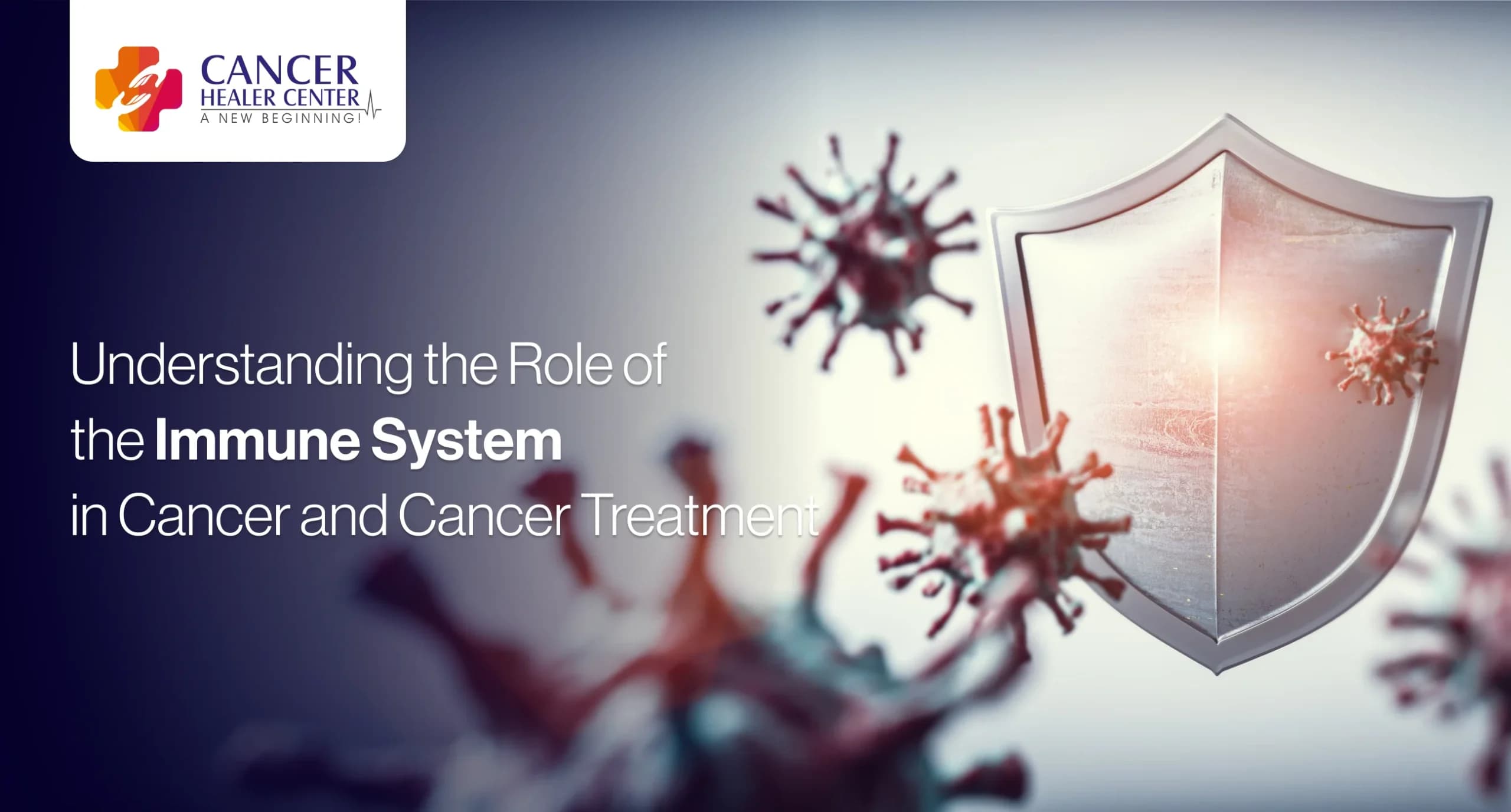

The immune system protects the body every day. It identifies infections, responds to damaged cells and helps maintain balance across different organs and tissues. Its role in cancer is more complex because cancer develops from the body’s own cells. This can make abnormal cells more difficult for the immune system to identify and respond to effectively.
Understanding this relationship can help patients make sense of conventional immunotherapy and immune-focused complementary care. At Cancer Healer Center (CAM), Cancer Healer Therapy (CAM) works through the immune system as part of an individualised approach that is positioned alongside conventional cancer treatment.
What Does the Immune System Do?
The immune system is an interconnected network that helps protect the body and maintain internal balance. It responds not only to infections but also to tissue damage, abnormal cells and other internal or external threats.
Immune cells perform several specialised functions. They can recognise antigens, engulf harmful material, destroy abnormal cells and release antibodies or chemical messengers called cytokines. These signals help different immune cells coordinate their response.
The immune system also communicates with the nervous, circulatory, metabolic, endocrine, musculoskeletal and blood-forming systems. Because immune cells travel through the bloodstream and are present in nearly every tissue, they can detect changes and influence many processes throughout the body.
Immunity therefore involves more than defence against disease. It contributes to tissue repair, communication between organ systems and the maintenance of normal physiological balance.
How Does the Immune System Recognise Cancer?
Cancer begins when normal cells develop changes that allow them to grow and divide without the usual controls. As cancer develops, abnormal proteins or cellular signals may appear. In some situations, immune cells recognise these changes and respond.
Immune cells are sometimes found within or around tumours. This shows that the immune system can recognise abnormal activity. However, recognition does not always lead to complete removal of cancer cells.
Cancer is a difficult target because it develops from the body’s own tissues and may share many features with healthy cells. Cancer cells can also continue changing as the disease progresses.
How Can Cancer Escape Immune Surveillance?
Immune surveillance refers to the immune system’s ongoing ability to identify and respond to abnormal cells. Cancer cells may develop several ways to avoid this surveillance.
Some cancer cells become less visible to immune cells. Others produce signals that reduce immune activity or use the body’s natural immune controls to protect themselves. A tumour can also influence the tissues around it, creating a tumour microenvironment that makes it more difficult for immune cells to function effectively.
A simple way to understand this is to imagine a security system. The system may recognise a threat, but the threat may learn how to avoid detection, block the alarm or interfere with the response. The immune system has not stopped working. Cancer has developed ways to make the immune response less effective.
This understanding has shaped the development of treatments that target specific parts of the relationship between cancer cells and immune cells.
What Is Conventional Cancer Immunotherapy?
Conventional immunotherapy is a group of cancer treatments that helps the immune system act against cancer. Different forms of immunotherapy work through different biological mechanisms and are used for selected cancers and clinical situations.
Immune checkpoint inhibitors are one example. The immune system has natural checkpoints that prevent immune responses from becoming too strong. Some cancer cells use these checkpoints to reduce T-cell activity. Checkpoint inhibitors block selected signals, allowing immune cells to respond more effectively against cancer.
In CAR T-cell therapy, a patient’s T cells are modified in a laboratory to recognise a particular target on cancer cells and then returned to the patient. It is used mainly for selected blood cancers.
Other forms of immunotherapy include certain monoclonal antibodies, cancer treatment vaccines and immune-system modulators. The suitability of any conventional immunotherapy depends on factors such as cancer type, stage, tumour characteristics, previous treatments, general health and biomarker results.
How Is Cancer Healer Therapy (CAM) Different?
Cancer Healer Therapy (CAM) is the immune-focused approach followed at Cancer Healer Center (CAM). It works through the body’s natural immune system while considering the patient’s cancer type and stage, previous and ongoing treatments, current health, medicines, medical reports and individual care needs.
Every patient’s cancer journey is different. Even two people with the same diagnosis may have different treatment histories, health conditions and care requirements. Cancer Healer Therapy (CAM) is therefore individualised for each patient and reviewed as their health and treatment journey change. By working with the body’s immune system and natural physiological balance, the approach provides personalised immune-focused care with zero side effects.
How Does Cancer Healer Therapy (CAM) Fit With Conventional Treatment?
Cancer Healer Therapy (CAM) is intended to complement medically indicated cancer treatment, not replace or delay it. Depending on the diagnosis, conventional treatment may include surgery, chemotherapy, radiation therapy, targeted therapy, hormone therapy, immunotherapy or a combination of treatments.
The oncologist remains responsible for decisions about conventional cancer treatment. Patients should keep their oncology team informed about any complementary therapy, medicine or product they are using or considering. The team providing complementary care should also understand the patient’s diagnosis, treatment plan, medicines and relevant medical reports.
This coordinated approach helps place immune-focused care within the wider cancer journey. The aim is not to create two separate pathways. It is to understand the patient’s complete medical situation and ensure that each part of the care plan is considered carefully.
Why Is an Individualised Immune-Focused Approach Important?
Cancer includes many types and subtypes, each of which can behave differently. Patients also vary in general health, previous treatments, current medicines and response to treatment.
The immune system cannot be understood simply as strong or weak. Immune activity needs to be appropriately regulated so that the body can respond to threats without affecting healthy tissues.
An individualised approach therefore begins with understanding where the patient is now. This may include reviewing the diagnosis, stage, pathology findings, current and previous treatments, medicines, symptoms and recent investigations. The plan can then be discussed in the context of the patient’s wider cancer care.
Treatment plans and medical circumstances can change. Cancer Healer Therapy (CAM) can therefore be reviewed as the patient moves through different phases of care.
What Can Patients Expect at Cancer Healer Center (CAM)?
The process begins with reviewing the patient’s history, medical reports, current treatment and medicine list.
The consultation provides an opportunity to discuss how Cancer Healer Therapy (CAM) works through the immune system, why an individual approach is being considered and how it may fit alongside conventional treatment.
Patients and families can ask:
- How does Cancer Healer Therapy (CAM) work through the immune system?
- How will the approach be individualised for this diagnosis and treatment stage?
- How will it fit with surgery, chemotherapy, radiation therapy or other prescribed treatment?
- What information and medical reports are needed before starting?
- How will progress and changing care needs be reviewed?
- Who should be contacted if the conventional treatment plan changes?
Clear answers help patients understand the proposed role of Cancer Healer Therapy (CAM) and participate confidently in decisions about their care.
A Reassuring Perspective for Patients and Families
Patients do not need to understand every immune pathway. The key idea is that immunity can recognise abnormal activity, while cancer cells may develop ways to escape or weaken that response.
Conventional immunotherapy targets specific immune pathways using established cancer medicines. Cancer Healer Therapy (CAM) follows a different, individualised immune-focused approach at Cancer Healer Center (CAM). It is planned around the patient’s diagnosis, treatment history, current health and changing care needs.
Most importantly, patients do not have to view immune-focused care and conventional oncology as competing choices. Cancer Healer Therapy (CAM) is positioned alongside the treatment recommended by the oncology team. Open communication between patients and healthcare professionals helps maintain a coordinated and informed cancer-care journey.
What Should You Do Next?
If you are considering Cancer Healer Therapy (CAM), gather your diagnosis, pathology report, recent scans, blood-test results, treatment summaries and current medicine list. Write down the questions you want to discuss during the consultation.
The Cancer Healer Center (CAM) team can then review your medical journey and explain how an individualised, immune-focused approach may fit alongside your existing cancer-treatment plan.
Cancer Healer Therapy (CAM) is designed to support an individualised cancer-care journey alongside conventional treatment. Patients can discuss how it may fit into their overall care plan with appropriately qualified healthcare professionals.
References
- National Cancer Institute. Immunotherapy to Treat Cancer. U.S. National Institutes of Health.
https://www.cancer.gov/about-cancer/treatment/types/immunotherapy - National Cancer Institute. Immune Checkpoint Inhibitors. U.S. National Institutes of Health.
https://www.cancer.gov/about-cancer/treatment/types/immunotherapy/checkpoint-inhibitors - National Cancer Institute. What Is Cancer? U.S. National Institutes of Health.
https://www.cancer.gov/about-cancer/understanding/what-is-cancer - National Cancer Institute. T-Cell Transfer Therapy. U.S. National Institutes of Health.
https://www.cancer.gov/about-cancer/treatment/types/immunotherapy/t-cell-transfer-therapy - National Cancer Institute. Cancer Treatment Vaccines. U.S. National Institutes of Health.
https://www.cancer.gov/about-cancer/treatment/types/immunotherapy/cancer-treatment-vaccines - National Center for Complementary and Integrative Health. Cancer and Complementary Health Approaches: What You Need to Know. U.S. National Institutes of Health.
https://www.nccih.nih.gov/health/cancer-and-complementary-health-approaches-what-you-need-to-know - American Cancer Society. How Immunotherapy Is Used to Treat Cancer.
https://www.cancer.org/cancer/managing-cancer/treatment-types/immunotherapy.html
Frequently Asked Questions
The immune system can recognise and respond to abnormal cells. However, cancer cells can develop ways to avoid detection or interfere with immune responses, which may allow them to continue growing.
The immune system can recognise some abnormal or cancerous cells, but this does not mean it can always eliminate cancer. Cancer cells may evade or suppress immune responses. People diagnosed with cancer should follow the treatment plan recommended by their oncology team rather than relying on attempts to “boost” immunity.
Cancer immunotherapy is a group of medical treatments that helps the immune system act against cancer. Examples include immune checkpoint inhibitors, CAR T-cell therapy, certain monoclonal antibodies and cancer treatment vaccines. The type of immunotherapy used depends on factors such as the cancer type, stage, tumour characteristics, biomarkers and the patient’s overall health.
No. Conventional immunotherapy uses specific medicines or cellular treatments that act on defined immune targets and are used for selected cancers. Cancer Healer Therapy (CAM) is described by Cancer Healer Center as an immune-focused complementary approach and should not be confused with conventional oncology immunotherapy.
Cancer Healer Therapy (CAM) is positioned as complementary care rather than a replacement for conventional cancer treatment. Whether any complementary approach is appropriate alongside chemotherapy, radiation therapy, immunotherapy or other treatment should be considered individually. Patients should keep their oncology team informed about complementary therapies or products they use or are considering.
Cancer and immunity are more complex than simply having a “strong” or “weak” immune system. Different immune cells and pathways have different roles, and cancer can develop mechanisms that help it escape immune responses. Patients should be cautious of products or therapies that claim that simply “boosting immunity” can prevent or cure cancer.
Some complementary products or therapies may interact with medicines or cancer treatments. Telling your oncology team about everything you take or use, including herbal products, supplements and complementary therapies, helps healthcare professionals identify potential safety concerns and coordinate your care.