

Being told you need radiation therapy can bring fear of the unknown. People worry about burns, hair loss, whether they will be radioactive and how they will cope with daily visits. Knowing what happens at each step takes away much of that fear.
This guide explains radiation therapy for cancer in plain language: what radiotherapy is, how treatment is planned and delivered, the common side effects and what you can do about them. It is meant to help you prepare questions for your own doctor. It cannot replace advice from your radiation oncology team.
Have a question about radiation treatment?
What Is Radiation Therapy? The Radiotherapy Meaning
If you are asking what is radiotherapy, it is a treatment that uses high-energy radiation, such as X-rays or protons, to damage the DNA inside cancer cells so they cannot grow or divide. Normal cells in the treated area are also affected, but they are usually better at repairing themselves, and the treatment is planned to spare healthy tissue as much as possible (Baskar et al., 2012).
Radiotherapy means carefully aimed radiation used as medicine. It is estimated that around half of all people with cancer receive radiotherapy at some point during their illness (Baskar et al., 2012). It can be used to:
- Cure a cancer, sometimes along with surgery or chemotherapy
- Shrink a tumour before surgery or kill remaining cells after surgery
- Ease symptoms such as bone pain, bleeding or pressure from a tumour, which is called palliative radiotherapy.
Types of Radiation Therapy for Cancer
| Type | How it works | Used for, for example |
|---|---|---|
| External beam radiotherapy | A machine outside the body directs beams at the tumour | Breast, head and neck, brain, prostate, lung and many others |
| Brachytherapy (internal) | A radioactive source is placed inside or next to the tumour for a short or long time | Cervix, prostate, some head and neck and oesophageal cancers |
| Stereotactic radiotherapy | Very precise, high doses in one to five sessions | Small brain, lung, spine or liver tumours |
| Systemic radioisotope treatment | A radioactive medicine is swallowed or injected | Some thyroid cancers and bone or neuroendocrine tumours |
Modern machines use techniques such as IMRT and image-guided radiotherapy that shape the beam closely around the tumour and check the position before each session.
What to Expect During Radiation Therapy
- Consultation. The radiation oncologist reviews your scans, reports and general health, and explains the aim of treatment.
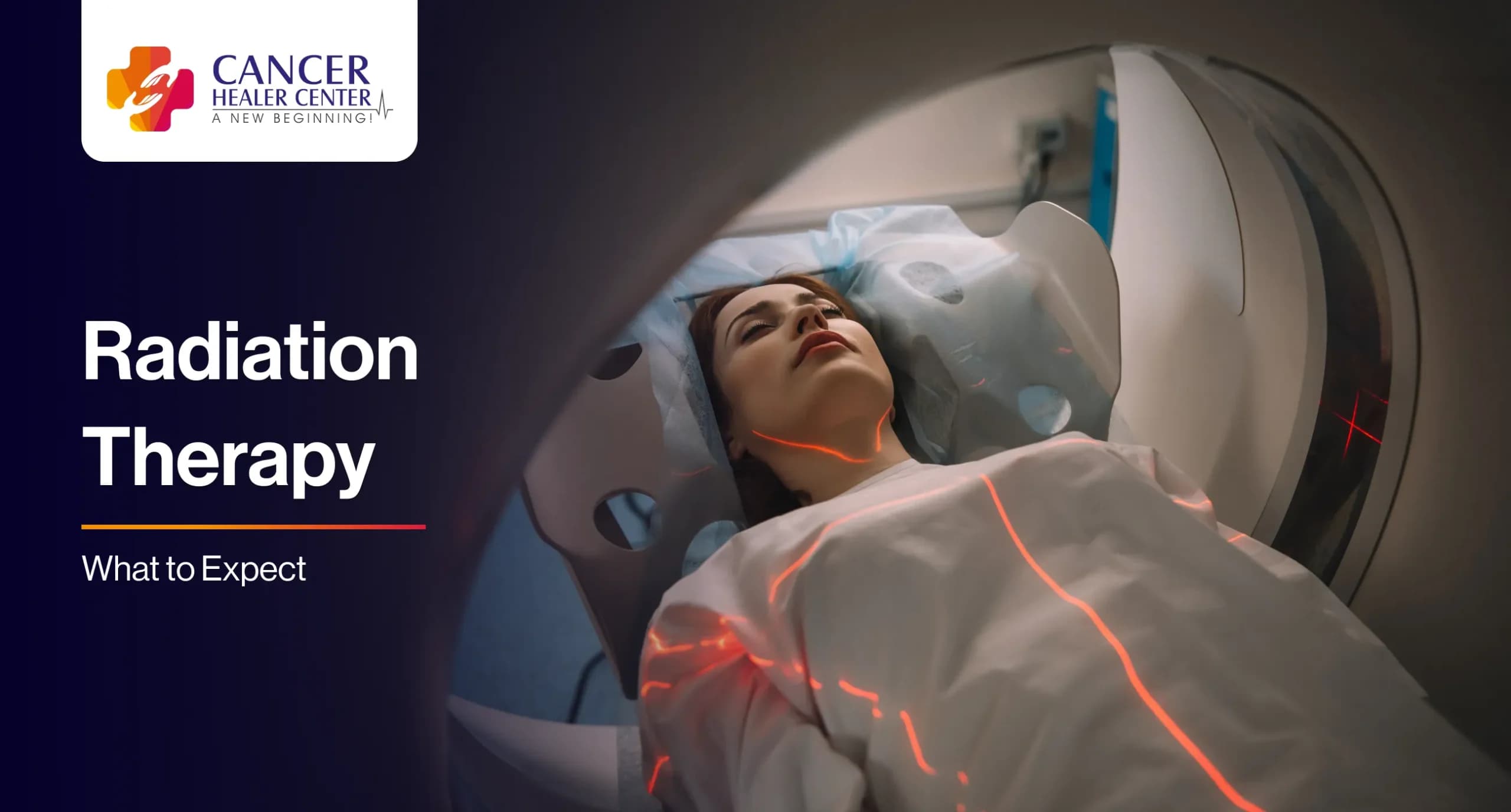
- Planning scan. You lie on a CT scanner in the exact position you will be treated in. The team may mark your skin with small tattoo dots and may make a mask or cushion to keep you still.
- Treatment planning. Doctors and physicists design the plan on a computer. This usually takes a few days.
- Daily treatment. Most people attend on weekdays for one to eight weeks. A session takes about 15 to 30 minutes in the room, but the beam itself is on for only a few minutes. It does not hurt, and you will not see or feel it.
- Weekly checks. The team reviews your side effects, weight and blood tests, and adjusts care.
- Follow-up. After the course ends you will be seen to check the response and to manage any lasting effects.
After external beam radiotherapy you are not radioactive, so it is safe to be around children and family. Brachytherapy and radioisotope treatments have separate safety instructions that your team will explain.
Radiation Therapy Cost in India
People often ask about radiotherapy cost in India. It varies widely because it depends on the technique used, the number of sessions, the body part treated, whether it is combined with other treatment and the type of hospital. Ask the treating centre for a written estimate that lists planning, daily sessions, consultations, scans and follow-up so there are no surprises.
Radiation Therapy Side Effects
Radiation therapy side effects depend on the body area treated, the dose and whether chemotherapy is given at the same time. Radiation affects only the area in the beam, so hair loss, for example, happens only where the beam passes. Most early effects start in the second or third week and improve over the weeks after the course ends.
| Area treated | Common side effects |
|---|---|
| Any area | Tiredness, skin redness, dryness or itching, loss of hair in the treated area |
| Head and neck | Mouth sores, dry mouth, taste change, sore throat, trouble swallowing |
| Breast and chest | Skin soreness, cough, breathlessness, trouble swallowing |
| Abdomen and pelvis | Nausea, loose stools, bladder irritation, bowel changes |
| Brain | Headache, tiredness, hair loss, sometimes nausea |
Some effects appear months or years later, such as skin thickening, dry mouth that does not fully recover or swelling in an arm after breast radiation. Your team will tell you which late effects are relevant to you.
How to Manage Radiotherapy Side Effects
Tiredness
Fatigue is the most common side effect. Plan rest breaks, and do light activity such as a short daily walk if your doctor agrees. It often helps more than complete rest. Eat regularly and drink enough fluid.
Skin care
Guidelines suggest gentle skin care during radiotherapy (Wong et al., 2013). In practice that usually means:
- Wash the area gently with lukewarm water and a mild soap, and pat dry
- Wear loose cotton clothes over the treated area
- Protect the skin from sun, heat pads and tight straps
- Use only the moisturiser or cream your radiation team approves
- Do not apply home remedies, oils, pastes or herbal preparations to the area unless the team agrees, as some can irritate the skin or interfere with treatment
Tell the team early if the skin becomes raw, blistered or weepy. Treatments exist.
Mouth and throat care
If you are having radiation to the head and neck, careful mouth care can reduce the severity of sores (Lalla et al., 2014). Brush gently with a soft brush, rinse often with a bland solution such as salt and baking soda in water, avoid alcohol-based mouthwash, tobacco and spicy food, and stay hydrated. Your team may prescribe a medicated rinse or pain relief. Visit your dentist before treatment starts.
Appetite, nausea and bowel changes
Eat small frequent meals and choose soft, bland foods if swallowing hurts or get a proper diet for cancer patients from a dietitian. Tell your team if nausea or diarrhoea lasts more than a day, because there are medicines that help.
Emotional wellbeing
Daily travel, waiting rooms and uncertainty can be draining. Talking to a counsellor, joining a support group or asking a family member to come along can make the course easier.
When Should You Call Your Doctor?
Call your radiation team the same day if you have a fever, skin that blisters or breaks open, mouth sores that stop you eating or drinking, vomiting or diarrhoea lasting more than 24 hours, new or worsening shortness of breath, or blood in your urine or stool.
Go to an emergency department for chest pain, severe breathing difficulty, sudden weakness, severe headache with vomiting or confusion, or heavy bleeding.
Radiotherapy Alongside Other Cancer Care
Radiotherapy is a key part of treatment for many cancers. Radiation itself is delivered by your radiation oncology team. Cancer Healer Center offers consultations for people with cancer and their families, including remote consultations for those who cannot travel, and Cancer Healer Therapy (CAM), a herbal-based supportive approach meant to be used alongside the treatment prescribed by your oncologist and not instead of it. Please tell your radiation oncologist about every herbal or supplement product you take, as some can interact with treatment. You can explore the Cancer Healer Center locations to find a centre convenient for you.
For appointments or general enquiries, reach out to the centre.
References
Baskar, R., Lee, K.A., Yeo, R. and Yeoh, K.W. (2012) ‘Cancer and radiation therapy: current advances and future directions’, International Journal of Medical Sciences, 9(3), pp. 193-199. doi:10.7150/ijms.3635.
Lalla, R.V., Bowen, J., Barasch, A., et al. (2014) ‘MASCC/ISOO clinical practice guidelines for the management of mucositis secondary to cancer therapy’, Cancer, 120(10), pp. 1453-1461. doi:10.1002/cncr.28592.
Wong, R.K.W., Bensadoun, R.J., Boers-Doets, C.B., et al. (2013) ‘Clinical practice guidelines for the prevention and treatment of acute and late radiation reactions from the MASCC Skin Toxicity Study Group’, Supportive Care in Cancer, 21(10), pp. 2933-2948. doi:10.1007/s00520-013-1896-2.
Frequently Asked Questions
Radiation therapy, or radiotherapy, uses high-energy beams to damage cancer cells so they cannot grow. It is a local treatment given to the area of the body where the cancer is.
Radiotherapy means treating disease, mainly cancer, with carefully aimed radiation. It can be used to cure, to shrink a tumour or to ease symptoms.
Tiredness and skin changes are the most common. Others depend on the area treated, such as mouth sores with head and neck radiation, or bowel and bladder symptoms with pelvic radiation.
The treatment itself is painless, like having an X-ray. Side effects such as sore skin or a sore mouth can cause discomfort, and they can be treated.
No, not after external beam radiotherapy. Brachytherapy and radioisotope treatments have special precautions that your team will explain.
Most courses run for one to eight weeks, on weekdays, depending on the cancer and the plan. Stereotactic treatments may need only one to five sessions.
Cost varies with the technique, number of sessions, body area and the hospital. Ask the treating centre for a written estimate before you begin.