

Hearing the word “cancer” changes everything overnight. Suddenly there are new terms to learn, doctors to meet, and decisions that may feel too big to make quickly. For decades, chemotherapy, surgery, and radiation were the go-to answers. Now, immunotherapy for cancer is giving patients another path, one that works with the body instead of against it.
If you’re trying to understand what immunotherapy for cancer is and whether it might help you or someone you love, this guide breaks it down in plain language. We’ll cover how it works, how it’s different from older treatments, and what patients exploring immunotherapy for cancer in India should know.
What Is Immunotherapy in Cancer?
To understand what immunotherapy in cancer is, start with your immune system. Think of it as your body’s built-in security team, constantly on patrol for anything that doesn’t belong: bacteria, viruses, or cells that have started behaving abnormally.
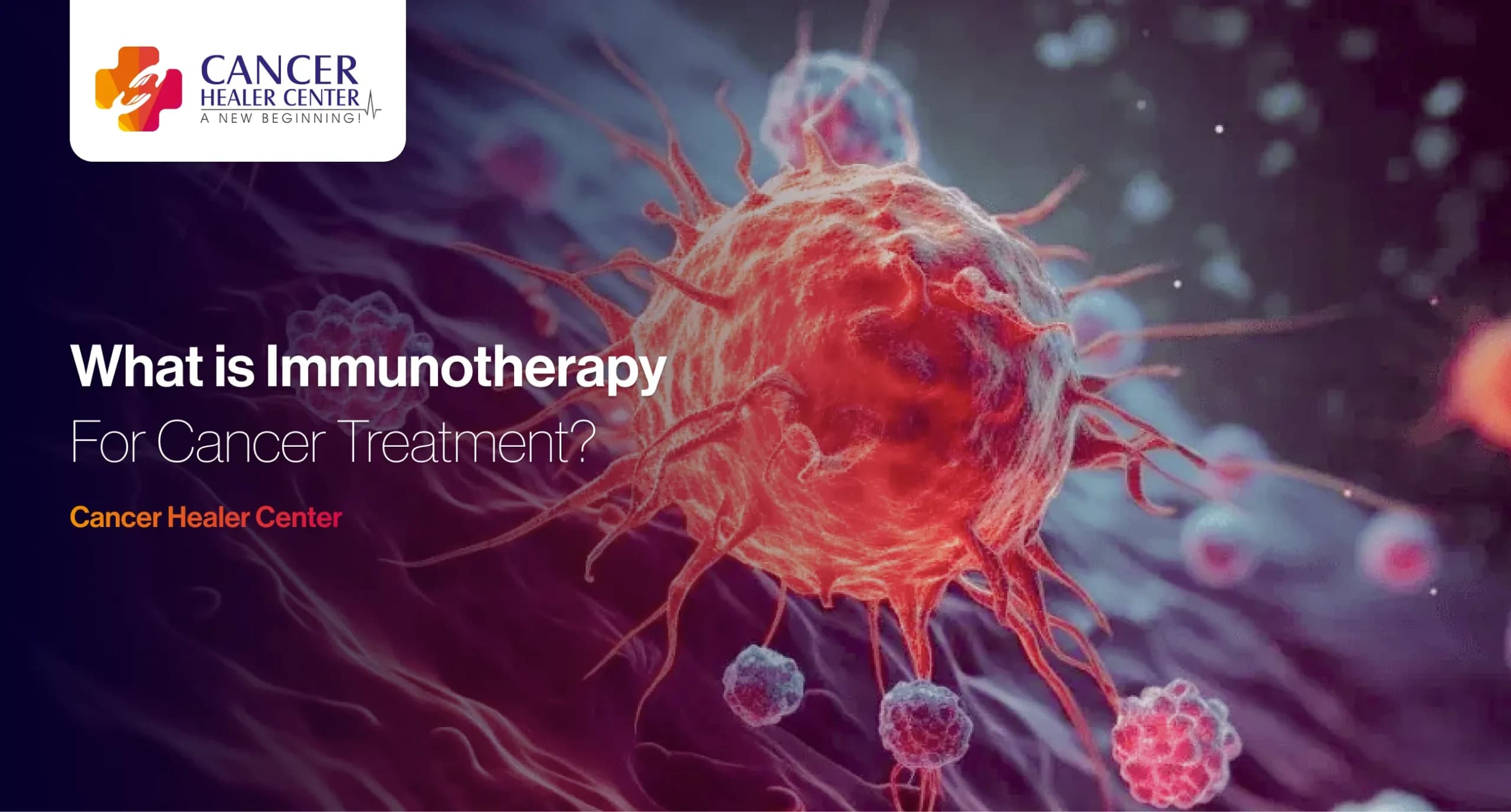
Cancer cells multiply silently. Over time, they figure out how to slip past this security team. Some send out chemical signals that tell immune cells to stand down. Others disguise themselves so well that they blend right in with healthy tissue.
This is where immunotherapy for cancer treatment comes in. Instead of flooding the body with drugs that attack cells directly, the way chemotherapy does, it retrains the immune system to recognise cancer cells for what they are and go after them specifically.
How Does Immunotherapy Actually Work?
At its core, immunotherapy for cancer strips away the disguise cancer cells rely on. It does this in a handful of ways:
- Switching off the “stop” signals so the immune system keeps working.
- Marking cancer cells for removal so they are easier to spot and destroy.
- Boosting immune activity overall so white blood cells can keep hunting abnormal cells.
The treatment relies on the body’s own defences instead of external chemicals, making it more precise than older approaches.
The Different Types of Immunotherapy
Not every cancer responds the same way, so doctors have several tools to choose from based on the diagnosis and its stage:
- Checkpoint inhibitors: drugs that shut down the tricks cancer cells use to avoid detection.
- Monoclonal antibodies: lab-made proteins that latch onto cancer cells and mark them for destruction.
- CAR T-cell therapy: a patient’s own immune cells are removed, reprogrammed in a lab to recognise cancer, and then reinjected.
- Cancer vaccines: injections that train the immune system to identify and attack specific cancer cells.
- Immunomodulators: general immune boosters that support the body’s overall ability to fight disease.
What Are the Side Effects of Immunotherapy?
Immunotherapy during cancer treatment works through the immune system. Instead of attacking every fast-dividing cell in the body, the side effect profile looks quite different from chemotherapy’s.
Because the immune system becomes hyper-activated, side effects can happen when immune cells mistakenly target normal, healthy tissues alongside the cancer. These often show up as autoimmune-like inflammation in different organs.
- Skin: itchy rashes, redness, or vitiligo.
- Digestive tract: colitis, leading to severe diarrhoea or abdominal cramping.
- Lungs: pneumonitis, causing a persistent dry cough or shortness of breath.
- Endocrine glands: inflammation of the thyroid or pituitary gland, causing fatigue, sudden weight shifts, or hormone imbalances.
- Liver: hepatitis, often caught on routine blood work before symptoms start.
These side effects can vary widely and are usually managed by temporarily pausing treatment or using corticosteroids to calm the immune response.
Immunotherapy for Cancer in India
Access to immunotherapy for cancer in India has grown considerably over the past several years. Hospitals and speciality centers in major cities now offer detailed evaluations and treatment plans built around each patient’s specific diagnosis and health history.
Many patients across India aren’t just looking for the treatment itself. They also want support for their overall strength, immune function, and quality of life while they go through it.
How Cancer Healer Center Supports Patients
Fighting cancer isn’t only about the disease itself. It’s also about helping the body hold up through everything treatment demands.
That’s the focus at Cancer Healer Center, led by Dr Tarang Krishna. The center offers Cancer Healer Therapy (CAM), an integrative program built around immunotherapy principles, using herbal-based protocols intended to support the body’s natural defences alongside standard medical care, not in place of it.
With locations across Mumbai, Delhi, Bangalore, Chandigarh, Ahmedabad, and Indore, the center’s approach focuses on building immune strength, improving day-to-day quality of life, and offering integrative support alongside conventional cancer treatment or as part of a longer-term care plan.
The Bottom Line
Getting a clear answer to “What is immunotherapy for cancer?” puts you in a stronger position when you sit down with your oncologist. By working with the immune system rather than overriding it, immunotherapy offers a more targeted, and often gentler, way to fight the disease.
If you or someone in your family is weighing treatment options, it’s worth having an honest conversation with your medical team about whether immunotherapy, paired with the right integrative care, could be part of the path forward.
Frequently Asked Questions
It’s used across stages, from early to advanced or metastatic cancer. The right fit depends on your cancer type, biomarkers, and overall health, so your oncologist decides case by case.
Sometimes, yes. Some patients, especially with melanoma or certain blood cancers, reach long-term remission. Others may see their cancer shrink or stabilise, but this does not mean a full cure. Results vary by patient and cancer type.
Typically anywhere from six months to two years, sometimes longer. Doctors track scans and bloodwork regularly to decide whether to continue or stop.
Yes, it’s possible even after remission. Regular follow-up scans help catch recurrence early, and many patients can restart immunotherapy or try another treatment if needed.