
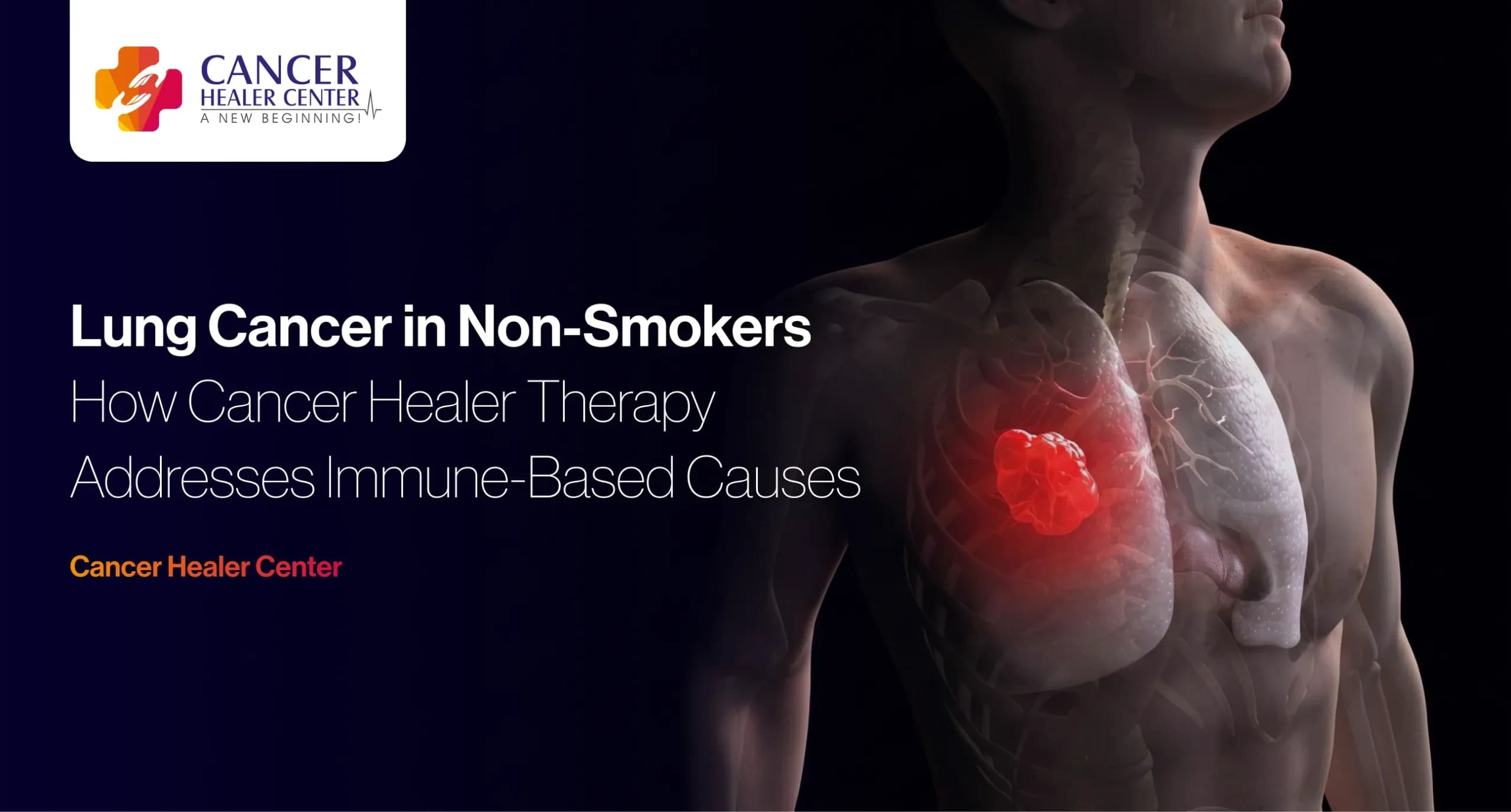

Lung cancer and smoking have been associated in the public mind for so long that many people are surprised to learn how many patients diagnosed with the disease have never smoked a cigarette.
Getting this diagnosis as a non-smoker often brings a wave of confusion and unanswered questions. Understanding what causes lung cancer in non-smokers, how a lung cancer non-smoker diagnosis differs from a smoking-related one, and how newer treatment approaches work may help make this journey a little easier to face.
What Causes Lung Cancer in Non-Smokers?
Tobacco is still the leading cause of lung cancer overall, but when someone who has never smoked receives this diagnosis, doctors may have to look at other causes. Several environmental, genetic, and biological factors may contribute:
- Radon gas exposure
- Secondhand smoke
- Environmental pollutants and chemicals
- Genetic mutations
- Immune dysregulation
A closer look at what causes lung cancer in non-smokers makes clear that this disease is not confined to lifestyle-related risk factors. It can affect virtually anyone.
Lung Cancer Types: Smokers vs. Non-Smokers
Oncologists group lung cancer into different types depending on how the cells look and behave under the microscope.
- Smokers: squamous cell carcinoma and small cell lung cancer, most closely tied to heavy, long-term tobacco use.
- Non-Smokers: adenocarcinoma, a subtype of non-small cell lung cancer, more often linked to genetic mutations and a weakened immune response.
The Role of the Immune System in Non-Smoker Lung Cancer
Your immune system is meant to work like a round-the-clock monitoring service, on the lookout for abnormal cells and ready to shut them down before they become a problem. In many non-smokers, lung cancer takes hold because cancer cells manage to find quiet ways to slip past the white blood cells meant to catch them.
Immune system-related causes of lung cancer in non-smokers can include weakened immune surveillance, chronic inflammation, immune evasion by early cancer cells, autoimmune conditions and immunosuppressive treatment, and genetic factors affecting immune response.
How Cancer Healer Therapy (CAM) Helps
Facing a cancer diagnosis is never easy, but it may help to have care that supports your body’s own strength, not just treatment aimed at the tumour itself.
The Cancer Healer Center, led by Dr Tarang Krishna, offers an integrative treatment approach called Cancer Healer Therapy (CAM). Built around immunotherapy principles, it focuses on helping the immune system get stronger so it can recognise, target, and fight cancer cells on its own throughout the lungs and the rest of the body.
Patients can find consultation and care at Cancer Healer Center locations across India, including Mumbai, Delhi, Bangalore, Chandigarh, Ahmedabad, and Indore.
Taking the Next Step
A lung cancer diagnosis in a non-smoker can feel disorienting, but there are more thoughtful, targeted treatment options available today than ever before. Paying attention to immune health offers a way to fight the disease while still protecting overall well-being.
If you or someone in your family is exploring holistic, immune-focused options for lung cancer care, reach out to the team at Cancer Healer Center to learn how a personalised treatment plan could support your path back to health.
Frequently Asked Questions
Most commonly adenocarcinoma, a slower-growing subtype of non-small cell lung cancer, often linked to genetic and immune factors rather than chemical exposure.
It varies widely based on stage, type, and treatment response. Early-stage cases have much better outcomes, so it’s best discussed with an oncologist directly.
A small tumour confined to the lung with no spread to lymph nodes or elsewhere. It’s usually the most treatable stage, often managed with surgery.
Typically to nearby lymph nodes in the chest, then possibly to the other lung, liver, bones, adrenal glands, or brain.
There’s no set timeline. It depends on the cancer type and individual factors, ranging from years for slow-growing types to just months for aggressive ones.