
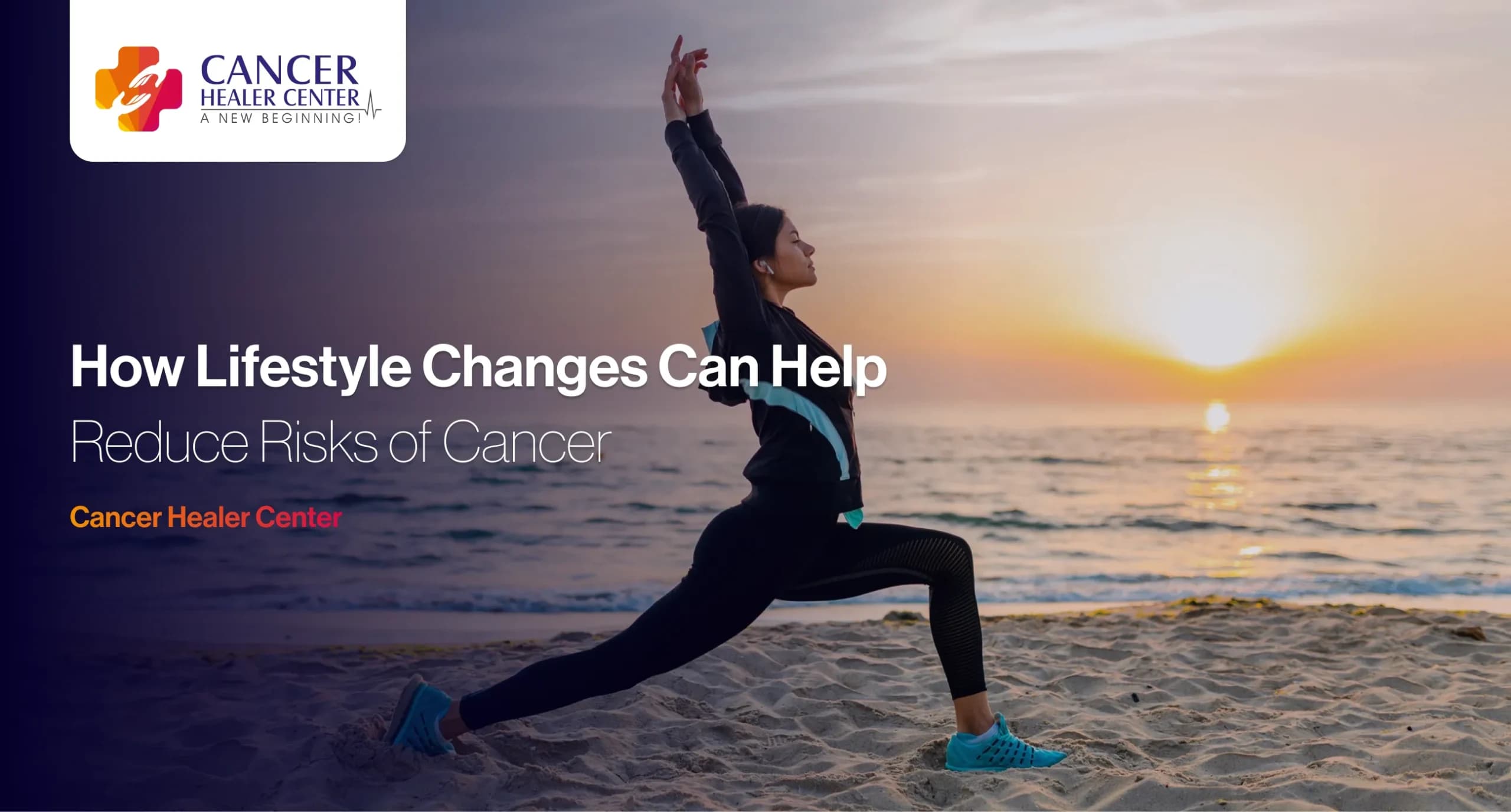

Cancer treatment is often thought of purely in terms of medicine: chemotherapy, radiation, surgery, immunotherapy. But what happens outside the hospital, in daily habits, diet, and routine, plays a real role too. Lifestyle does not replace medical treatment, but it can meaningfully support how the body responds to it, and in some cases, how much risk a person carries in the first place.
This is especially relevant in India, where lifestyle-related cancers are on the rise alongside changing diets, tobacco use patterns, and increasingly sedentary routines. Understanding the link between cancer and lifestyle can help patients and families make informed choices, both to lower risk and to support the body through active treatment.
What Are Lifestyle-Related Cancers?
Cancers where daily habits and environmental exposures play a significant role in either causing the disease or raising the risk of it are referred to as lifestyle related cancers. This does not mean lifestyle is the only factor. Genetics, chronic infections, and environmental exposure all play a part too. However, research consistently shows that a fair share of cancers are linked to modifiable behaviours.
In India specifically, some of the most common lifestyle choices that cause cancer include:
- Tobacco use, both smoked and smokeless. India has one of the highest rates of oral cancer in the world, driven largely by chewing tobacco, gutka, and paan masala.
- Alcohol consumption is linked to cancers of the liver, oesophagus, and breast.
- Poor diet, particularly diets low in fruits, vegetables, and fibre, and high in processed or ultra-processed foods.
- Physical inactivity, which is associated with higher risk of colorectal, breast, and endometrial cancers.
- Excess body weight, which affects hormone levels and inflammation and is linked to several types of cancers.
- Prolonged sun exposure without protection may contribute to several types of skin cancers.
Can a Healthy Lifestyle Prevent Cancer?
This is one of the most common questions people ask, and the honest answer is: it can meaningfully reduce risk, but it cannot guarantee prevention. Cancer develops through a combination of genetic, environmental, and lifestyle factors, and no single change eliminates risk entirely.
A 2026 global analysis by the World Health Organization and the International Agency for Research on Cancer, published in Nature Medicine, found that an estimated 37.8 percent of new cancer cases worldwide are attributable to modifiable risk factors like tobacco use, alcohol, high body weight, physical inactivity, and infections. That is a meaningful number. It means lifestyle changes to reduce cancer risk are not a minor detail. They are one of the most powerful tools available for prevention, alongside regular screening and vaccination against cancer-causing infections like HPV and Hepatitis B.
Lifestyle Changes You Can Make to Avoid Risks of Cancer
For those looking to lower their risk, the evidence points to a fairly consistent set of habits:
- Avoid tobacco in every form, including cigarettes, bidis, gutka, khaini, and paan masala.
- Limit alcohol intake.
- Build a diet around whole foods such as vegetables, fruits, whole grains, and legumes.
- Stay physically active with regular movement such as a daily brisk walk.
- Maintain a healthy body weight.
- Protect against chronic infections with HPV vaccination and Hepatitis B vaccination.
- Get regular screenings for cervical, breast, oral, and colorectal cancers.
Where Integrative Support Fits In
Turning “eat better,” “stay active,” and “manage stress” into a real, workable plan is hard on your own, and it gets harder still when treatment has already started and the body is under strain. This is where Cancer Healer Center, led by Dr. Tarang Krishna, plays a role. Cancer Healer Therapy (CAM) is a scientifically structured, herbal-integrative approach that works alongside chemotherapy, immunotherapy, radiation, or surgery, not as a replacement for them, but as structured support for nutrition, resilience, and helping the body manage treatment-related strain.
If you or a loved one want help turning these lifestyle changes into an actual plan alongside your treatment, reach out to Cancer Healer Center to see how it fits your specific case.
Conclusion
Lifestyle will not single-handedly prevent or cure cancer, and no responsible source should claim otherwise. But the link between cancer and lifestyle is real and well documented, from the tobacco-driven oral cancer burden in India to the role nutrition and activity play in supporting patients through active treatment. Small, consistent changes, avoiding tobacco, eating well, staying active, managing weight, and getting screened, add up to meaningfully lower risk and better support the body once treatment is already underway. And when you want guidance putting those changes into practice, that is exactly what integrative support like Cancer Healer Therapy (CAM) is built for.
Frequently Asked Questions
What are 10 ways to prevent cancer?Avoid tobacco, limit alcohol, eat a balanced diet, stay active, maintain a healthy weight, protect against sun exposure, get vaccinated against HPV and Hepatitis B, avoid processed and red meat in excess, limit exposure to pollutants and carcinogens, and go for regular cancer screenings.
What stops cancer cells from growing?The immune system, DNA repair mechanisms, and controlled cell death (apoptosis) normally stop abnormal cells from growing. Cancer treatments like chemotherapy, immunotherapy, and radiation work by disrupting cancer cell growth or helping the immune system target these cells.
What kills cancer cells in the body naturally?The immune system, particularly cells like T-cells and natural killer cells, can identify and destroy abnormal cells before they become cancer. This is why a well-functioning immune system matters, but it isn’t a substitute for medical treatment once cancer has developed.
How to avoid cancer in future?Avoid tobacco and excess alcohol, eat a nutrient-rich diet, stay physically active, maintain a healthy weight, get relevant vaccinations, and go for regular screenings based on your age and family history.
How to prevent cancer from spreading?Spread (metastasis) is managed medically through timely treatment such as surgery, chemotherapy, immunotherapy, or radiation, guided by your oncology team. Lifestyle support like good nutrition and activity can help the body cope with treatment, but preventing spread itself requires medical intervention.
What to eat to prevent cancer?A diet rich in vegetables, fruits, whole grains, and legumes, with limited processed meat, refined sugar, and alcohol, is linked to lower cancer risk. No single food prevents cancer on its own.
How to avoid cancer in women?Avoid tobacco and alcohol, maintain a healthy weight, stay active, get HPV vaccination, and follow recommended screenings for breast and cervical cancer based on age and risk factors.
How to prevent cancer if it runs in the family?Genetic counselling and testing can clarify actual risk level. Beyond that, closer and earlier screening, lifestyle changes, and in some cases preventive medical options can help manage inherited risk, all best discussed with a doctor familiar with your family history.