

A cancer diagnosis can change everyday life in an instant. Along with questions about tests and treatment, you may find yourself thinking about your family, work, relationships, finances and what the future may hold. Fear, uncertainty, sadness or anger can become part of the experience.
This is why good cancer care needs to see the person beyond the diagnosis.
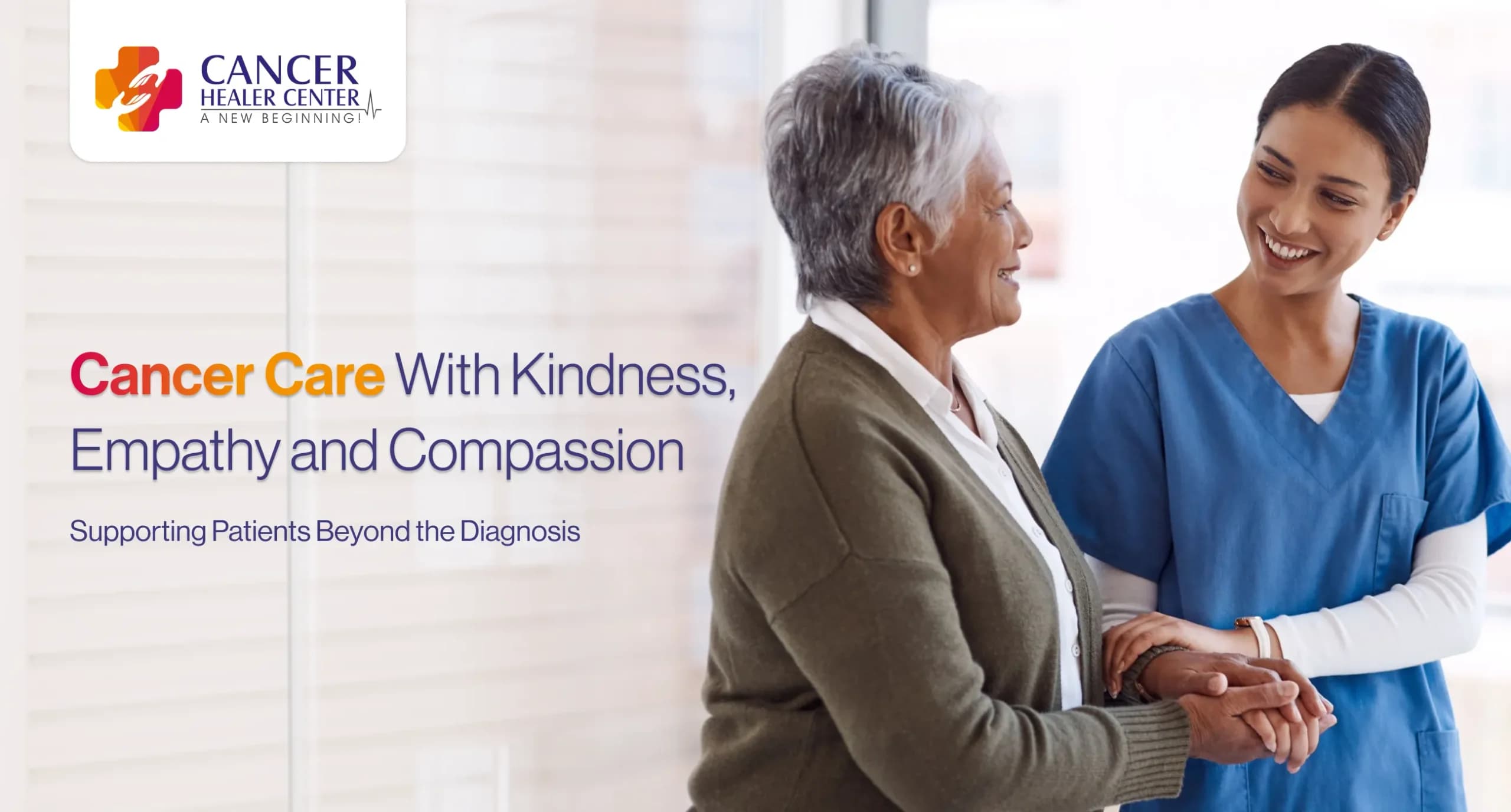
Kindness, empathy and compassion do not replace medical treatment. They shape how patients are heard, informed, supported and involved in their care. Compassionate cancer care recognises that every patient’s experience is different and that physical, emotional and practical needs deserve attention alongside treatment.
Looking for individualised support while navigating cancer care? Speak with the Cancer Healer Center team about your concerns and care needs.
What Does Compassionate Cancer Care Really Mean?
Compassionate cancer care is more than speaking kindly to a patient. It means understanding that the person sitting in the consultation room has individual concerns, responsibilities, preferences and priorities.
For one patient, the greatest worry may be the treatment itself. Another may be concerned about caring for children, continuing to work or travelling regularly for appointments. Someone else may be struggling emotionally or finding it difficult to talk about cancer with their family.
Compassionate care creates room for these concerns.
The National Cancer Institute (NCI) explains that cancer can bring many different emotions, including fear, anger, sadness, loneliness and uncertainty. People also cope with cancer in different ways.
For patients, compassionate care can mean being listened to without judgement, receiving information in understandable language, having questions answered and being involved in decisions about care.
Listening Is an Important Part of Cancer Care
Sometimes the first thing a patient needs is not another medical explanation. It is an opportunity to speak.
Patients may have questions they feel uncomfortable asking. They may be worried about symptoms, treatment, family responsibilities or how their life could change. They may also need information repeated or explained differently.
Good patient-clinician communication includes listening carefully, responding to concerns and helping patients understand the information relevant to their care. The American Society of Clinical Oncology (ASCO) recommends relationship-centred communication that supports trust, empathy, clear information and shared decision-making throughout cancer care.
Before an appointment, patients may find it useful to:
- write down their most important questions;
- make a list of medicines and treatments they are receiving;
- ask for unfamiliar medical terms to be explained;
- tell the care team about symptoms or concerns affecting everyday life;
- bring a trusted family member or caregiver, where appropriate; and
- ask what the next steps in their care are.
You should not feel that your concerns are “too small” to mention. Understanding what you are experiencing helps the healthcare team see a fuller picture of your needs.
Every Patient’s Cancer Journey Is Different
Compassionate care also means avoiding a one-size-fits-all approach.
Cancer is not one disease. Treatment decisions can depend on factors such as the cancer type and stage, particular biological characteristics of the tumour, previous treatment and the patient’s overall health.
Personal circumstances matter too.
Two people with similar diagnoses may have different symptoms, treatment experiences, emotional needs and priorities. An individualised approach therefore considers the person as well as their medical situation.
Understanding the Immune System Without Oversimplifying It
The immune system is sometimes described simply as being “strong” or “weak”. In reality, it is much more complex.
Your immune system is a coordinated network involving specialised cells, tissues and signalling molecules. One of its functions is recognising and responding to abnormal cells. Cancer cells, however, can develop mechanisms that make immune recognition or an effective immune response more difficult.
This is one reason immunity has become an important area of cancer research and treatment. Conventional cancer immunotherapies, for example, use medically established approaches to help the immune system recognise, target or respond to certain cancers. Their suitability depends on the specific cancer and the patient’s clinical circumstances.
Emotional Wellbeing Deserves Attention
Cancer affects more than physical health.
Some people feel anxious about tests or treatment. Others worry about cancer returning, their family or their ability to continue working. Feelings can also change throughout diagnosis, treatment and recovery.
There is no single “correct” emotional response to cancer.
Telling someone they simply need to “stay positive” can unintentionally make it harder for them to express fear, sadness or uncertainty. Compassion means allowing honest conversations while helping patients find appropriate support.
Depending on individual circumstances and available services, support might involve family members, friends, counsellors, psycho-oncology professionals, social workers, support groups or spiritual-care professionals.
If anxiety, persistent low mood or emotional distress is making everyday life or treatment difficult, tell your cancer-care team. They can help assess what support may be appropriate.
Urgent support: If you or another person is at immediate risk of self-harm or harming someone else, seek emergency medical assistance immediately rather than waiting for a routine cancer-care appointment.
Families and Caregivers Need Support Too
Cancer can affect an entire family.
Caregivers may accompany patients to appointments, organise medicines, arrange transportation, prepare meals and provide emotional support. Over time, these responsibilities can become physically and emotionally demanding.
The NCI advises caregivers to pay attention to their own health and wellbeing and to seek support when needed.
Support can also be practical. Rather than saying, “Tell me if you need anything,” family and friends can ask more specific questions such as:
“Would it help if I came with you to your appointment?”
or
“What would make this week a little easier for you?”
Importantly, helping should not mean taking away the patient’s independence. Ask what support the person actually wants.
Compassion Also Means Giving Patients a Voice
Patients should have opportunities to understand and participate in decisions about their care.
Shared decision-making involves healthcare professionals explaining appropriate options and their potential benefits, risks and uncertainties while listening to what matters to the patient.
You can ask your healthcare team questions such as:
- What is the purpose of this treatment?
- What options are appropriate for my situation?
- What benefits and risks should I understand?
- What side effects should I report?
- How will we know whether treatment is working?
- How does this treatment fit with the other care I am receiving?
- Who should I contact if I develop a problem between appointments?
When considering any complementary or supportive approach, tell your treating oncologist what you are using or considering. Do not stop, delay, reduce or change prescribed cancer treatment without discussing it with the treating clinician.
Supportive and Palliative Care Can Improve the Care Experience
Palliative care is often misunderstood as something that is relevant only at the end of life.
The World Health Organization describes palliative care as an approach intended to improve quality of life for patients and families facing life-threatening illness by addressing physical, psychosocial and spiritual concerns.
Depending on the patient’s needs, supportive or palliative care may help address concerns such as symptoms, emotional distress and other difficulties associated with serious illness.
Patients experiencing significant symptoms or difficulties coping can ask their oncology team whether supportive or palliative-care services are appropriate for them.
How Cancer Healer Center Personalises Supportive Care
At Cancer Healer Center, Cancer Healer Therapy (CAM) is an individualised, immune-focused supportive approach used alongside prescribed cancer treatment. It is tailored according to the patient’s diagnosis, treatment history, current health, supportive-care needs and ongoing cancer-care plan.
Cancer Healer Therapy is different from conventional cancer immunotherapy. It does not replace, delay or alter chemotherapy, targeted therapy, immunotherapy, radiation therapy or other prescribed cancer treatments.
Supportive or immune-focused care cannot guarantee cancer control, tumour reduction, remission, cure or improved survival.
Explore whether Cancer Healer Therapy (CAM) may provide individualised support alongside your prescribed cancer treatment.
Compassion Should Continue Beyond Treatment
Finishing cancer treatment can bring relief, but questions and concerns may continue. You may still have physical symptoms, emotional changes or worries about follow-up tests and cancer returning. Keep attending your follow-up appointments and discuss any ongoing concerns with your cancer-care team, as follow-up needs vary by cancer type and treatment.
A Kinder Approach to the Cancer Journey
Cancer care is not only about treatment. It is also about feeling heard, respected and supported. Compassionate care recognises the individual behind the diagnosis and gives attention to physical, emotional and practical needs throughout the cancer journey.
Looking for compassionate, individualised support during cancer care? Speak with the Cancer Healer Center team about your diagnosis, current health and care needs.
References
- National Cancer Institute. Adjustment to Cancer: Anxiety and Distress (PDQ®) – Patient Version.
- National Cancer Institute. Immunotherapy to Treat Cancer.
- National Cancer Institute. Informal Caregivers in Cancer.
- World Health Organization. Palliative Care.
- Gilligan T, Bohlke K, Alpert AB, et al. Patient-Clinician Communication: ASCO Guideline Update. Journal of Clinical Oncology. 2026;44(11):1040–1057. doi:10.1200/JCO-26-00118.
Frequently Asked Questions
Compassionate cancer care considers both your medical needs and your experience as a person. It includes respectful communication, clear information, emotional support and involving you in decisions about your care.
Cancer can bring fear, uncertainty and changes to everyday life. Empathy helps you feel heard and supported, making it easier to discuss concerns and understand your care.
Cancer Healer Therapy (CAM) is an individualised, immune-focused supportive approach used alongside prescribed cancer treatment.
They are different approaches. Conventional cancer immunotherapy includes medically established treatments that act on specific immune pathways. Cancer Healer Therapy is an individualised supportive-care approach.
Cancer Healer Therapy is intended to provide supportive care alongside prescribed cancer treatment. It does not replace, delay or alter that treatment.
Talk to your healthcare team if anxiety, low mood, distress or difficulty coping is affecting your daily life or treatment. If you or someone else is at immediate risk of self-harm or harm to others, seek emergency medical help immediately.