

A cancer diagnosis is often followed by an important question: What treatment will I need? The answer depends on more than the name of the cancer.
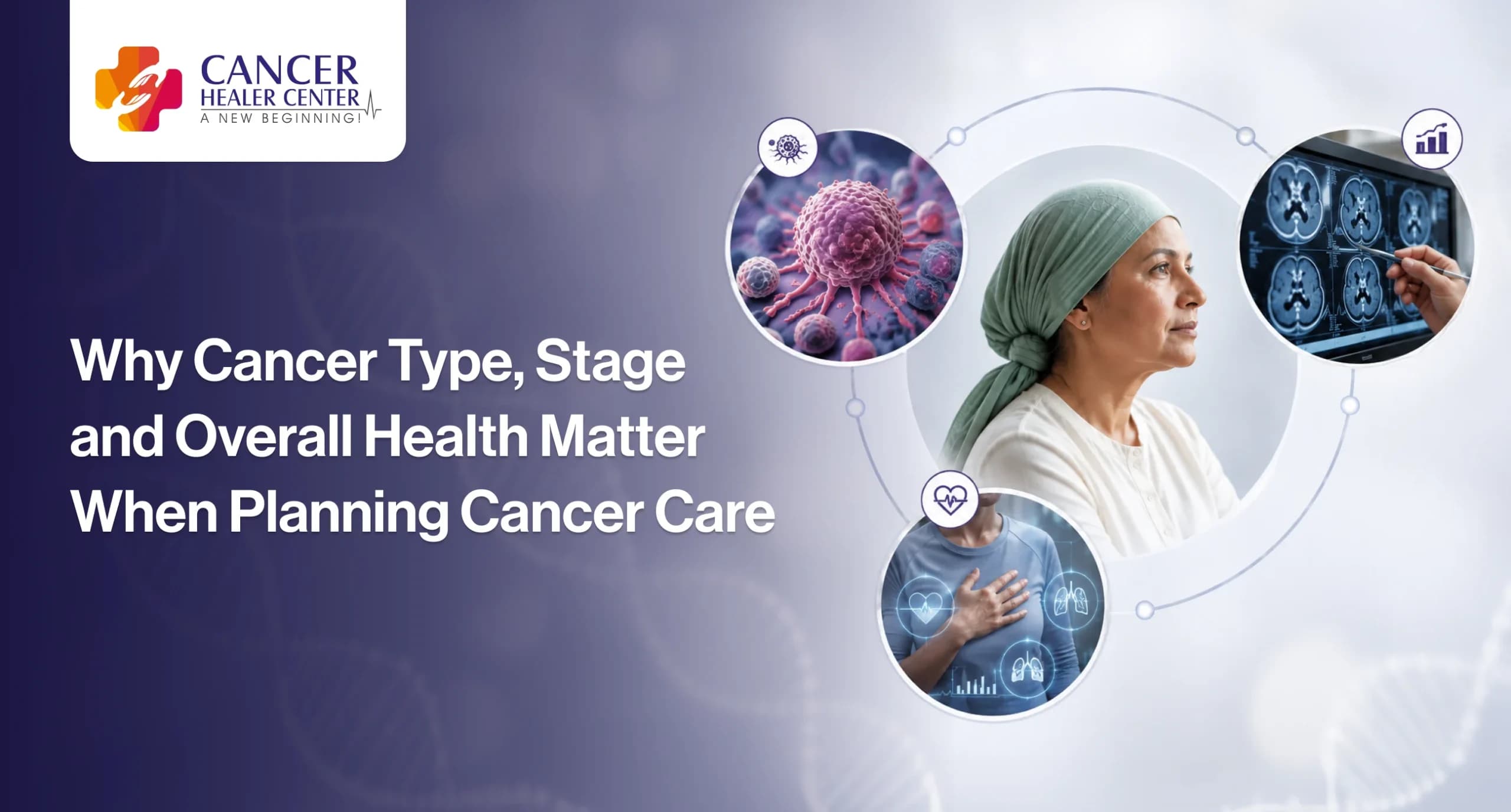
Doctors look at several factors before recommending a treatment plan. The type of cancer, how far it has progressed and your overall health are among the most important. The cancer’s subtype, biomarkers, previous treatments, current symptoms and your personal needs may also influence decisions.
At Cancer Healer Center, these individual differences are also considered when planning Cancer Healer Therapy (CAM). The approach takes into account the patient’s diagnosis, stage, treatment history, current health and ongoing cancer care, with a focus on the immune system.
Understanding these factors can make it easier to follow your treatment plan, discuss your options and ask relevant questions during consultations.
Why Does the Type of Cancer Matter?
The type of cancer helps doctors determine which treatments may be relevant. Breast cancer, lung cancer, prostate cancer, lymphoma and leukaemia, for example, have different biological features and require different treatment approaches.
Depending on the diagnosis, treatment may include surgery, chemotherapy, radiation therapy, targeted therapy, immunotherapy, hormone therapy or other cancer-specific treatments.
Doctors may also need to understand the subtype of the cancer. A subtype provides more specific information about the characteristics of cancer cells and can sometimes influence treatment decisions.
Biomarkers Can Provide Additional Information
For certain cancers, doctors may recommend biomarker testing. A biomarker is a gene, protein or other biological feature that can provide information about cancer.
Some biomarkers can help indicate whether a particular targeted therapy or another treatment may be relevant. Their importance varies according to the cancer, so biomarker testing is not necessary in the same way for every patient.
This is why an accurate diagnosis involves more than identifying where the cancer developed. Pathology findings and, where appropriate, biomarker results can provide a more detailed picture of the disease.
Why Does the Stage of Cancer Matter?
Cancer stage describes the extent of the disease. Depending on the cancer, doctors may consider the size or local extent of the tumour, involvement of nearby lymph nodes and whether cancer has spread to other parts of the body.
Cancer staging may involve imaging tests such as CT or MRI scans, pathology results, a physical examination, laboratory tests and other investigations.
This information helps doctors plan treatment and discuss what the diagnosis may mean for the patient.
Stage Can Influence the Treatment Approach
A cancer that is confined to its original location may be managed differently from cancer that has spread.
For some localised cancers, surgery or radiation therapy may be important treatment options. Other treatments may be recommended before or after these procedures, depending on the diagnosis.
When cancer has spread to distant areas, doctors may consider treatments that can act throughout the body.
Stage alone, however, does not decide the entire treatment plan. Doctors interpret it together with the cancer type, subtype, biomarkers and the patient’s health.
Not every cancer uses the same staging system. Many leukaemias, for example, are classified differently from cancers that form solid tumours.
Why Does Overall Health Matter?
Cancer treatment affects the body as well as the cancer. Doctors therefore consider a patient’s general health when deciding which treatments may be suitable and how they should be given.
Relevant factors can include:
- heart, kidney, liver and lung health
- diabetes and other long-term conditions
- current symptoms
- physical fitness and ability to carry out everyday activities
- previous cancer treatments
- medicines and supplements
- nutrition and general wellbeing
Having another health condition does not necessarily prevent someone from receiving cancer treatment. It may mean that the treatment plan or monitoring needs to be adapted.
For example, some treatments can affect the heart, kidneys, liver or lungs. If a patient already has a condition involving one of these organs, the healthcare team may need to assess the potential benefits and risks carefully. Additional tests, closer monitoring or input from another specialist may sometimes be required.
It is therefore important to give your healthcare team an accurate medical history and a complete list of medicines and supplements you take.
The Immune System and Cancer
The immune system is a network of specialised cells, tissues and signalling molecules that work together to protect the body. Part of this role involves identifying and responding to abnormal cells.
Cancer can interfere with this process. Some cancer cells develop ways to avoid immune recognition or interfere with the immune response.
For this reason, the relationship between cancer and immunity is complex. It is not simply a matter of having a “strong” or “weak” immune system.
Different immune cells perform different functions, and the immune response can vary according to the cancer and the individual.
Immunotherapy and Immune-Focused Care Are Not the Same
Cancer immunotherapy is a group of established medical treatments that help the immune system recognise and fight cancer. Different types of immunotherapy are used in specific clinical situations and are not suitable for every cancer or every patient.
An immune-focused supportive approach should not automatically be considered the same as conventional cancer immunotherapy.
At Cancer Healer Center, Cancer Healer Therapy (CAM) is an individualised, immune-focused complementary approach. The patient’s cancer type, stage, treatment history, current health and ongoing treatment plan are considered when planning care.
Cancer Healer Therapy (CAM) is considered as part of supportive care alongside the treatment plan recommended by the patient’s oncologist. It is not a substitute for prescribed surgery, chemotherapy, radiation therapy, targeted therapy, immunotherapy or other oncology treatment.
Patients should inform their oncology team about any complementary therapies, medicines, herbal products or supplements they are using or considering.
Why Individualised Cancer Care Matters
Two people with the same cancer diagnosis may not need identical care.
For example, one person may have cancer confined to its original site while another has disease that has spread. Even when the type and stage are similar, differences in biomarkers, previous treatment, other health conditions and current symptoms can influence the options available.
Personal priorities are also relevant. A patient’s daily activities, treatment goals, quality of life and concerns about possible side effects can form part of discussions with the healthcare team.
This is why treatment decisions should be based on an individual’s clinical situation rather than another patient’s experience.
The same principle applies when supportive care is considered. At Cancer Healer Center, Cancer Healer Therapy (CAM) is individualised according to relevant clinical information rather than presented as a single approach that applies identically to everyone.
Treatment Goals Can Differ
An important part of cancer care is understanding what the treatment is intended to achieve.
Depending on the diagnosis and clinical situation, treatment may aim to cure the cancer, reduce the risk of recurrence, control its growth, relieve symptoms or support quality of life.
Knowing the goal can help patients understand why a particular treatment has been recommended and what the healthcare team will monitor.
Treatment goals can also change over time. Doctors may reassess the plan according to the response to treatment, changes in the cancer, side effects and the patient’s health.
Patients should have an opportunity to discuss these decisions. Asking about expected benefits, possible risks, alternatives and the purpose of treatment can support shared decision-making.
Information to Share With Your Cancer Care Team
Your healthcare team needs an accurate picture of your health to plan care appropriately. Before a consultation, it can be useful to prepare information about:
- your current medicines and supplements
- previous cancer treatments or procedures
- other medical conditions
- allergies or previous treatment reactions
- current symptoms and recent changes in your health
- any supportive approaches you are currently using or considering
If you are considering Cancer Healer Therapy (CAM), your current cancer treatment and relevant medical history should also be discussed during the consultation.
Do not stop, delay, reduce or change prescribed cancer treatment without speaking to your treating clinician.
Questions to Ask During Your Consultation
Cancer consultations can involve a large amount of information. Preparing questions beforehand can help you understand what matters most for your situation.
You may want to ask:
- What type and subtype of cancer do I have?
- What is the stage, and what does it mean?
- Are biomarker tests relevant to my cancer?
- What are my treatment options?
- What is the goal of the recommended treatment?
- Why is this treatment suitable for my situation?
- What important benefits and risks should I know about?
- Could my other health conditions affect treatment?
- Could any medicines or supplements interact with my treatment?
- What supportive care may be considered during treatment?
- How will my response to treatment be assessed?
- When might the treatment plan need to change?
Take notes if that helps, or consider bringing a family member or caregiver to the appointment.
Looking at the Complete Picture
Effective cancer care begins with understanding the individual patient and the characteristics of their cancer.
Cancer type identifies the disease and helps determine relevant treatment approaches. The stage shows how extensive the cancer is. Subtypes and biomarkers can provide further information in certain cancers. Overall health helps the healthcare team assess treatment suitability, potential risks and the need for additional monitoring.
At Cancer Healer Center, this broader clinical picture informs the individualised approach to Cancer Healer Therapy (CAM), taking into account the patient’s diagnosis, treatment history, current health and ongoing cancer care.
If you are exploring Cancer Healer Therapy (CAM), a consultation can help you understand how the approach may fit into your individual care plan alongside oncologist-recommended cancer treatment.
Medical Disclaimer
This article provides general educational information and is not a substitute for individual medical advice, diagnosis or treatment. Cancer treatment decisions should be discussed with appropriately qualified healthcare professionals familiar with your medical history.
References
- National Cancer Institute. Types of Cancer Treatment. National Institutes of Health.
https://www.cancer.gov/about-cancer/treatment/types - National Cancer Institute. Cancer Staging. National Institutes of Health.
https://www.cancer.gov/about-cancer/diagnosis-staging/staging - National Cancer Institute. Biomarker Testing for Cancer Treatment. National Institutes of Health.
https://www.cancer.gov/about-cancer/treatment/types/biomarker-testing-cancer-treatment - National Cancer Institute. Immunotherapy to Treat Cancer. National Institutes of Health.
https://www.cancer.gov/about-cancer/treatment/types/immunotherapy - American Cancer Society. Understanding Your Options for Cancer Treatment.
https://www.cancer.org/cancer/making-treatment-decisions/making-decisions.html - American Cancer Society. How Overall Health Affects Cancer Treatment Options.
https://www.cancer.org/cancer/latest-news/how-overall-health-affects-cancer-treatment-options.html
Frequently Asked Questions
Cancer type helps doctors understand the characteristics of the disease and which treatments may be relevant. The stage describes how extensive the cancer is. Doctors consider both, along with factors such as subtype, biomarkers, overall health and previous treatments, when developing an individual treatment plan.
Yes. Even when two people have the same cancer type and stage, differences in biomarkers, overall health, previous treatments, current symptoms and individual treatment goals can affect the options recommended by their healthcare teams.
Doctors consider factors such as heart, kidney, liver and lung health, other medical conditions, physical fitness, current symptoms and medicines when assessing treatment options. These factors may influence treatment suitability, monitoring requirements or whether additional specialist input is needed.
No. The relevance of biomarker testing depends on the type and characteristics of the cancer. For certain cancers, biomarker results can provide additional information and may help doctors determine whether particular targeted therapies or other treatments are relevant.
Complementary approaches may be considered as supportive care, but they should not replace oncologist-recommended treatment. Patients considering Cancer Healer Therapy (CAM), supplements, herbal products or other complementary approaches should discuss them with their oncology team and should not stop, delay or change prescribed cancer treatment without consulting their treating clinician.